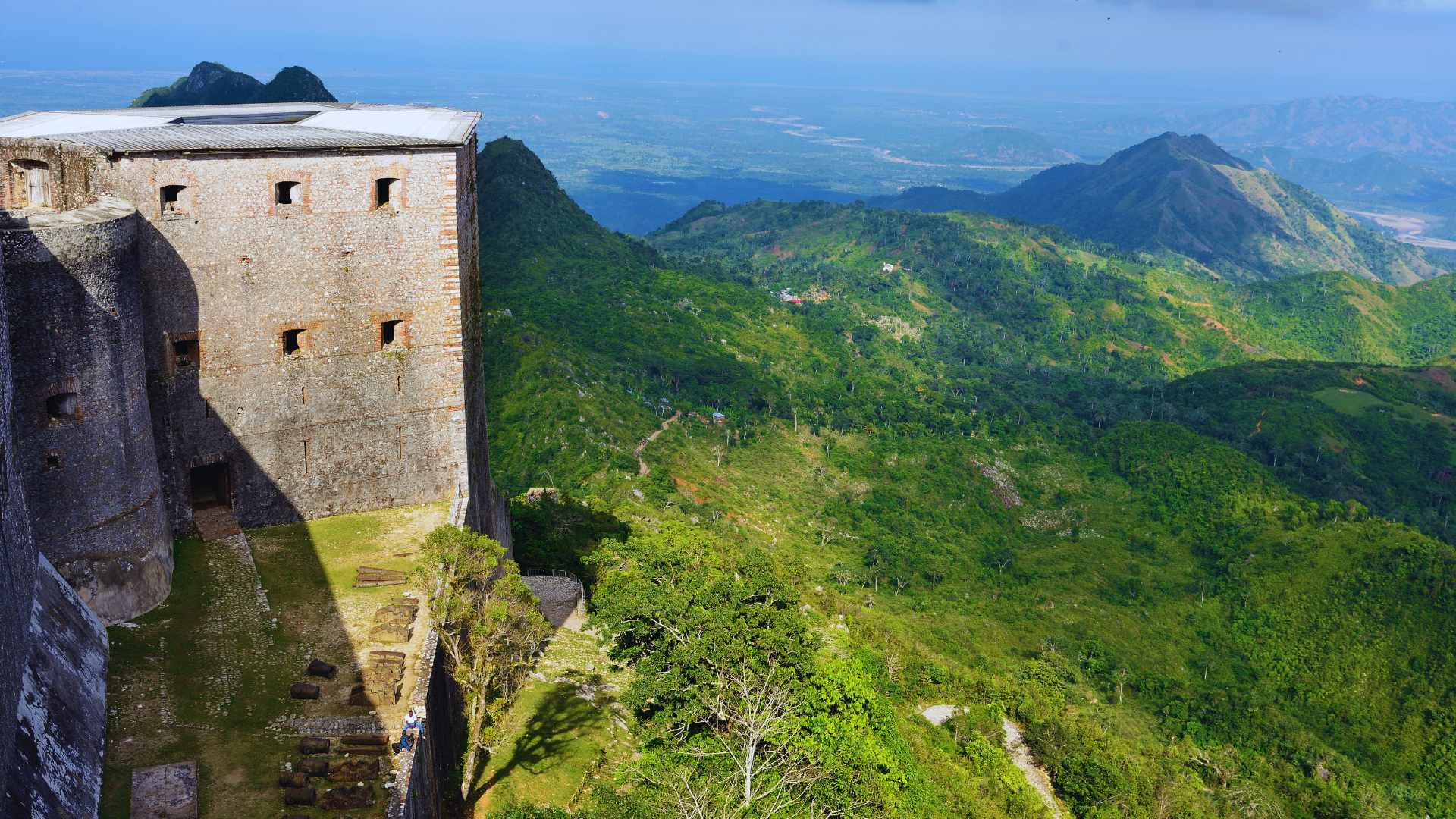
Forgotten ruins tell the stories of civilizations that once thrived, often revealing insights into human history, culture, and innovation. Exploring these remnants not only captivates adventurers but also enriches understanding of how societies developed over time. From the ancient temples of Angkor Wat to the abandoned cities of Pompeii and Machu Picchu, each site offers a unique glimpse into the past.
Travelers are drawn to these locations not just for their beauty, but for the mysteries they hold. Many of these ruins, cloaked in vines and weathered by time, provide opportunities for reflection on humanity’s achievements and failures. Each step through these ancient sites brings visitors closer to the lives of people long gone, igniting the imagination and fostering a deeper appreciation for cultural heritage.
As explorers venture into these forgotten places, they uncover more than just stones and structures. They often come across artifacts and stories that challenge preconceived notions about history and highlight the resilience of the human spirit. Journeys through these ruins serve as powerful reminders of the interconnectedness of civilizations across time and space.
The Allure of Forgotten Ruins: Why We Explore
The exploration of forgotten ruins draws individuals for various reasons, rooted in a deep interest in historical narratives, cultural heritage, and the mysteries of ancient civilizations. Each site tells a story, providing insight into societies long vanished from contemporary view.
Human Fascination with Lost Civilizations
Humans possess an innate curiosity about the past. Lost cities and ancient ruins evoke a sense of wonder about what life was like for civilizations that no longer exist. Places like Machu Picchu or Pompeii allow modern explorers to connect with historical figures and events.
The emotional pull is profound; these sites offer tangible connections to human stories. As visitors walk through crumbling structures, they imagine life within bustling communities, contemplating the achievements and failures of those who came before.
Legends and Myths Surrounding Ancient Sites
Every forgotten ruin is often cloaked in legends and myths, enhancing its allure. From tales of cursed treasures to stories of lost cities, these narratives ignite imagination and encourage exploration. Sites like Atlantis or the city of El Dorado have fueled centuries of fascination and speculation.
Such myths not only attract archaeologists but also adventurers and dreamers. They inspire quests for hidden truths and encourage people to seek answers to age-old questions about humanity’s origin and destiny.
The Role of Archaeology in Uncovering the Past
Archaeology plays a crucial role in revealing the histories of forgotten ruins. Through meticulous excavation and research, archaeologists uncover artifacts and structures that provide insight into ancient civilizations. This scientific approach transforms mere stones into stories.
Fieldwork often leads to significant discoveries that reshape understanding of historical timelines and cultures. For instance, recent excavations at sites like Petra have revealed complex trade routes and architectural innovations of the Nabateans. Such findings deepen appreciation for the ingenuity of ancient peoples and their enduring legacies.
Iconic Ancient Ruins Around the World
These renowned ancient sites offer captivating insights into the cultures and civilizations that built them. From the Andes to the deserts of Jordan, each has a unique story to tell.
Machu Picchu and the Mysteries of the Inca Empire
Machu Picchu, located high in the Andes Mountains of Peru, is a renowned symbol of the Inca Empire. This 15th-century citadel showcases sophisticated dry-stone construction that has withstood centuries of harsh weather.
Visitors often trek the Inca Trail, a path that winds through breathtaking landscapes, culminating at the iconic site. Machu Picchu’s intricate agricultural terraces and ceremonial structures reveal the Incas’ advanced knowledge of engineering and agriculture. The site remains an enduring mystery, with theories about its purpose ranging from a royal estate to a religious pilgrimage destination.
Petra: The Rose City of the Nabataean Kingdom
Petra, located in modern-day Jordan, is famously known as the “Rose City” due to the color of its rock-cut architecture. Established by the Nabataeans in the 4th century BC, it became a key trading hub thanks to its strategic position along trade routes.
The entrance to Petra is through the Siq, a narrow gorge that leads to the spectacular Al-Khazneh, or “The Treasury.” This architectural marvel features intricate facades carved into sheer rock faces. Petra’s advanced water conduit system demonstrates the ingenuity of its builders, allowing them to thrive in a harsh desert environment.
Angkor Wat and Khmer Architecture in Cambodia
Angkor Wat in Cambodia is the largest religious monument in the world, originally built as a Hindu temple in the early 12th century. The layout reflects classical Khmer architecture, characterized by its grandeur and intricate bas-reliefs.
Designed to represent an earthly model of the cosmos, Angkor Wat was eventually transformed into a Buddhist temple. The surrounding area also features Ta Prohm, famous for its intertwining trees and sprawling roots. This temple complex showcases the remarkable artistry and architectural genius of the Khmer civilization.
Stonehenge and Prehistoric Monuments of England
Stonehenge, situated on Salisbury Plain in England, is one of the most important prehistoric monuments in the world. Believed to have been constructed between 3000 and 2000 BC, its purpose remains a subject of debate among archaeologists.
The arrangement of massive stones suggests it may have served as an astronomical observatory or a ceremonial site. Stonehenge’s alignment with the solstices points to the importance of celestial events in ancient British society. The site is a key part of the collective understanding of prehistoric human life and its connection to the cosmos.
Lost Cities and Legendary Archaeological Sites
Lost cities and archaeological sites reveal the architectural brilliance and cultural legacies of ancient civilizations. The following locations represent significant achievements and chronicles of their respective cultures.
Chichen Itza and the Mayan Legacy in Mexico
Chichen Itza is a prominent archaeological site that exemplifies the sophistication of the Maya civilization. Located in the Yucatan Peninsula, it features El Castillo, a step pyramid integral to Mayan astronomy and religion. The structure has 91 steps on each side, totaling 365, corresponding to the days of the solar calendar.
The Great Ball Court, another highlight, showcases the ceremonial importance of ball games in Mayan society. Various inscriptions and carvings found throughout the site illustrate a rich history tied to rituals, trade, and astronomy. This UNESCO World Heritage Site attracts visitors worldwide, making it a vital aspect of Mexico’s cultural heritage.
The Pyramids of Giza: Marvels of Ancient Egypt
The Pyramids of Giza stand as enduring symbols of ancient Egypt’s architectural prowess. The most famous is the Great Pyramid, constructed around 2580-2560 BCE during the Fourth Dynasty. At approximately 481 feet tall, it was the tallest man-made structure for over 3,800 years.
Surrounded by the Sphinx, this complex serves as a burial site for pharaohs. The arrangement of the pyramids reflects celestial orientation, demonstrating the Egyptians’ advanced understanding of astronomy. As one of the Seven Wonders of the Ancient World, these pyramids continue to be a focal point for historians and tourists alike.
The Acropolis and Ancient Greek Civilization
The Acropolis of Athens is a symbol of Ancient Greek civilization and democracy. It hosts several significant structures, including the Parthenon, dedicated to the goddess Athena. This temple showcases exquisite Doric architectural design and was completed in 432 BCE.
The site represents the cultural and political hub of ancient Athens. Its strategic location provides a panoramic view of the city, emphasizing the significance of its defensive and religious functions. Today, the Acropolis serves as a reminder of the ancient Greeks’ contributions to art, philosophy, and governance.
Teotihuacan: City of the Gods in Mexico
Teotihuacan, located near present-day Mexico City, was one of the largest urban centers in the ancient world. The city’s layout features the Avenue of the Dead, lined with impressive structures. The Pyramid of the Sun and the Pyramid of the Moon dominate the skyline, illustrating the city’s architectural ambitions.
This ancient metropolis was a melting pot of various cultures, influencing surrounding regions. Despite its decline around the 7th century CE, Teotihuacan’s mysteries continue to fascinate researchers. As an UNESCO World Heritage Site, it embodies the ingenuity of its creators and their legacy in Mexican history.
Overlooked and Mysterious Ruins
Several forgotten ruins around the world hold stories waiting to be uncovered. These sites embody intricate histories and fascinating cultures that often go overlooked. They range from ancient temples to enigmatic geoglyphs, each offering a unique glimpse into the past.
Tikal and Mayan Wonders in Guatemala
Tikal stands as one of the most significant archaeological sites of the Mayan civilization, located in the rainforests of northern Guatemala. This vast city dates back to around 200-900 AD and features impressive temples, palaces, and plazas. Among its notable structures are Temple I and Temple II, which showcase remarkable architectural achievements.
In addition to their grandeur, Tikal’s structures held astronomical and religious significance. The site is also home to rich biodiversity, making it a UNESCO World Heritage site. Together, the ruins and surrounding nature illustrate the complex relationship between the Mayans and their environment.
The Forgotten Temples of Hampi and Vijayanagara Empire
Hampi, the capital of the Vijayanagara Empire in India, is known for its stunning temple complex. Established in the 14th century, it features a blend of Hindu and Islamic architectural styles. The Virupaksha Temple, with its towering gopuram, is a highlight among the ruins, attracting historians and travelers alike.
The site houses numerous other temples, markets, and royal structures, reflecting the empire’s wealth and cultural diversity. Hampi’s vibrant history and artistry make it a UNESCO World Heritage site, symbolizing ancient India’s spiritual and commercial importance. Wandering through Hampi allows visitors to connect with the remnants of a once-great civilization.
Underground Cities: Derinkuyu and Cappadocia
Derinkuyu is one of the most notable underground cities in Cappadocia, Turkey, revealing a fascinating aspect of ancient life. This subterranean structure extends up to 60 meters deep and could shelter thousands of people. It features ventilation shafts, living quarters, and even wineries, designed for protection during invasions.
The entire region of Cappadocia is characterized by its unique rock formations and cave dwellings. Its history of forced migrations and invasions led to the creation of these elaborate underground refuges. These cities reflect both ingenuity and resilience, showcasing how cultures adapted to their environments.
Enigmatic Geoglyphs: Nazca Lines in Peru
The Nazca Lines, located in the arid plains of southern Peru, represent a series of large geoglyphs created between 500 BC and 500 AD. These enormous figures, including animals and geometric shapes, can only be fully appreciated from the air. Their origins remain a subject of intrigue, with theories suggesting they had astronomical, religious, or agricultural significance.
These ancient designs demonstrate an impressive understanding of spatial geometry and planning. Despite their age, the Nazca Lines have survived, preserved by the arid climate. Their mysterious purpose continues to captivate archaeologists and visitors, highlighting the advanced capabilities of the Nazca culture.
Leave a Reply