Category: Travel

  • Tips for Maintaining a Balanced Lifestyle While Traveling: Essential Strategies for Health and Well-being

    Tips for Maintaining a Balanced Lifestyle While Traveling: Essential Strategies for Health and Well-being

    Traveling offers a chance to explore new places, meet interesting people, and create lasting memories. Amidst the excitement, maintaining a balanced lifestyle can be challenging. Practical tips for sustaining well-being while on the move can empower travelers to enjoy their journeys without sacrificing their health and routines.

    Prioritizing physical activity, even in small doses, helps keep energy levels high. Simple strategies such as taking walking tours or utilizing hotel gym facilities can make a significant difference. Staying mindful of nutrition by seeking out local, healthy foods fosters both physical and mental wellness.

    Mindfulness and stress management are equally important. Incorporating practices like meditation or journaling can help travelers stay grounded. By integrating these habits into their travels, they can ensure a fulfilling experience that aligns with their lifestyle goals.

    Prioritize Nutrition and Healthy Eating Habits

    Maintaining proper nutrition while traveling can significantly impact overall well-being. By focusing on nutritious food choices, portion control, and local cuisine, travelers can better support their health and energy levels.

    Choose Nutritious Options and Balanced Meals

    Travelers should prioritize nutritious options that include a variety of food groups. A balanced meal consists of lean protein, whole grains, and plenty of fruits and vegetables. For protein sources, consider options like grilled chicken, fish, or legumes. Whole grains such as brown rice, quinoa, or whole-wheat pasta provide sustained energy. Including colorful vegetables not only enhances flavor but also ensures essential vitamins and minerals.

    When dining out, look for meals that explicitly state healthy components. Different cultures often offer traditional dishes that are both flavorful and nutritious. Scanning menus for phrases like “grilled,” “baked,” or “steamed” can indicate healthier cooking methods. Avoid fried foods and rich sauces to maintain a balanced diet.

    Smart Snacking and Portable Snacks

    Smart snacking is crucial while traveling. Portable snacks make maintaining a healthy diet easier. Options include nuts, seeds, whole-grain bars, or pre-cut fruits and vegetables. These foods are not only easy to carry but also provide essential nutrients and energy on the go.

    To stay prepared, travelers can pack snacks in a small container or resealable bag. This way, they can bypass less healthy options found in convenience stores or airports. Choosing snacks that offer a mix of protein and fiber can help curb hunger and prevent overeating during meals.

    Explore Local Cuisine and Markets

    When traveling, embracing the local cuisine is an excellent way to discover nutritious foods. Many cultures utilize whole foods and fresh ingredients, promoting nutrient-dense options. Visiting local markets can yield an array of fruits, vegetables, and whole grains.

    Trying local dishes such as stews or salads can introduce healthy ingredients into the diet. Opt for meals that highlight seasonal produce, as they are often fresher and more flavorful. This not only supports health but also enhances the travel experience by connecting with the culture through food.

    Practice Portion Control and Mindful Eating

    Portion control is essential for maintaining a balanced diet while traveling. Mindful eating encourages awareness of hunger cues, allowing individuals to enjoy their meals without overeating. At restaurants, travelers can consider sharing dishes or ordering smaller portion sizes.

    Being mindful involves savoring each bite and focusing on the meal rather than distractions. Recognizing when to stop eating is critical, especially in unfamiliar settings where food might be abundant or enticing. Paying attention to satiety signals can help maintain a healthy balance, ensuring an enjoyable travel experience without sacrificing nutrition.

    Stay Hydrated and Energized Throughout Your Travels

    Maintaining hydration and energy levels is crucial for anyone traveling. Understanding how to manage fluid intake, food choices, and alcohol consumption can significantly impact travel experiences.

    Maintain Optimal Hydration

    Staying hydrated is essential for both physical performance and mental clarity. Travelers should aim to drink at least 8-10 glasses of water each day, adjusting for climate and activity level.

    Carrying a reusable water bottle makes it easier to track and encourage regular hydration. To enhance water intake, travelers can include:

    • Hydrating foods: Cucumbers, oranges, and watermelon.
    • Electrolyte-rich drinks: Coconut water or sports drinks on hot days.

    Recognizing signs of dehydration, such as fatigue or dizziness, helps travelers take immediate action.

    Manage Energy Levels and Address Food Cravings

    Travel can disrupt regular eating patterns, leading to erratic energy levels. It’s vital to consume a balanced diet throughout the journey.

    Travelers should prioritize:

    • Complex carbohydrates: Whole grains, fruits, and vegetables provide steady energy.
    • Protein sources: Lean meats, legumes, and nuts help sustain fullness.

    Packing healthy snacks like energy bars or mixed nuts will help combat sudden cravings and maintain energy. Frequent, smaller meals can combat fatigue while keeping hunger in check.

    Limit Alcohol Consumption and Listen to Your Body

    Excessive alcohol can lead to dehydration and fatigue. Travelers should limit alcohol intake to ensure they remain alert and enjoy their experiences.

    Opting for lighter beverages and alternating with water can mitigate the effects of alcohol.

    Listening to one’s body is equally important. When feeling tired or sluggish, taking a break or opting for non-alcoholic alternatives can help re-energize. Prioritizing self-care during travel ensures a more enjoyable and fulfilling experience.

    Maintain Physical Well-Being and an Active Routine

    To sustain physical well-being while traveling, it is essential to incorporate activity into daily plans and prioritize quality sleep. Managing fatigue and stress also plays a critical role in maintaining energy levels and overall health during trips.

    Incorporate Physical Activity into Your Itinerary

    Travelers should aim to engage in at least 30 minutes of physical activity each day. This can be achieved through various methods, such as walking tours, biking, or even participating in local fitness classes.

    When planning trips, she can include hiking in national parks, swimming at a hotel pool, or taking the stairs instead of elevators. Simple adjustments like these make it easier to stay active.

    Using fitness apps for guidance on workouts or local amenities is also helpful. Many destinations have opportunities for activities that blend enjoyment with exercise.

    Consistent Sleep Schedule and Quality Sleep

    Maintaining a consistent sleep schedule while traveling can be challenging, but it is critical for health. Travelers should try to go to bed and wake up at the same time each day.

    Creating a bedtime routine, even on the road, can enhance sleep quality. This includes limiting screen time before bed and ensuring a comfortable sleep environment.

    Using sleep masks and earplugs can help block disturbances in unfamiliar settings. Travelers may also consider adjusting their sleep patterns gradually before departure to mitigate jet lag and boost their overall well-being.

    Adapt to Travel Fatigue and Reduce Stress

    Travel fatigue is common, but addressing it proactively is vital. Ensuring regular breaks throughout the day can help maintain high energy levels.

    Incorporating stress-reducing practices into the travel routine is equally important. Techniques such as deep breathing exercises or short meditative sessions can provide relief during busy schedules.

    Prioritizing hydration and nutritious meals can prevent burnout and keep the body functioning optimally. Lastly, setting realistic expectations for each day helps manage stress and allows for enjoyable experiences.

    Travel Preparedness and Health Safety

    Traveling can expose individuals to various health risks. Being prepared with the right tools and knowledge ensures a smoother experience. Key aspects include having a first aid kit, maintaining hygiene, and practicing food safety while protecting yourself from the sun.

    Bring a First Aid Kit and Travel Insurance

    A well-stocked first aid kit is essential for any traveler. It should include items like adhesive bandages, antiseptic wipes, pain relievers, and any personal medications. Travelers should also consider including items that cater to specific environments, such as insect repellent or altitude sickness tablets.

    Travel insurance is critical for safeguarding against unexpected health issues or emergencies. It helps cover medical expenses that can arise during a trip. Travelers should choose a policy that includes coverage for pre-existing conditions, trip cancellations, and emergency evacuations. Reading the fine print is crucial to understand what is covered.

    Implement Good Hygiene Practices

    Maintaining good hygiene can prevent illness while traveling. Regular handwashing is one of the most effective practices. Travelers should wash their hands frequently, especially before meals and after using public transportation.

    Using hand sanitizer when soap and water are unavailable is advisable. This can significantly reduce the risk of infections. Additionally, travelers should avoid touching their faces to minimize the transfer of germs.

    Food Safety and Sun Protection Tips

    Food safety is paramount. Travelers should ensure that food is prepared and stored correctly to avoid foodborne illnesses. Eating at reputable restaurants and avoiding street food can reduce risks. Cooking food thoroughly and drinking bottled or purified water are also important.

    Protection from the sun cannot be overlooked. Applying sunscreen with a high SPF is critical, especially in tropical or sunny environments. It should be reapplied every two hours or after swimming. Wearing protective clothing, hats, and sunglasses can further reduce sun exposure and its harmful effects.
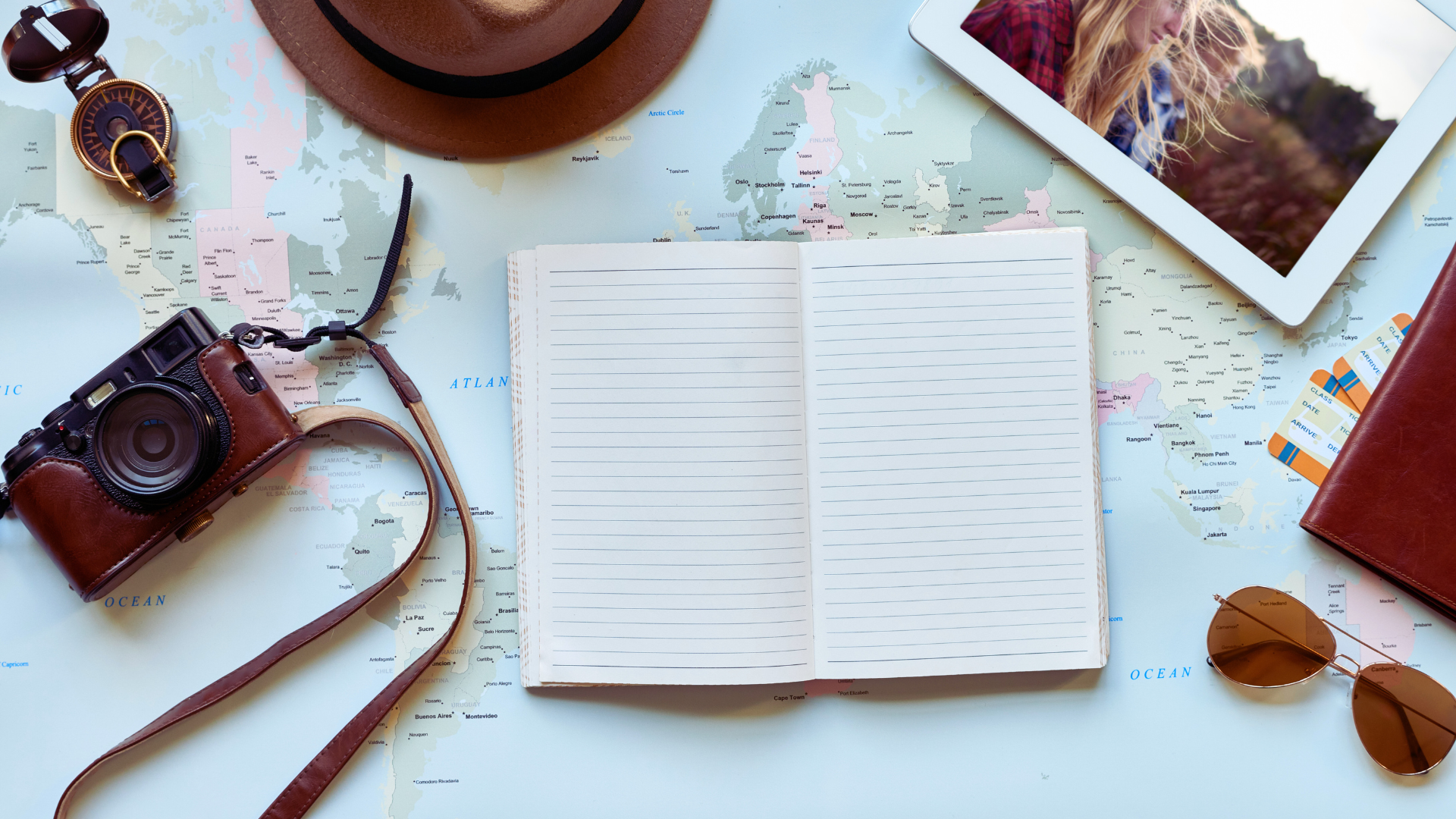

  • Travel Journaling for History Enthusiasts: Capturing Time and Place through Written Reflections

    Travel Journaling for History Enthusiasts: Capturing Time and Place through Written Reflections

    Travel journaling offers an enriching experience for history enthusiasts by allowing them to document their observations and reflections during visits to historical sites. This practice not only deepens their understanding of the context and significance of these locations but also helps preserve personal narratives that intertwine with larger historical narratives. Engaging with history becomes more personal and meaningful when one takes the time to record thoughts and feelings in real time.

    Through travel journaling, enthusiasts can capture the essence of historical landmarks, museums, and cultural experiences while connecting these moments to their broader historical interests. They are encouraged to explore not just what they see, but also the stories behind the places, thereby enhancing their connection to the past. This creative outlet fosters a unique dialogue between past and present, enriching the travel experience.

    Additionally, a well-kept travel journal can serve as a valuable resource for future reflections or for sharing experiences with others. It becomes a way to relive the journey, revisit thoughts, and inspire future travels. History enthusiasts who embrace travel journaling can find their experiences transformed into insightful narratives that blend personal exploration with a deeper appreciation of history.

    Why History Enthusiasts Should Keep a Travel Journal

    Travel journaling offers rich benefits for those passionate about history. By documenting their journeys, enthusiasts can capture memories, insights, and reflections that deepen their understanding of diverse cultures and historical contexts.

    Capturing Authentic Travel Memories

    A travel journal serves as a personal keepsake that captures the essence of each journey. It allows history enthusiasts to document specific places visited, events attended, and interactions experienced. This detailed recording provides a tangible connection to past travels.

    Including dates, locations, and historical contexts can enhance these memories. Handwritten notes can hold emotional significance, making the experience more vivid long after the journey ends. Photos, sketches, or clippings can complement written entries, enriching the narrative.

    Preserving Cultural Insights

    Travel journals can be invaluable for recording cultural insights encountered during travels. Descriptions of local architecture, customs, and traditions shed light on historical influences shaping a region.

    Observations about festivals, local cuisine, or everyday life offer perspectives that enhance knowledge. Enthusiasts can also note differences and similarities between their culture and others, leading to a broader understanding of human experiences.

    Such insights not only enrich personal knowledge but can also inspire others. Sharing these observations in future writings or discussions can promote engagement with history among peers.

    Deepening Personal Reflections

    Journaling encourages personal reflection on experiences related to history. As they write, enthusiasts may consider how historical events shape current society. This introspective process can foster a deeper connection to the places visited and the stories encountered.

    By examining their emotions and thoughts during travels, they can gain perspective on their understanding of history. Reflective prompts within the journal may lead to meaningful revelations about personal beliefs and interests.

    Through this process, individuals can create a richer narrative about their identity within the broader tapestry of historical exploration.

    Essential Elements of Travel Journaling for Historical Journeys

    Effective travel journaling enhances the experience of historical journeys by capturing key details and personal insights. Emphasizing daily activities, sensory experiences, and self-reflection adds depth to the travel narrative.

    Incorporating Observations of Daily Activities

    Recording daily activities brings structure to a travel journal. Each entry can begin with a brief outline of the day’s itinerary, noting specific sites visited.

    Travelers should pay attention to the interactions with locals, guided tours, or spontaneous adventures. Notable encounters may include conversations about historical events or the significance of specific locations. This creates a richer context for future reflections.

    Incorporating such observations provides clarity about how daily experiences shape the overall journey.

    Using Sensory Details to Enrich Storytelling

    Sensory details play a crucial role in storytelling, making experiences vivid. Descriptive language engages the reader’s senses, bringing historical sites to life.

    For instance, detailing the scent of ancient ruins or the sounds of a bustling market enriches the narrative. Consider using phrases like “The aroma of spices wafted through the air” or “The echoes of footsteps reverberated off the stone walls.”

    These elements help create a more immersive experience, enabling a deeper connection with the historical context.

    Self-Reflection and Personal Growth Through Journeys

    Self-reflection encourages travelers to evaluate their thoughts and feelings during their journeys. Journaling provides a space for individuals to explore their responses to historical sites and events.

    Questions such as “What did this site mean to me?” or “How has my understanding of history changed?” can prompt meaningful insights.

    This reflective practice allows individuals to document their personal growth, highlighting significant transformations resulting from their travels.

    Recording Day-to-Day Highlights and Travel Moments

    Recording day-to-day highlights serves to encapsulate the essence of the journey. Travelers can curate a list of top experiences, memorable interactions, or newfound knowledge acquired throughout the trip.

    Using bullet points for these highlights can provide a quick reference for later reflection. For instance:

    • Visiting an archaeological site and discovering hidden artifacts
    • Engaging with a guide who shared personal stories of the area
    • Attending a local festival that showcased historical traditions

    These moments not only summarize the journey but also enhance the overall travel narrative, encouraging continued exploration and learning.

    Types of Travel Journals and Creative Approaches

    Travel journaling offers various methods and styles that cater to enthusiasts with different preferences. From traditional diaries to modern digital solutions, each approach facilitates unique ways to document experiences. Below are several types of travel journals and creative techniques that can enhance the process.

    Traditional Travel Diaries and Scrapbooks

    Traditional travel diaries and scrapbooks provide a tactile way to document journeys. These journals often feature hand-written entries alongside photos, tickets, and other memorabilia. A popular choice is Moleskine notebooks, known for their durability and style.

    Travelers can create layouts inspired by their experiences, using decorative elements to personalize their scrapbooks. Incorporating maps, sketches, and captions can add depth to entries. This hands-on approach encourages self-expression and helps cultivate a deeper connection with places visited.

    Several travelers opt for a page-a-day format, recording daily thoughts and observations. This structure can help maintain organization and ensure no details are overlooked.

    Bullet Journaling and Creative Outlets

    Bullet journaling serves as an innovative approach to travel journaling. It combines elements of planning and creative expression. Travelers can customize their journals with themes, symbols, and layouts that reflect individual experiences.

    Key features of bullet journaling include daily logs, collections, and habit trackers. Each page can serve a specific purpose, such as listing travel goals, documenting itineraries, or reflecting on experiences.

    The flexible nature of bullet journaling allows users to adapt their journals to changing needs. They can incorporate doodles, color-coding, and varied typography, turning the process into a creative outlet rather than just documentation.

    Digital Journals and Cloud Storage Solutions

    Digital journals offer a modern twist on traditional travel notes. They enable users to document their journeys through typing, photos, and video. Various travel journal apps enhance this experience by providing templates and reminders.

    Cloud storage solutions ensure that entries are easily accessible and securely backed up. This safeguards memories against loss or damage and allows for seamless syncing across devices. Apps like Day One enable users to record entries, add tags, and even geotag photos for easy reference later.

    The search functions available in digital formats make it simple to locate specific memories or information. Such features are particularly beneficial for history enthusiasts who enjoy exploring past travels.

    Using Prompts and Apps for Organization

    Incorporating prompts can help overcome writer’s block while journaling. Various apps provide tailored travel journal prompts to spark creativity and encourage detailed documentation. These prompts can explore personal reflections, cultural observations, or historical context related to visited sites.

    Additionally, apps offer organization features such as category tagging, which simplifies sorting entries by themes or locations. This results in a more structured approach to journaling while still allowing for unique storytelling.

    Users can utilize checklists and goal-setting features within these apps to maintain focus on their travel objectives. This organized structure can enhance the journaling experience, making it easier to engage with the content later.

    Practical Tips for Successful Travel Journaling

    Effective travel journaling helps enhance the experience for history enthusiasts. By carefully recording thoughts, accommodations, and local experiences, travelers can create valuable keepsakes that enrich their understanding of different cultures and histories.

    Staying Consistent With Your Travel Notes

    Developing a routine for journaling is crucial. Setting aside dedicated time each day, perhaps in the morning or evening, allows for reflection on experiences.

    Travelers can use prompts to guide their writing. For example:

    • What did I learn today?
    • How did the historical context of this place affect my visit?
    • What emotions did I feel while exploring?

    Utilizing bullet points can help list key events or observations quickly.

    By prioritizing daily notes, they ensure their memories remain fresh, which aids in capturing details often forgotten later.

    Capturing Accommodations and Local Experiences

    When documenting accommodations, it’s essential to include details that might evoke nostalgia later. Travelers should note the name, location, and unique features. They might consider aspects such as:

    • Historical significance of the building
    • Architectural style
    • Personal interactions with staff

    Additionally, local experiences should be recorded with attention to cultural insights. This might involve:

    • Describing traditional meals enjoyed
    • Noting local customs observed
    • Documenting spontaneous conversations with residents

    Such descriptions provide context for the travel experience and can bolster engagement with the local history.

    Organizing and Safeguarding Your Keepsake

    Maintaining organization in a travel journal enhances its usability. Using a planner or binder can be effective. Travelers might categorize entries by location or theme.

    Additionally, safeguarding these keepsakes is essential. Here are some methods:

    • Digital backups: Scanning pages or taking photos prevents loss.
    • Loose materials: Use an envelope or pocket for tickets, postcards, and brochures.
    • Consistent format: Creating a uniform layout for entries aids in quick referencing.

    By implementing these strategies, travelers ensure their journals remain not only informative but also a secure representation of their journeys.

  • Why Try Local Cuisine: Discover the Rich Flavors and Traditions of Your Destination

    Why Try Local Cuisine: Discover the Rich Flavors and Traditions of Your Destination

    Traveling offers the chance to explore new cultures, and one of the most engaging ways to do this is through local cuisine. Trying local dishes allows a traveler to experience the authentic flavors and traditions of a region, providing a deeper connection to its culture. Each bite tells a story, reflecting the history, geography, and agricultural practices unique to that area.

    Local cuisine can also enhance one’s travel experience by introducing new ingredients and cooking techniques. Discovering these flavors often leads to memorable dining experiences that create lasting impressions, supporting local communities in the process. Engaging with local food opens doors to conversations and connections with residents, enriching the journey further.

    By choosing to explore local cuisine, travelers uncover the heart of a destination. The variety of dishes highlights the creativity and resourcefulness of local chefs who celebrate their heritage through food. This experience not only satisfies hunger but also nourishes a deeper appreciation for the places visited.

    The Fundamentals of Local Cuisine Exploration

    Exploring local cuisine involves several key aspects that enhance the experience.

    First, understanding the cultural significance of food in a region can provide context. Cuisine reflects local traditions, history, and the community’s identity.

    Key Elements to Consider:

    • Ingredients: Local dishes often feature ingredients that are native to the area. This highlights the region’s agricultural practices.
    • Preparation Methods: Different cultures utilize unique cooking techniques, which can affect flavor and presentation.
    • Flavor Profiles: Each region has its distinct combination of spices and textures, offering a variety of taste experiences.

    When trying local cuisine, actively engage with the locals. This can lead to recommendations for authentic dishes or hidden gems in the area.

    Tips for Effective Exploration:

    • Ask Locals: Inquire about popular dishes and where to find them.
    • Visit Markets: Experience local flavors by sampling fresh produce and street food.
    • Participate in Cooking Classes: Hands-on experience can deepen appreciation for the food.

    Documenting the experience can also enhance understanding. Keep notes on dishes tasted, ingredients used, and personal reflections.

    Engaging with local cuisine enriches travel experiences and fosters connections with cultures.

    Benefits of Trying Local Cuisine

    Exploring local cuisine offers numerous advantages. Engaging with regional dishes enriches cultural experiences, supports local economies, provides healthier food options, and promotes sustainable practices.

    Cultural Enrichment

    Local cuisine serves as a gateway to understanding the culture and traditions of a region. Each dish often reflects the history, agriculture, and customs of the area.

    By trying local food, individuals experience flavors and cooking techniques unique to that destination. Heritage recipes passed down through generations provide insights into community values and social practices.

    Moreover, interacting with local chefs can enhance this experience. They often share stories behind their creations that offer a deeper appreciation of the culinary arts.

    Supporting Local Economy

    Choosing local cuisine directly impacts the local economy. By dining at local restaurants and purchasing regional ingredients, visitors help sustain small businesses.

    This practice leads to job creation within the community, benefiting growers, chefs, and waitstaff. An increase in customer traffic can also encourage new restaurants and markets to thrive.

    Additionally, investing in local cuisine minimizes the financial leak associated with chain restaurants. Money spent locally tends to remain in the community, fostering economic growth and stability.

    Healthier Options

    Local cuisine frequently incorporates fresh, seasonal ingredients. This leads to meals that are not only more flavorful but also nutritionally abundant compared to processed foods.

    Eating locally allows individuals to consume meals made with fewer preservatives and artificial ingredients. Farmers’ markets and local eateries usually prioritize fresh produce, meats, and grains.

    Moreover, the traditional cooking methods used can enhance the nutritional profile. Many local dishes showcase simple, wholesome approaches that emphasize natural flavors, benefiting overall health.

    Sustainability

    Trying local cuisine promotes sustainability by reducing the carbon footprint associated with food transportation. Meals made from locally sourced ingredients require less travel, minimizing environmental impact.

    Supporting local farms and producers leads to more sustainable agricultural practices. Many local chefs collaborate directly with farmers, fostering organic and regenerative farming techniques.

    Additionally, seasonal eating encourages biodiversity. It helps maintain a variety of crops, contributing to healthier ecosystems within the region. This commitment to sustainability benefits both the local community and the environment.

    Discovering Authentic Flavors

    Exploring local cuisine often reveals the true essence of a culture. Traditional dishes often reflect the history, geography, and customs of a region.

    By tasting local foods, individuals gain insights into the community’s values and agricultural practices. Seasonal ingredients play a significant role in these cuisines, emphasizing freshness and sustainability.

    Benefits of Trying Local Cuisine:

    • Cultural Connection: Eating local dishes fosters a deeper understanding of the area’s heritage.
    • Unique Ingredients: Locals often use ingredients that are specific to their environment.
    • Support for Small Businesses: Dining at local establishments helps sustain the community.

    Travelers should seek out family-owned restaurants or street vendors. These places often offer dishes prepared with care and traditional techniques. When visiting culinary hubs like London, experiencing a classic Sunday roast Covent Garden (or elsewhere) can reveal regional cooking methods and sourcing standards. Some restaurants also feature rare-breed meats, giant Yorkshire puddings and crispy beef-fat potatoes, giving visitors an authentic taste of local tradition.

    Sampling food at local markets can also be a rewarding experience. Interactions with vendors can lead to stories that enrich the meal.

    Example Local Dishes:

    Region Dish Key Ingredients
    Italy Risotto Arborio rice, broth, cheese
    Mexico Tacos al Pastor Pork, pineapple, corn tortillas
    Thailand Pad Thai Rice noodles, shrimp, peanuts

    Through these experiences, individuals discover not just food, but a rich tapestry of cultural narratives woven through each meal.

    Culinary Diversity and Representation

    Local cuisine offers a rich tapestry of flavors influenced by various regions and cultures. It reflects the unique identity of a place through its specialties, ingredients, and cooking techniques.

    Regional Specialties

    Every region boasts distinct culinary traditions shaped by geography and history. For instance, southern cuisine in the United States features dishes like gumbo and fried chicken, demonstrating a blend of African, Native American, and European influences. In contrast, Mediterranean cuisine highlights the use of fresh vegetables, olive oil, and seafood, shaped by coastal geography.

    Regional specialties showcase not only flavor but also cultural heritage. They tell stories of migration and adaptation, offering patrons an authentic taste of the area. These dishes often utilize locally sourced ingredients, promoting sustainability and supporting local economies.

    Indigenous Ingredients

    Indigenous ingredients play a crucial role in local cuisine. The use of native plants and animals reflects a region’s natural resources and traditional practices. In Mexico, for example, ingredients like corn, beans, and squash are staples, deeply rooted in the culture and history.

    These ingredients contribute to biodiversity and ecosystems. By prioritizing indigenous products, local cuisines help preserve traditional farming practices and knowledge. Additionally, appreciating the distinct flavors of indigenous ingredients fosters a deeper connection to the land and culture, enriching the dining experience.

    Traditional Cooking Techniques

    Traditional cooking techniques are vital in preserving culinary heritage. Methods such as smoking, fermenting, and slow cooking enhance flavors and textures while reflecting cultural practices. In many cultures, these techniques are passed down through generations, embodying family histories and communal gatherings.

    For instance, wood-fired ovens are a hallmark of Italian cooking, imparting unique flavors to pizzas and breads. Similarly, steaming in Asian cuisines retains nutrients and showcases the natural taste of ingredients. Embracing these methods allows diners to appreciate not just the food but the craftsmanship and stories behind it.

    How to Approach Local Cuisine

    Exploring local cuisine involves more than just eating. A thoughtful approach includes investigating dishes, respecting cultural norms, and being open to new experiences.

    Research and Recommendations

    Before trying local cuisine, research is essential. Seek out websites and food blogs that focus on regional dishes. Reviews on platforms like Yelp or TripAdvisor can guide choices.

    Ask locals for recommendations, as they often know the best spots for authentic food. Joining food tours can also provide invaluable insights into lesser-known eateries and traditional dishes.

    Pay attention to seasonal offerings. Many local dishes rely on ingredients that are fresh at different times of the year. Knowing what to look for can enhance the dining experience significantly.

    Food Etiquette and Customs

    Cultural norms surrounding food vary greatly. Understanding these customs can enrich the dining experience. For example, some regions may have specific table manners or rituals related to eating.

    In many cultures, it is customary to wait for the host to start the meal before eating. This shows respect. Additionally, using the right utensils is crucial; some cultures prefer hands, while others may require chopsticks or forks.

    Being aware of local dining customs can prevent unintentional faux pas. For instance, in some countries, tipping is considered polite, while in others, it may be seen as rude.

    Adventurous Eating

    To truly experience local cuisine, one should embrace adventurous eating. This means stepping outside of your comfort zone to try dishes that may seem unfamiliar.

    Street food often provides an authentic taste of local flavors. Items like tacos in Mexico or satay in Indonesia can be both delicious and culturally significant.

    Be open to trying unconventional ingredients. For instance, insects are a delicacy in several countries, while specific plants may be featured prominently in local diets. Approaching these unfamiliar foods with curiosity and an open mind can lead to surprising and enjoyable culinary discoveries.

    Challenges in Local Cuisine Sampling

    Sampling local cuisine can present various challenges for travelers and food enthusiasts. Understanding these challenges can enhance the experience.

    • Cultural Barriers: Different cultures have unique dining customs. Eating with hands, specific table manners, or etiquette around sharing food may create discomfort for some.
    • Ingredient Availability: Certain ingredients may be hard to find or may not be available at all. This can lead to limited options for sampling authentic dishes.
    • Dietary Restrictions: Individuals with food allergies or dietary restrictions may struggle. Local cuisine might include ingredients that could trigger adverse reactions.
    • Language Barriers: Language differences can complicate ordering food. Misinterpretation of menu items can lead to unexpected selections.
    • Hygiene Concerns: Hygiene standards vary by location. Some places may not meet familiar health and safety expectations.
    • Price Variability: Costs can fluctuate dramatically between street vendors and upscale restaurants. Knowing where to find authentic yet affordable options is crucial.
    • Expectation vs. Reality: People may arrive with specific expectations, often based on media portrayals. The authentic experience might differ significantly from those preconceptions.

    Navigating these challenges requires awareness and adaptability. Embracing local cuisine often means stepping out of your comfort zone.

    Building Memories Through Food

    Food often serves as a bridge connecting people and experiences. Sharing meals can create lasting memories tied to specific places and cultures.

    When traveling, trying local cuisine can enhance the experience. Each dish carries stories of tradition and heritage.

    Key Aspects:

    • Cultural Connection: Engaging with local dishes fosters a deeper understanding of a culture’s values.
    • Shared Experiences: Dining with others encourages bonding and communication, building connections.
    • Sensory Memories: Tastes and aromas can trigger memories, transporting individuals back to special moments.

    Exploring local food allows individuals to appreciate culinary art. Each meal provides an opportunity to connect with history and community.

    Food experiences can range from informal street vendors to elegant dining. Each encounter leaves a unique imprint, marking a moment in time.

    Through food, travelers can share stories, laughter, and joy. These shared meals often become cherished memories that last long after the trip.

    Food Tourism’s Impact on Gastronomy

    Food tourism significantly influences local gastronomy. Travelers often seek authentic culinary experiences, leading to a rise in demand for traditional dishes.

    Local chefs and food producers benefit from this trend. Increased tourism can boost their visibility and revenue. They may also innovate by combining local ingredients with modern techniques.

    Regional cuisines often gain recognition through food tourism. Popularity may extend beyond borders, showcasing unique flavors on a global platform. This can lead to the preservation of culinary heritage.

    Key Impacts:

    • Economic Growth: More visitors mean higher spending in local restaurants and markets.
    • Cultural Exchange: Tourists engage with local traditions, fostering appreciation for diverse culinary practices.
    • Sustainability Focus: Increased demand encourages sustainable farming and local sourcing.

    Food tourism can also introduce challenges. Popular destinations may face pressure to commercialize or alter traditional recipes. Maintaining authenticity while meeting tourist expectations requires careful balance.

    In conclusion, food tourism serves as a catalyst in the evolution of gastronomy. It connects people through shared meals and cultural understanding while influencing local culinary landscapes.


  • Holiday Packing Essentials: Your Ultimate Guide for Stress-Free Travel

    Holiday Packing Essentials: Your Ultimate Guide for Stress-Free Travel

    Whether planning a tropical getaway or a winter retreat, packing effectively can make a significant difference in the overall travel experience. Knowing the holiday packing essentials can ensure a stress-free trip with everything needed right at hand. A well-organized packing list tailored to the destination can help travelers avoid last-minute scrambles and forgotten items.

    Travel tips play a crucial role in refining the packing process. Choosing versatile clothing, coordinating outfits, and selecting the right travel accessories can maximize luggage space and enhance comfort. Additionally, understanding the climate and activities planned helps in deciding what to bring, ensuring that essentials align with the trip’s purpose.

    Ultimately, thoughtful packing allows for smoother transitions between destinations and more enjoyable experiences. It can turn any travel adventure into a memorable journey, free from the hassle of unpreparedness.

    Pre-Travel Preparations

    Effective pre-travel preparations can significantly enhance the travel experience. Essential tasks include organizing travel documents and prioritizing health and safety considerations.

    Travel Documentation

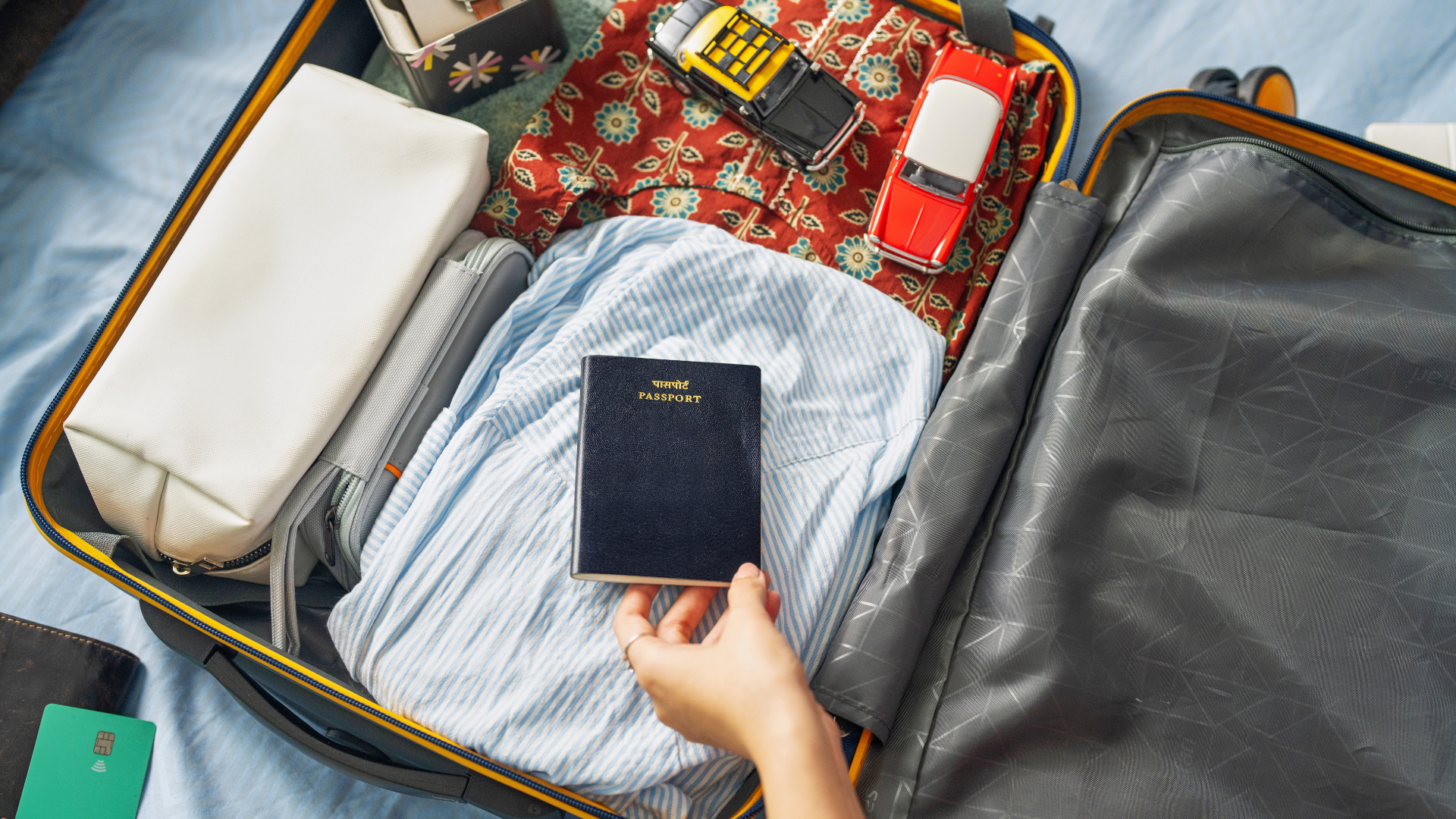
    Having the correct travel documentation is crucial. A valid passport is the foundation; it should have at least six months validity beyond the intended return date. Travelers must also consider visa requirements, which vary by destination. Some countries require a visa application before arrival, while others may allow visa-on-arrival options.

    Additionally, an itinerary detailing accommodation, transportation, and planned activities can facilitate smoother travel. It’s wise to also create a physical and digital backup of important documents. This should include:

    • Passport
    • Visa(s)
    • Itinerary
    • Travel Insurance Information

    Emergency contacts are another important aspect. Travelers should compile a list of contacts at their destination, including the local embassy or consulate.

    Health and Safety

    Health and safety preparations are paramount. Travelers should consult a healthcare provider to discuss necessary vaccinations based on their destination. For instance, some regions may require yellow fever or typhoid vaccinations.

    Travel insurance is another critical component. Policies should cover medical emergencies, trip cancellations, and lost belongings.

    Maintaining a list of emergency contacts is advisable. This list should include family members, local hospitals, and the nearest embassy. Carrying a basic first-aid kit can protect against minor injuries during travel.

    Prioritizing these preparations ensures a more secure and enjoyable trip.

    Luggage Selection

    Choosing the right luggage is essential for efficient packing and travel organization. One must consider both carry-on and checked baggage options to suit different travel needs.

    Carry-On Criteria

    When selecting a carry-on, size is critical. Most airlines permit a maximum dimension of 22 x 14 x 9 inches for hand luggage. It’s important to make sure your chosen suitcase, backpack, or duffle bag fits within these limits.

    Lightweight materials are beneficial for ease of transport. Look for options with multiple compartments or packing cubes for organization. Rolling luggage is often easier to maneuver, but backpacks offer versatility, especially in crowded spaces.

    Consider features such as expandable zippers, durable handles, and smooth-rolling wheels. A secure pocket for essentials like a passport or ID can streamline security checks. Prioritize functionality and comfort when making a selection.

    Checked Baggage Basics

    Checked luggage typically comes in larger sizes, ranging from 25 to 30 inches. Suitcases are common choices for checked bags due to their robust structure and space. Duffle bags can also serve as checked luggage but may lack the same durability.

    Weight limits are crucial, usually capped at 50 pounds. Investing in a weight scale can help avoid excess baggage fees. For the organization, consider using packing cubes to separate clothing and items.

    Look for rolling luggage with reinforced handles and wheels that can withstand rough handling. Lockable zippers add security, protecting belongings during transit. A distinctive design or color can make locating checked luggage simpler at baggage claim.

    Packing Essentials

    Effective packing is crucial for any holiday. It helps ensure comfort and convenience while traveling. Important categories include clothing, toiletries, and gadgets, each serving unique needs for a successful trip.

    Clothing and Footwear

    When selecting clothing for a holiday, versatility is key. A well-planned travel wardrobe allows for mixing and matching items. Essentials include:

    • Lightweight clothing: Fabrics like cotton or linen are breathable and easy to pack.
    • Swimsuit: Necessary for beach or pool destinations; choosing one that doubles as activewear can save space.
    • Comfortable shoes: Walking shoes or sandals should support long periods of wear.

    Additionally, it’s wise to include dress shoes for formal occasions. This balance between relaxation and style covers various situations during the trip.

    Toiletries and Health Items

    Personal care items are essential for maintaining comfort away from home. A compact toiletry bag should contain:

    • Basic toiletries: Include shampoo, conditioner, toothpaste, and body wash.
    • Sunscreen: Essential for skin protection; higher SPF is recommended for prolonged sun exposure.
    • Insect repellent: Necessary in areas with mosquitoes or ticks to prevent bites.

    Adding a first aid kit ensures preparedness for minor injuries, containing band-aids, antiseptic wipes, and any necessary prescription medication. It’s also beneficial to keep prescription medicine easily accessible and in original packaging.

    Gadgets and Electronics

    Though taking electronics can add weight, certain gadgets enhance the travel experience. Consider including:

    • Smartphone and charger: Essential for communication, navigation, and capturing moments.
    • Portable power bank: Ensures devices remain charged, particularly during long days of exploration.
    • E-reader or tablet: Perfect for entertainment without the bulk of physical books.

    Finally, a universal travel adapter is advisable for international trips, allowing seamless device connectivity regardless of location. Properly managing electronic items ensures smooth travel logistics.

    Travel Comfort and Convenience

    Travel comfort and convenience hinge on being well-prepared. Key items include financial security measures and on-the-go necessities that enhance the travel experience.

    Financial Security

    Having secure access to funds is crucial while traveling. It’s advisable to carry a mix of cash and credit cards. Many locations may not accept cards, especially in remote areas.

    Utilizing a travel wallet helps keep important documents organized. This wallet can store cash, cards, passports, and travel insurance information in one place, minimizing the risk of loss or theft.

    She should also consider using travel-focused credit cards that offer benefits like no foreign transaction fees. This not only provides peace of mind but also allows for easier tracking of expenses during the trip.

    On-the-Go Necessities

    Packing on-the-go necessities can turn a long journey into a more pleasant experience. A quality travel pillow is essential for comfort during flights or long bus rides, supporting great rest.

    In addition, carrying healthy snacks can prevent hunger and boost energy levels. Granola bars, nuts, or dried fruit are convenient options that store easily.

    Furthermore, a face mask may be necessary for personal comfort or health regulations in certain regions. Keeping these items easily accessible in a carry-on bag ensures they can be used whenever needed, enhancing travel convenience.


  • What To Do On Vacation With Kids

    What To Do On Vacation With Kids

    With all of the holiday celebrations happening, now is the perfect time to take some time off and relax. But what do you do when you have kids? In this article, we’ll provide some advice on what to do on vacation with your children – from fun attractions to family-friendly activities. So if you’re looking for ideas on how to spend your next break, be sure to check out our article!

    Vacation With Kids

    There are lots of things to do on vacation with kids, and depending on what your family likes to do, there is something for everyone. Whether you want to splash in the pool all day or explore a new city, here are some ideas for fun activities that can be done on vacation with kids.

    • Hiking: One great way to enjoy a vacation is by hiking up a mountain or taking a short walk in the woods. This can be an activity that both young and old will enjoy. If hiking isn’t your thing, there are also plenty of other outdoor activities available such as playing in the water at a beach or going on nature trails.
    • Swimming: When you’re looking to beat the heat, heading to the pool is an excellent choice. Swimming is enjoyable for people of all ages and can keep you entertained for hours. Whether you’re young or old, diving into the pool provides endless fun. If you’re seeking more excitement, you can find pools equipped with slides and wave pools. Alternatively, if relaxation is your goal, you can opt for pools with spas. However, if you’re hesitant about swimming in public spaces, consider building a pool in your backyard. This grants you the convenience of swimming at home. And with a minimal amount of maintenance responsibilities such as Pool leak detection, skimmer cleaning, and pool deck resurfacing, you can ensure the safety, functionality, and attractiveness of your private pool. Sounds like a fantastic idea, doesn’t it? Anyway, whether utilizing public pools or investing in a backyard pool, swimming emerges as a highly beneficial activity for both physical fitness and overall health. Therefore, you can consider taking up this activity during the holidays!
    • Tennis: Tennis is another great sport that can be enjoyed by both young and old. There are courts all around the world open to visitors, so no matter where you stay, you’re sure to find one nearby to play tennis. Plus, tennis is often considered one of the easier sports for beginners, so it’s perfect for children who are just starting out.
    • Bicycling: Bicycling can be an excellent way to get active while on vacation. Not only does it provide exercise, but it’s also a great activity to enjoy the outdoors.
    • Boating: Boating can be a fantastic family activity, especially if there’s a waterbody nearby. Before you set sail, ensure your boat is in good condition by inspecting and fixing any issues. For this, you can use essential supplies like Stainless Steel Lock Nut, wrenches, and pliers. Also, pack enough fuel, water, and safety gear. And don’t forget to peek at the weather forecast before setting sail!

    How To Negotiate Accommodations For Your Family

    When planning a vacation with your family, be sure to negotiate accommodations. Depending on the location of the hotel, you may be able to get a room that is specific for families with children. You can also try contacting the hotel directly and asking about special arrangements. If you’re traveling in a group, make sure to discuss which rooms will be reserved for each family member.

    Additionally, when you’re trying to figure out how to navigate a new location, it could make sense to hire a shuttle bus to make sightseeing easier. In this manner, you don’t have to worry about how you’re going to get to places on your trip.

    What To Pack

    • Pack a picnic lunch and blanket for the beach.
    • Pack your sunscreen, hats, sunglasses, and insect repellent.
    • Make sure to pack enough snacks and drinks for everyone.
    • Pack some games, books, and toys to keep the little ones entertained on your trip.
    • Pack a small bag of Emergency Essentials in case of an emergency.

    Where To Eat On Vacation

    Planning your vacation can be a lot of fun, but it can also be stressful if you’re looking to relax and have some fun while on your trip. Try out some of these tips for eating on vacation. If you’re visiting a city, consider finding a local spot to eat. This way, you get the best of both worlds – the fresh taste of the local food and the convenience of being in one place.

    If you’re planning to stay in a resort or hotel, make sure to find out about their restaurant options. Many resorts offer complimentary breakfast and dinner, so it’s easy to slip into your pajamas and head out for a meal without having to worry about packing anything special. And don’t forget about room service – sometimes there’s nothing like ordering something from your room to take the edge off after a long day at the beach!

    No matter where you plan to eat on vacation, make sure to pack plenty of sunscreen and hats – both are essential when enjoying outdoor dining. And if you do get caught in a rainstorm or need refuge from the heat, don’t forget your indoor options!

    If you’re planning a summer vacation, here are some tips to keep the whole family happy.

    1. Get creative: If you’re looking for ways to keep the kids entertained on vacation, think outside of the box. Try renting a boat or spending a day at an amusement park.
    2. Make sure there’s plenty of food and drink: If your kids are anything like mine, they’ll go through phases where they’re SUPER hungry and thirsty all the time. Make sure there’s enough food and water available so that everyone can stay hydrated and fed!
    3. Plan activities: When it comes to keeping the kiddos occupied on vacation, nothing beats good old-fashioned fun in the sun! Find out what’s popular in that area and plan your trip around those attractions (or vice versa!).
    4. Let them run wild: The last thing you want is for your kids to be glued to their phones all day long (trust me, I know). Give them some freedom and let them explore on their own for a bit – it’ll give you both a break!
  • Tips For Staying Safe When Traveling Alone

    Tips For Staying Safe When Traveling Alone

    If you’re like most people, when you think of traveling solo, images of long hikes and desert wanderings come to mind. But there’s more to traveling solo than just taking off on your own! In fact, with the right precautions in place, you can travel safely and enjoy yourself without any added stress. So whether you’re planning your first solo adventure or revisiting a destination you’ve already visited, read on for some tips on staying safe while traveling alone.

    What Are the Most Common Dangers for Solo Travelers?

    As a solo traveler, you are likely more aware of your surroundings and what to look for when traveling. However, there are still dangers that can occur when traveling alone. One of the most common dangers for solo travelers is getting lost or missing connections. If you are unable to find your way back to your original destination, it can be extremely difficult and dangerous to get help.

    Another danger for solo travelers is theft. Whether you are traveling in a city or rural area, it is important to take precautions against theft. Make sure to keep your belongings locked up and only bring what you need with you. In addition, make sure to watch out for people who seem suspicious or who have followed you in an odd manner. If something feels off, err on the side of caution and leave the area immediately.

    Finally, another danger for solo travelers is being stranded without transportation or supplies. If you find yourself stranded in an unfamiliar location, make contact with someone in the area who can help get you safely back home.

    Stay Safe While Traveling Solo

    Going out on your own and traveling can be an incredibly rewarding experience, but it’s important to be aware of the risks involved. Here are a few tips to help you stay safe while traveling solo:

    1. Stick to well-known tourist destinations. If you’re sticking to well-known tourist destinations, you’re less likely to run into any trouble. Additionally, you can plan your itinerary, pack essentials, and book in advance a cheap hotel San Francisco or some other location to ensure that you are secured. Further, by staying in an affordable and a clean room, you might be assured of your mental peace, that lessens your stress.
    2. Use a travel buddy. Traveling solo can be exhilarating, but it’s also important to have someone else there in case something goes wrong. A travel buddy can help keep you safe and secure during your trip, as well as provide moral support when needed.
    3. Know the local customs and laws. It’s important to know the local customs and laws before traveling solo so that you don’t get into any trouble inadvertently. Make sure you know what’s allowed and what isn’t in each destination you visit, and always abide by local rules!
    4. Keep an eye on your belongings. It’s important to keep an eye on your belongings when traveling alone, especially if you’re going somewhere unfamiliar or sketchy. Make sure all of your items are locked up securely in a luggage container or backpack whenever possible and don’t leave anything unattended outside of your hotel room or hostel room.
    5. Be aware of your surroundings at all times. Always be aware of your surroundings when walking around town or exploring new areas – whether it’s keeping an eye out for potential danger or staying away from shady characters.
    6. Use a travel insurance policy. If you’re traveling solo, it’s always a good idea to have travel insurance in case something goes wrong. This can cover things like lost luggage, medical expenses, and more – making your trip much less stressful and easier to manage.

    How to Prepare for Traveling Alone

    If you’re like most people, you’re probably eager to hit the road and explore new destinations on your own. But before you go, make sure you’re prepared for the risks involved in traveling alone. Here are a few tips:

    • Research the area you’ll be visiting. Familiarize yourself with the local culture and safety precautions that should be taken when traveling there. If you’re traveling in retirement, for example, checking out a travel guide on visiting Galapagos for seniors, or other relevant destinations, can provide valuable tips on accessibility, comfort, and age-appropriate activities. This will help you avoid any potential pitfalls, like getting lost or stranded.
    • Make sure your passport is up-to-date and valid. Always carry a copy of your passport with you in case of emergencies.
    • Stay safe online as well as offline. Use common sense when using social media and online forums while traveling. Don’t give away personal information or post pictures that could identify you if something happens to your device while you’re out of town. And always use a strong password and keep your devices locked when not in use.
    • Furthermore, when you’re out exploring a new city or embarking on an adventure, it is vital to ensure that your phone doesn’t run out of battery. Being unable to make calls in an emergency situation could be risky. This is why carrying a portable charger, such as the Venus Portable Universal Charger is a good practice. Because having a reliable power source could help you stay connected and safe while navigating unfamiliar surroundings.
    • Ultimately, the experience of traveling can be thrilling and exhilarating, but it’s vital to keep in mind that it can also be dangerous. There are a few things you can do to make sure you stay safe when traveling alone, and we hope these tips have helped you prepare for your trip in the best way possible.
    • If you ever feel like something is wrong or if you think someone might be following you, don’t hesitate to reach out for help. Traveling solo is always a riskier proposition, but with the right preparation and cautionary tales like this one, hopefully, it will be one that comes with fewer headaches than anticipated.

    Further ideas

    Solo travel can sometimes induce anxiety and stress. Therefore, you can explore options such as private tours, which can allow you to book a guide to help you on the way, without feeling alone. Similarly, you can choose to join group trips for individuals from different backgrounds. As a reference, you can search for phrases like “solo travel tours asia” to find happening trips to Asian countries. By doing so, you can socialise with new people, without the need to feel invaded.

    Conclusion

    In essence, it is recommended that you are aware of the dangers that you may face during solo travel and take adequate precautions to avoid them. Additionally, you should make sure that you pack everything in advance to avoid any last minute rush. Finally, you can search for options like traveling with new people who may have similar interests like you, so as to feel safe.

  • 6 Life-Changing Benefits of Traveling

    6 Life-Changing Benefits of Traveling

    Traveling has been called “the greatest teacher” for good reason; it can open your eyes to new cultures, broaden your perspective, and change the way you think about the world around you. In this blog post, we’ll explore the powerful benefits of traveling and how you can use them to make your life richer and fuller. From discovering new perspectives to gaining a deeper appreciation for different cultures, read on to find out how traveling can help you grow.

    Mental Health Benefits of Traveling

    There are countless benefits to traveling, including mental health benefits. Traveling can help reduce stress and anxiety, improve your mood, and boost your overall sense of well-being.

    Stress and anxiety are common problems that can have a negative impact on your mental health. But, did you know that travel can actually help reduce stress and anxiety? According to a study, taking a vacation can lead to a decrease in stress and anxiety levels. The study found that participants who took a trip reported lower levels of stress and anxiety than those who didn’t travel.

    Interestingly, the relaxation benefits of travel can be enhanced by incorporating wellness activities into your trip. For instance, if you’re visiting Texas, you might consider booking a swedish massage in Addison, TX as this can help in relieving any and all stress that you might have. You can also find similar such services if you are planning to travel elsewhere. Furthermore, immersing yourself in nature through activities like hiking or beach walks can further reduce stress and improve overall well-being. This combination of travel and physical relaxation can significantly amplify the stress-reducing effects of your vacation.

    In addition to reducing stress and anxiety, travel can also improve your mood. In a study, people who took a vacation reported feeling happier and more satisfied with their lives than those who didn’t travel. So, if you are looking for a way to boost your mood, consider planning a trip.

    For example, you can explore different Holidays from Cork Airport in Ireland, such as visiting picturesque coastal towns, immersing yourself in the rich history and culture of nearby cities, or embarking on outdoor adventures amidst stunning natural landscapes. Similarly, you can embark on culinary journeys, sampling delicious local cuisine and experiencing the flavors of different regions.

    So, by thoughtfully planning your travels to include both exploration and relaxation, you can create a truly rejuvenating experience that benefits your mental health long after you return home.

    Physical Health Benefits of Traveling

    When you travel, your physical health benefits in a number of ways. First, you are often more active than you are at home. You might walk more, engage in activities you don’t normally do, such as booking Papagayo fishing charters for sportsfishing or exploring new terrain through hiking or cycling tours. This increased activity level can lead to improved cardiovascular health, increased muscle strength, and better overall fitness. Additionally, traveling can help reduce stress levels and improve sleep quality, especially if you happen to be considering opting for a Burnout Retreat. By restoring your energy and rejuvenating your mind, You can manage your stress levels and sleep quality, both of which are crucial for maintaining good physical health. Finally, exposure to new environments and experiences can boost your immune system and protect against illness.

    Relationship Benefits of Traveling

    When you travel, you open yourself up to new experiences and people. This can lead to all sorts of personal growth and enrichment, as well as some fantastic relationships. Here are just a few of the relationship benefits that come from traveling:

    • You learn about different cultures and how to relate to people from all walks of life.
    • You get out of your comfort zone and learn more about yourself in the process.
    • You have opportunities to meet new people and form bonds with them that can last a lifetime.
    • Traveling can help you reignite the spark in your relationship if it has been lacking lately.
    • Spending time together in new surroundings can help you grow closer as a couple.
    • Seeing new places and doing new things together can create shared memories that will make your relationship stronger.

    Financial Benefits of Traveling

    There are many financial benefits of traveling. For one, travel can help you save money on your transportation costs. If you’re able to take advantage of cheap airfare or other discounted travel options, you can save a lot of money on your overall travel expenses. Additionally, travel can also help you earn rewards points and loyalty discounts that can be used towards future travel bookings. Finally, spending time in new places can also help you learn about different cultures and how to bargain for better prices on souvenirs and other items.

    Cultural and Educational Benefits of Traveling

    Broadening your horizons through travel can have significant benefits, both personal and professional. Encountering new cultures provides an opportunity to learn about customs, traditions, and history that you may be otherwise unaware of. This type of first-hand education can also help to challenge your own preconceptions and broaden your perspective. Additionally, many believe that travel can also be a powerful tool for building empathy and understanding for people from different walks of life.

    In terms of professional development, traveling can also offer unique insights that can be beneficial in your career. Many jobs today are global in nature, and having experience working or living in different cultures can give you a competitive edge. Additionally, if you work in a field that requires creative problem-solving, exposure to new cultures can give you a fresh perspective that can be invaluable.

    Self-Development and Career Benefits of Traveling

    Self-development and career benefits are some of the most rewarding aspects of traveling. By pushing yourself out of your comfort zone and embracing new experiences, you can learn more about who you are and what you want in life. Travel can also help you develop new skills and knowledge that can be valuable in your career. Whether you’re taking a gap year to travel before starting your career or looking for ways to advance your career, traveling can offer many opportunities for personal and professional growth.

    We hope that our article on the life-changing benefits of traveling has encouraged you to take a leap and explore the world. Remember, it doesn’t have to be an expensive or extravagant trip. It can be just something that will help open your eyes, expand your horizons, and make you feel like anything is possible. So go ahead, book those tickets, and start planning your next adventure!

  • 8 Exciting Vacation Ideas To Make Your Summer Unforgettable

    8 Exciting Vacation Ideas To Make Your Summer Unforgettable

    Are you ready to plan the most incredible summer getaway? There are so many exciting possibilities out there, and here in this blog post we’ll be going over 8 of the best vacation ideas to make your summer unforgettable. From exploring exotic destinations to discovering hidden gems right in your own backyard, we’ve got you covered! So read on to start planning the trip of a lifetime!

    Beach Getaways

    If you’re looking for a fun and relaxing vacation this summer, why not head to the beach? There are plenty of great beach destinations around the world that offer something for everyone. Whether you’re looking for a quiet spot to relax or a lively place to party, there’s sure to be a beach that’s perfect for you.

    To help you plan your perfect beach getaway, we’ve put together a list of some of our favorite destinations. Top picks include Hawaii, Florida, California, Mexico, and Greece.

    Exploring the Outdoors

    Summer is the perfect time to get outside and explore. There are so many fun activities to do and places to see. Here are some ideas to help you make the most of your summer vacation:

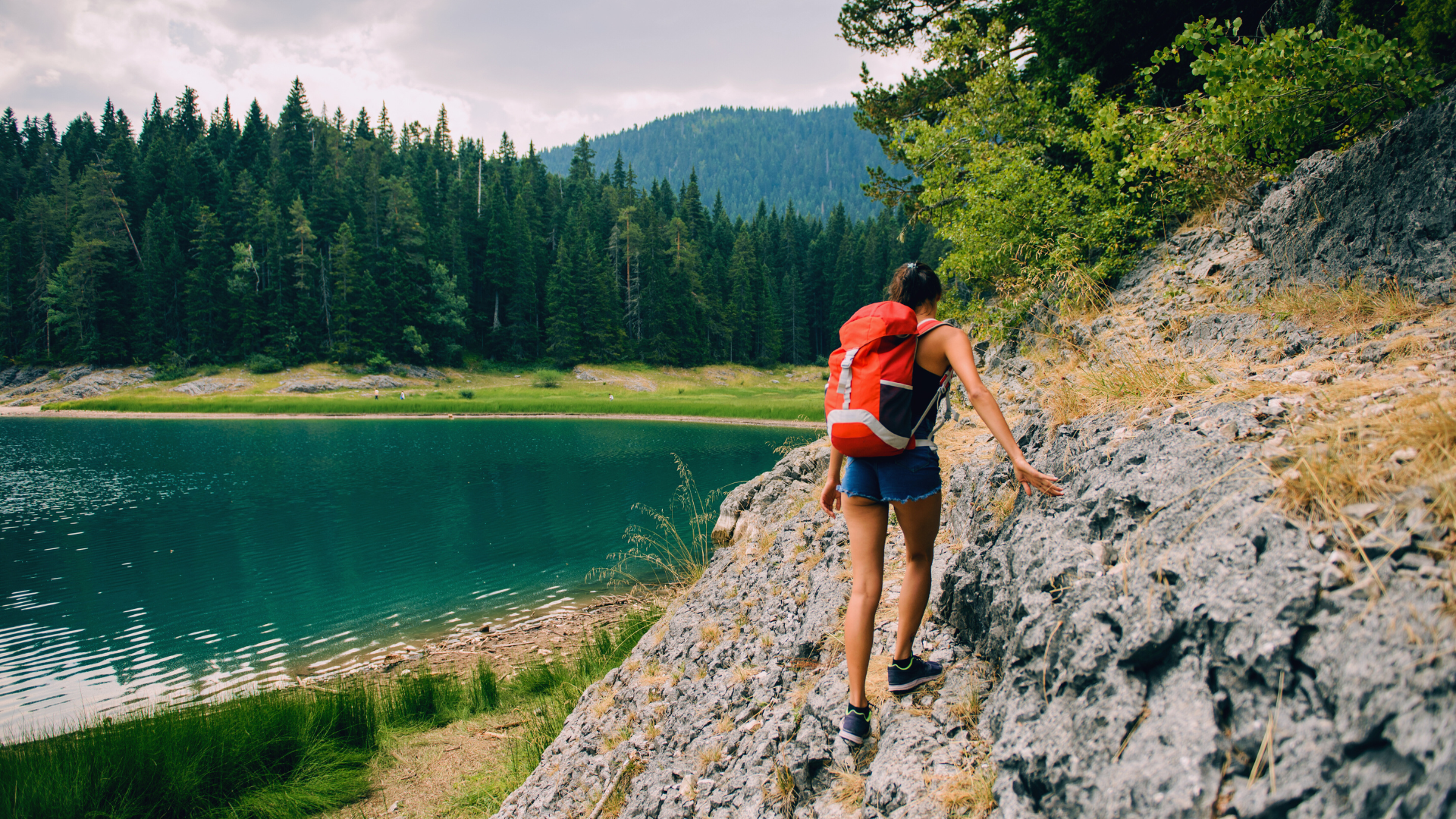
    • Take a hike: There’s nothing like getting out in nature and taking a peaceful hike. It’s a great way to clear your head and get some exercise.
    • Go hunting: If you like hunting, summertime can be perfect for it. You get to spot various small animals out in the forest looking for water and food. All you might have to do is grab the UK air guns, pick a spot for your hunting adventure, and get ready to have some fun outdoors.
    • Visit a national park: There are plenty of stunning national parks across the country that are worth exploring. Pack a picnic lunch and enjoy the scenery.
    • Go camping: Camping is a great way to connect with nature and spend time with family or friends. roast marshmallows over the campfire and sleep under the stars.

    Cultural Excursions

    If you’re looking to add a little culture to your trip, consider one of these cultural excursions.

    • Visit ancient ruins. There’s nothing like seeing history in person. Walk through the ruins of Pompeii or explore the ancient Mayan temples at Chichen Itza.
    • Take a cooking class. Learn how to make traditional dishes from different cultures. Then, enjoy your delicious creation!
    • Attend a music or dance festival. Experience the sights and sounds of different cultures at festivals around the world. From the blues in Memphis to flamenco in Spain, there’s sure to be a festival that interests you.

    Road Trips Across the Country

    Take a road trip across the country this summer for an unforgettable vacation. Visit different states, cities, and landmarks as you travel from coast to coast. This is a great way to see more of the United States and bond with your travel companions. Make sure to plan your route in advance and pack everything you need for a comfortable journey.

    Adventures Abroad

    No matter where you are headed, whether it is a bustling city or a tranquil retreat, you might be seeking an adrenaline-pumping adventure or a laid-back escape. Luckily, there is a wealth of amazing adventurous spots waiting to be explored, each offering its own unique experiences. And when it comes to discovering what thrilling activities a destination has to offer, you can always count on a tour operator specializing in explorer holidays to guide you through the options. Here are just a few ideas to get you started:

    • Hike the Inca Trail to Machu Picchu in Peru.
    • Go white water rafting in the Rockies of Colorado.
    • Explore the ancient ruins of Pompeii in Italy.
    • Take a hot air balloon ride over the stunning landscapes of Cappadocia, Turkey.
    • Go on a safari in South Africa’s Kruger National Park.

    Summer Festivals & Events

    No matter what you’re into, there’s bound to be a summer festival or event that suits your taste perfectly. Whether you’re into music and food festivals, art shows, or street fairs, there’s something out there for everyone to enjoy. And if you’re looking for a truly unique experience, why not consider something like a Puerto Vallarta Tequila Tour (assuming that’s where you are vacationing) or a beer tour, depending on your preference? Imagine spending a sunny day at a distillery, sipping on delicious tequilas or beers – now that’s an adventure worth savoring!

    Urban Escapes

    There’s no need to spend your summer vacation cooped up in a stuffy city when there are so many incredible urban escapes to choose from. From the world-famous streets of New York City to the charming cobblestone alleyways of Boston, there’s something for everyone in America’s cities. And if you’re looking for an international adventure, don’t worry! Europe’s bustling metropolises are just a short plane ride away.

    No matter where you go, you’ll find endless opportunities for fun and exploration. Spend your days taking in the sights, indulging in local cuisine, and shopping till you drop. Treat yourself to a luxurious stay, complete with amenities like a spa and mouthwatering restaurant offerings, just like what you can find at Twin Peaks Lodge Ouray (assuming that’s where you are traveling). Then, when night falls, enjoy the vibrant nightlife that the city is famous for. With so much to see and do, you’re guaranteed to have an unforgettable summer vacation.

    Glamping Experiences

    Glamping, or glamorous camping, is a unique vacation experience that combines the best of both worlds: the luxury and amenities of a hotel with the natural beauty and adventure of camping. There are many different types of glamping experiences to choose from, so there is sure to be one that is perfect for you. Here are just a few ideas to get you started:

    • Luxury Tent Camping: If you love camping but don’t want to sacrifice your comfort, luxury tent camping may be for you. There are many companies that offer luxury tents complete with furniture, bedding, and even electricity.
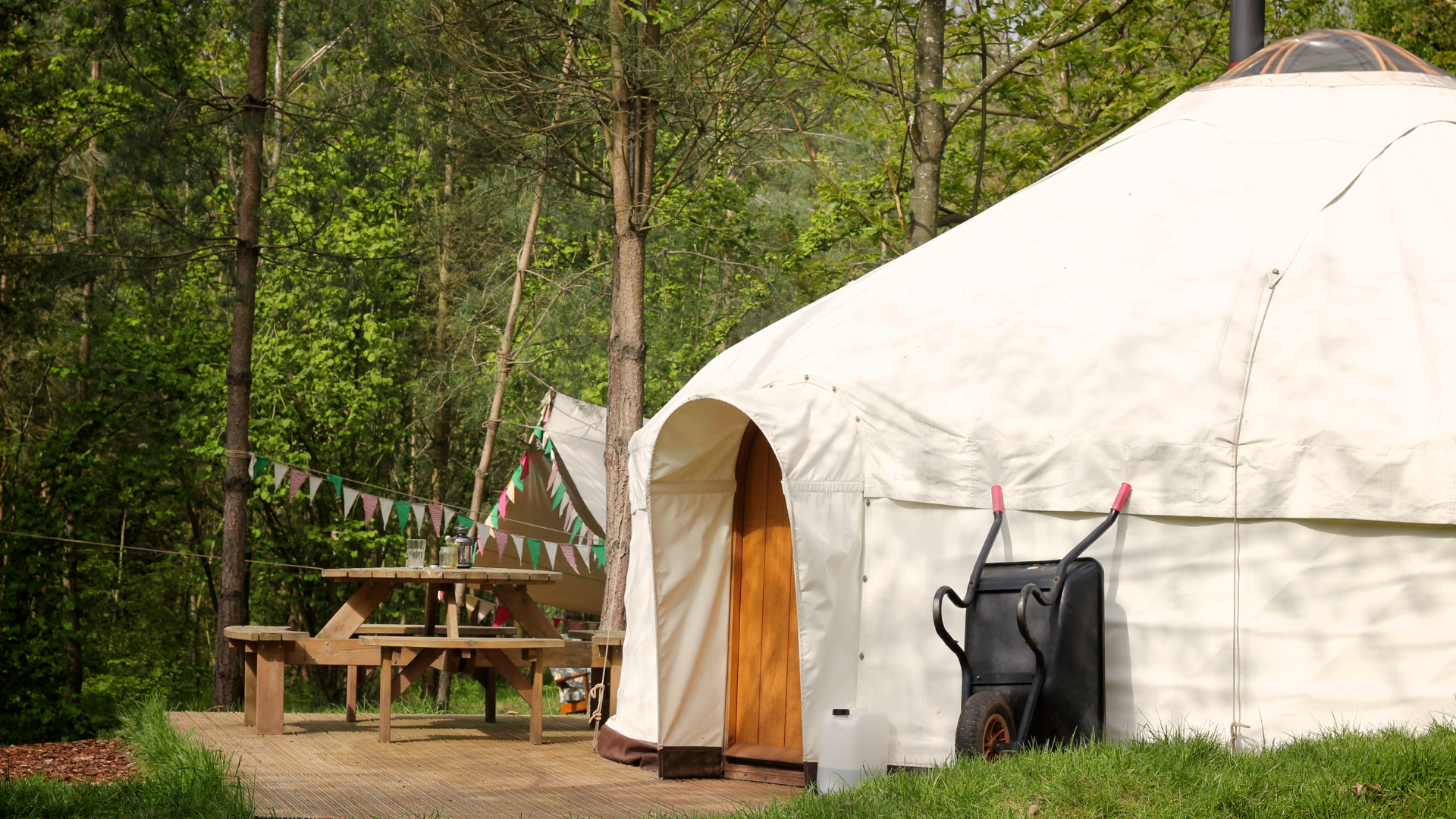
    • Yurt Camping: Yurts are traditional Mongolian dwellings that have been adapted for modern use. They are usually made out of wood and canvas and are very spacious, making them perfect for families or groups of friends.
    • RV Camping: RV camping is a great option if you want the flexibility to move around and explore different parts of the country. There are many different sizes and styles of RVs to choose from, so you can find one that fits your needs and budget.

    Are You Excited About the Summer Vacation?

    Summer is a great opportunity to take some time off and explore the world. With this list of 8 exciting vacation ideas, you are sure to have an unforgettable summer experience. Whether you decide to go on an outdoor adventure or just relax on the beach, make sure that your vacation is tailored to meet your needs. Allow yourself the chance to break away from everyday life and enjoy some rest and relaxation!

  • The Best Places to Go Camping in the Summer

    The Best Places to Go Camping in the Summer

    The summer months provide the perfect opportunity to escape the city and enjoy the great outdoors. Whether you’re a seasoned camper or a first-time adventurer, there are plenty of amazing destinations to choose from. From serene lakeside retreats to rugged mountain escapes, here are some of the best places to go camping this summer.

    Yosemite National Park, California

    Yosemite National Park is a bucket-list destination for many outdoor enthusiasts, and for good reason. With towering granite cliffs, thundering waterfalls, and pristine wilderness, this park is a hiker’s paradise. Whether you’re looking for an easy stroll or a multi-day backpacking trip, you’re sure to find what you’re looking for in Yosemite. There are 13 campgrounds in Yosemite that are open in the summer and offer a variety of camping options, from tent camping to RV sites.

    Grand Canyon National Park, Arizona

    If you’re looking for a camping adventure with a bit of history, head to the Grand Canyon. This breathtaking chasm is over a mile deep and offers breathtaking views from the rim or from below the river. There are several campgrounds within the park, or you can venture outside the park for more remote camping options.

    Rocky Mountain National Park, Colorado

    Rocky Mountain National Park is a must-visit destination for any camper who loves towering peaks, crystal-clear streams, and alpine meadows. The park has over 300 miles of hiking trails and several campgrounds, so you’re sure to find a place to call home. Plus, the park is home to an array of wildlife, so you may spot some elk, bighorn sheep, or even a bear or two.

    Acadia National Park, Maine

    Acadia National Park is a beautiful coastal park that’s perfect for a summer camping trip. With miles of rugged coastline, towering mountains, and serene lakes, this park has something for everyone. Whether you want to hike the park’s famous Cadillac Mountain, paddle in the clear waters of Jordan Pond, or simply relax on the beach, you won’t be disappointed. There are several campgrounds within the park, so you can easily find a place to call home.

    Great Smoky Mountains National Park, Tennessee

    If you’re looking for a camping trip that’s a bit closer to home, head to Great Smoky Mountains National Park. This beautiful park is the most visited in the country, and it’s easy to see why. With lush forests, rolling hills, and breathtaking mountain vistas, this park is a hiker’s paradise. There are several campgrounds within the park, so you’re sure to find a spot that fits your needs.

    Joshua Tree National Park, California

    Joshua Tree National Park is known for its unique landscape of towering rock formations, rolling deserts, and vast stands of Joshua trees. Summer is the perfect time to visit this park, as the weather is warm and dry and the wildflowers are in bloom. There are several campgrounds within the park, many of which offer breathtaking views and easy access to popular hiking trails.

    Yellowstone National Park, Wyoming

    Yellowstone is America’s first national park and boasts an incredible array of geological wonders, including geysers, hot springs, and bubbling mud pots. Summer is a great time to visit, as the weather is warm and the park’s iconic wildlife, such as grizzly bears, elk, and bison, are active. There are several campgrounds within the park, so you can easily find a place to pitch your tent.

    Olympic National Park, Washington

    Olympic National Park is a diverse park that offers something for every type of camper. With miles of rugged coastline, towering mountains, and pristine rainforests, this park has it all. The summer months are a great time to visit, as the weather is mild and the park’s iconic wildlife is active. There are several campgrounds within the park, so you can easily find a place to call home.

    Arches National Park, Utah

    Arches National Park is a unique landscape that’s dotted with over 2,000 natural sandstone arches. Summer is the perfect time to visit this park, as the weather is warm and dry, and the park’s iconic formations are lit up by the sun. There are several campgrounds within the park, so you can easily find a place to pitch your tent.

    Shenandoah National Park, Virginia

    Shenandoah National Park is a beautiful park that’s located just a few hours from Washington, D.C. With rolling hills, verdant forests, and breathtaking mountain vistas, this park is a hiker’s paradise. There are several campgrounds within the park, so you can easily find a spot that fits your needs.

    Glacier National Park, Montana

    Glacier National Park is a rugged and remote park that’s located in the heart of the Rocky Mountains. With soaring peaks, glaciers, and pristine wilderness, this park is a hiker’s paradise. The summer months are a great time to visit, as the weather is mild and the park’s iconic wildlife is active. There are several campgrounds within the park, so you can easily find a place to call home. You may even wish to hire a car to help you navigate the Montana landscape. The Ineos Grenadier is a fantastic SUV that has a 4 wheel drive, with solid traction that will keep you safe when going off-road.

    Travel Preparation and Transport Choices

    Careful planning is essential for a smooth and enjoyable camping trip. Selecting the right mode of transport, whether a car or a campervan, can greatly influence your journey. So, ensure your vehicle is road-ready, comfortable, and equipped with sufficient storage for your gear. For longer trips, consider outfitting your campervan with power access, organized storage, and sleeping arrangements tailored to your needs. Moreover, platforms like Rayne Automotive provide practical solutions for customizing campervans, while similar services are available for other vehicle types to enhance your comfort and confidence on the road.

    Additionally, packing essential items such as detailed maps, a first-aid kit, and charging devices is crucial, especially when traveling to remote locations. Don’t forget fundamental camping gear like a quality tent, a comfortable sleeping bag, and a durable backpack for carrying essentials. Most importantly, embrace responsible camping by following “leave no trace” principles to minimize your environmental impact.

    Ultimately, summer is the perfect season to reconnect with nature and explore some of the most breathtaking national parks. With thoughtful planning, the right gear, and reliable transportation, your camping adventure can be both comfortable and unforgettable.

  • Top Tips for Booking Your Hotel Room on the Internet

    Top Tips for Booking Your Hotel Room on the Internet

    Hotels can get quite crowded during peak season, which means that finding a room can be difficult. If you’re looking to book your hotel room online, here are the top tips to help you get started!

    Evaluate Sites Before Booking

    Booking a hotel room on the internet can be a great way to save time and money, but it is important to evaluate the sites you are using before you book. Look for websites with detailed information about the hotels and customer ratings, so you can make an informed decision. Check to see if the website has SSL encryption and a secure payment system, as well as other security considerations to ensure your safety. Make sure there are no hidden costs and that all refunds and cancellations are clearly outlined.

    Read reviews and customer feedback on the website, and decide if the hotel is right for you. Finally, check out the company website itself and make sure it is reputable and trustworthy. Evaluating sites before you book your hotel room online can save you time, and money, and guarantee security.

    Research the Property Before Booking

    Research is the key to finding an ideal hotel room online. It’s important to take some time and read reviews from other travelers. Also, research the property itself – what amenities are included? Does the website have photos of the rooms? What’s Nearby? Make a chart of potential hotels and compare the features.

    When possible, decide on a particular hotel before booking. Talk to the hotel staff if you have questions. Ask about parking, room sizes, Wi-Fi access, etc. If you plan on traveling to the beach-side, then make sure to ask the nearby hotel if they have any special amenities that can fulfill your needs as well. These can range from equipment regarding water sports to a shuttle service. So, if you plan on traveling to Los Angeles and you are considering making a reservation at Venice Beach Hotel, then be sure to put these queries across. Alternatively, if you plan on traveling to other locations, then be sure to clear any doubts as well. At the end of the day, booking a hotel room online isn’t complicated. But a little research can go a long way toward ensuring that you get the best possible value and experience.

    Understand Cancellation Policies

    When booking a hotel room online, understanding cancellation policies is of utmost importance. Hotels typically have different policies that you’ll need to be aware of before committing to the reservation. Some places have a strict cancellation policy while others may allow the guest to cancel with no penalty until a certain time before their stay. Thus, it is important to read the policy carefully and know what the cancellation requirements are.

    Pay attention to any deadlines or specific rules that apply, as well as any charges for canceling after a certain date. Keep in mind that if you cancel with too much advance notice, you may also be charged a fee. Additionally, some rooms offer rewards for booking ahead of time. So make sure to compare the cost benefits of booking and canceling ahead of time before committing to the reservation. Understanding these policies can ensure that you book the room that is best for you.

    Be Mindful of Prices

    Traveling on a budget can be a challenging task, especially when it comes to finding suitable accommodation. Hotel expenses can quickly add up and put a strain on your financial resources. However, with careful planning and research, you can secure a comfortable stay without breaking the bank. The key is to strike a balance between affordability and quality, ensuring that you get the most value for your money. Many places will also offer discounts or bundles. For instance, invernesspalacehotel.co.uk offers seasonal packages and discounted rates for couples weekends. This can help you save money without compromising on your stay.

    Start by determining your priorities and desired amenities. Do you need a room with a kitchenette or access to a fitness center? Or are you simply looking for a clean and comfortable place to rest your head? Once you’ve established your must-haves, you can narrow down your search to hotels that meet those criteria within your budget range. Don’t forget to consider the location as well – a hotel situated in a convenient area can save you money on transportation costs. If you’re traveling by air and need a place to stay near the airport, consider booking a Cheap Hotel Near SFO or anywhere nearby. These establishments often offer competitive rates and cater to travelers who require a convenient stopover before or after their flights. By staying close to the airport, you can avoid the hassle and expense of lengthy transfers, making your travel experience more seamless and budget-friendly. Furthermore, don’t hesitate to compare rates across multiple platforms to ensure you’re getting the most bang for your buck.

    Use Travel Resources to Obtain the Best Deals

    When booking a hotel room on the internet, it can be difficult to find the best deals. However, there are a variety of resources available to make this process fast and easy. Travel websites are a great way to save money. They often have special discounts and packages for travelers. Additionally, regular search engines can be used to compare prices from different hotels. When booking a hotel room on the internet, it is important to use a variety of resources to get the best deals.

    Compare Reservation Systems to Get the Best Price

    Comparing reservation systems online when booking a hotel room can be overwhelming. Luckily, there are a few simple steps to take to ensure you get the best price for your room. First, select the dates you wish to stay and the type of room you prefer. Then, locate the trusted travel sites that offer the most competitive rates for similar reservations. Once you have found multiple sites, compare the total price points. Then, read through the associated policies before booking. Finally, make sure to register for any loyalty programs or discounts that may apply to your stay.

    Use Hotel Rewards Programs to Your Advantage

    Hotel rewards programs can be a great way to save money, time, and energy when booking your hotel room online. These programs offer customers discounts and reduced prices for booking online. Rewards programs also typically offer additional benefits. These include free wifi, discounts on food at the hotel’s restaurant, early check-in or late check-out, and more. By using hotel rewards programs, customers gain access to special discounts, hotel deals, and amenities, and can book their hotel room at a reduced rate.

    Additionally, many of these programs allow members to earn points. You can exchange these for hotel stays, meals, or other perks. While the rewards and discounts vary from hotel to hotel, the overall goal is to give people the best possible value for their money. So it’s important to consider using these rewards programs when booking your hotel room online.

    Protect Your Credit Card During Online Booking

    When booking a hotel room online, you must provide your credit card information to secure a reservation. Protecting your credit card information is essential. This is because information obtained by an unauthorized entity could lead to fraud and other financial crimes. To protect your card information, make sure that the URL of the page is secure and starts with “https”. Ensure that the site you are using is legitimate, and be sure to read the website’s privacy policy. Additionally, use a secure form of payment, such as PayPal or direct bank transfer. Using two-factor authentication is also recommended. Lastly, keep an eye on your credit card statements. If something looks suspicious, report it to your bank or credit card provider immediately. Following these tips will help protect your credit card when booking your hotel room online.

    Install a Virtual Private Network to Ensure Your Security

    When booking a hotel room, ensuring security is paramount for travelers. Utilizing a Virtual Private Network (VPN) can bolster the security of your online booking process. A VPN establishes an encrypted, impenetrable tunnel between your device and the internet, creating a secure connection while concealing your IP address. Additionally, you can employ an IP checking tool to identify specific country’s IP addresses for switching purposes. By doing so, your online data and identity remain disguised, safeguarding you from potential hackers and cyber threats. Moreover, a VPN enables you to bypass internet restrictions and access potentially blocked content. With a secure and protected connection, you can proceed with your online booking confidently, knowing your information is safe and secure.

    In conclusion, taking steps to protect your credit card and ensure online security when booking a hotel room is crucial in today’s digital age. By following the tips mentioned, such as using secure payment methods, checking website legitimacy, and utilizing a VPN, you can have peace of mind knowing that your personal information is safeguarded. So, next time you book a hotel room online, take the necessary precautions to protect yourself from potential fraud and cyber threats.