Category: Travel

  • How History Shapes the Soul of a Destination: Exploring Cultural Identity Through Time

    How History Shapes the Soul of a Destination: Exploring Cultural Identity Through Time

    History acts as a silent architect, shaping the landscapes and cultures of destinations across the globe. Each place carries the stories of its past, woven into the everyday lives of its inhabitants and experienced by visitors. Understanding the historical context of a destination reveals layers of meaning, enriching the travel experience and deepening one’s connection to the locale.

    The influence of historical events, figures, and traditions manifests itself in architecture, cuisine, and local customs. Travelers who engage with this history discover not only the timeline of a place but also the enduring spirit of its people. This connection fosters appreciation and respect for the unique journeys that have shaped a destination.

    As travelers explore the rich tapestry of a location’s past, they gain insight into its current identity. Recognizing how history shapes a destination’s soul enhances engagement and creates memorable experiences. Visitors leave not just with memories of sights, but with a profound understanding of the place they explored.

    How History Crafts the Identity and Soul of Destinations

    History profoundly influences the identity and essence of a destination. The stories told through its artifacts, local customs, and significant events connect people to their cultural heritage, creating a unique environment that fosters empathy and understanding.

    The Interplay Between Local History and Cultural Identity

    Local history serves as the foundation for cultural identity. It shapes the values, beliefs, and practices of residents, creating a sense of belonging. Artifacts such as tools, clothing, and art from earlier times serve as tangible connections to the past.

    Storytelling plays a crucial role in this interplay. Narratives passed down through generations reflect the collective memory of a community. These stories often highlight key historical events and figures, enriching the local culture and providing insights into how the past influences the present.

    Historical Events That Mold Unique Experiences

    Significant historical events define the character of places and influence how they are perceived by outsiders. For instance, cities that experienced pivotal battles often incorporate this heritage into tourism, offering guided tours and recreations.

    These experiences allow visitors to engage with history firsthand. Museums and memorials serve as educational platforms, sharing the stories of past struggles and triumphs. Visitors often leave with a deeper appreciation for the challenges that shaped a community.

    The Emotional Impact of Historical Narratives

    Historical narratives evoke emotional responses that resonate with both locals and visitors. They provide a framework for understanding shared experiences, fostering empathy among individuals from different backgrounds.

    By exploring these narratives, people gain insights into the challenges faced by others throughout history. This emotional connection enriches the visitor experience, allowing them to reflect on their values about the story of the destination.

    In this way, history not only shapes the identity of a place but also offers a profound understanding of the human experience.

    Immersive Exploration: Connecting With Historical Layers

    Engaging with a destination’s historical layers allows visitors to experience its unique narrative. Through meaningful connections with landmarks, museums, architecture, and guided stories, travelers gain a deeper appreciation for the past.

    Visiting Landmarks, Monuments, and Ancient Ruins

    Historical landmarks and monuments serve as tangible links to the past. These sites often represent significant events, cultures, and eras. For example, structures like the Colosseum in Rome or the Pyramids of Giza convey stories of ancient civilizations through their impressive designs and enduring presence.

    Ancient ruins offer glimpses into daily life and societal structures. Visitors can wander through sprawling sites like Machu Picchu, where the well-preserved architecture highlights the ingenuity of the Inca civilization. Engaging with these landmarks fosters a personal connection to history, providing an immersive experience that textbooks cannot offer.

    Museums and Exhibits as Gateways to the Past

    Museums act as repositories of history, showcasing artifacts and exhibits that narrate stories of different epochs. Institutions such as the British Museum provide access to thousands of years of history through art, relics, and interactive displays.

    Curated exhibits often center on specific themes or periods, allowing visitors to immerse themselves in unique aspects of culture. For instance, an exhibit on the Renaissance may include paintings, sculptures, and manuscripts, enabling a multifaceted understanding of this influential era. Each piece contributes to a broader historical narrative.

    Architecture and Cityscape: History in the Built Environment

    The architecture of a city serves as a living history book. Each building reflects the time it was constructed, revealing societal values, technological advancements, and artistic trends. Gothic cathedrals, Baroque palaces, and modernist structures showcase diverse architectural styles, each steeped in its history.

    Exploring cityscapes allows visitors to appreciate how urban planning has evolved. Walking through historic districts, one can see the juxtaposition of old and new, highlighting the importance of historic preservation. This interplay between past and present enriches the visitor’s experience, emphasizing the story written in the city’s fabric.

    Guided Tours and Storytelling Experiences

    Guided tours offer an informed perspective on historical locations. Knowledgeable guides share engaging narratives, revealing lesser-known facts that enrich the experience. Instead of merely observing, visitors actively participate in the story.

    Storytelling experiences can include reenactments or interactive sessions that engage visitors by immersing them in pivotal moments from the past. Such activities evoke a sense of presence, allowing individuals to feel connected to history in a profound way. This approach enhances understanding and fosters a lasting appreciation for the site’s heritage.

    The Living Tapestry: Art, Culture, and Daily Life

    The essence of a destination is often woven through its art, culture, and daily experiences. These elements provide insight into the local character and foster a connection to history and tradition.

    Local Art, Murals, and Creative Expressions

    Local art plays a vital role in expressing the identity of a community. Public murals transform urban spaces into vibrant galleries, showcasing the talent of local artists. These works often reflect historical events, cultural symbols, or community issues.

    In addition to murals, art galleries serve as platforms for artists to display their creations. Visitors can discover unique artwork, from paintings to sculptures, and even handmade souvenirs that embody local craftsmanship. These expressions deepen the bond between residents and their surroundings.

    Music and Artistic Traditions in Daily Culture

    Music is an integral aspect of daily life in many cultures. It not only entertains but also preserves traditions and stories through generational rhythms. Local musicians often blend traditional styles with contemporary elements, creating a unique sound that reflects their heritage.

    Artistic traditions are celebrated through various forms, including dance, storytelling, and theater. These practices engage community members and attract visitors who seek authentic experiences. Festivals may feature local artists and musicians, fostering a sense of pride in their cultural roots.

    Cultural Events, Festivals, and Performances

    Cultural events and festivals provide opportunities for communities to celebrate their heritage. Throughout the year, many destinations host events that highlight local art, music, and dance. These gatherings often showcase artistic expressions and foster a sense of unity.

    Performances may include traditional dances or theatrical presentations that convey local stories and legends. Such events allow both locals and visitors to engage with the culture actively. The involvement of local authors and literature readings at these events further enriches the experience, making them memorable for all participants.

    Unearthing Authenticity: Off-the-Beaten-Path and Local Experiences

    Exploring a destination’s true essence often lies beyond the typical tourist spots. By venturing into hidden gems and engaging with local customs, travelers can discover authentic experiences that enrich their understanding of a place.

    Hidden Gems and Lesser-Known Sites

    Hidden gems often offer a more intimate glimpse into a destination’s history and culture. Local museums and historic sites, tucked away from the main tourist routes, provide insights that larger, commercial establishments may overlook.

    For instance, instead of visiting a famous monument, travelers might seek out a smaller heritage site, showcasing the community’s unique stories. These locations often feature artifacts and exhibitions that celebrate local achievements and traditions, making them ideal for those interested in genuine narratives.

    Markets and Local Customs

    Visiting local markets remains one of the most enlightening ways to connect with a destination. These bustling centers display not just products, but the daily lives of the community.

    Markets often serve as a platform for local customs, where travelers can witness traditional practices, from food preparation to artisan crafts. Engaging with local vendors offers opportunities to taste regional dishes or purchase handmade goods, reinforcing the importance of sustaining local economies.

    Engaging With Local People and Perspectives

    Interactions with local people can deeply enhance travel experiences. Meeting residents often reveals personal stories that embody the spirit of a place.

    Travelers should approach conversations with curiosity, asking about daily life and cultural practices. These exchanges foster genuine connections, promoting a better understanding of the local perspective on historical and contemporary issues. By immersing themselves in such dialogues, travelers gain insights that typical tourist activities may not provide.


     

  • Exploring Forgotten Ruins Around the World: Unveiling Hidden Histories

    Exploring Forgotten Ruins Around the World: Unveiling Hidden Histories

    Forgotten ruins tell the stories of civilizations that once thrived, often revealing insights into human history, culture, and innovation. Exploring these remnants not only captivates adventurers but also enriches understanding of how societies developed over time. From the ancient temples of Angkor Wat to the abandoned cities of Pompeii and Machu Picchu, each site offers a unique glimpse into the past.

    Travelers are drawn to these locations not just for their beauty, but for the mysteries they hold. Many of these ruins, cloaked in vines and weathered by time, provide opportunities for reflection on humanity’s achievements and failures. Each step through these ancient sites brings visitors closer to the lives of people long gone, igniting the imagination and fostering a deeper appreciation for cultural heritage.

    As explorers venture into these forgotten places, they uncover more than just stones and structures. They often come across artifacts and stories that challenge preconceived notions about history and highlight the resilience of the human spirit. Journeys through these ruins serve as powerful reminders of the interconnectedness of civilizations across time and space.

    The Allure of Forgotten Ruins: Why We Explore

    The exploration of forgotten ruins draws individuals for various reasons, rooted in a deep interest in historical narratives, cultural heritage, and the mysteries of ancient civilizations. Each site tells a story, providing insight into societies long vanished from contemporary view.

    Human Fascination with Lost Civilizations

    Humans possess an innate curiosity about the past. Lost cities and ancient ruins evoke a sense of wonder about what life was like for civilizations that no longer exist. Places like Machu Picchu or Pompeii allow modern explorers to connect with historical figures and events.

    The emotional pull is profound; these sites offer tangible connections to human stories. As visitors walk through crumbling structures, they imagine life within bustling communities, contemplating the achievements and failures of those who came before.

    Legends and Myths Surrounding Ancient Sites

    Every forgotten ruin is often cloaked in legends and myths, enhancing its allure. From tales of cursed treasures to stories of lost cities, these narratives ignite imagination and encourage exploration. Sites like Atlantis or the city of El Dorado have fueled centuries of fascination and speculation.

    Such myths not only attract archaeologists but also adventurers and dreamers. They inspire quests for hidden truths and encourage people to seek answers to age-old questions about humanity’s origin and destiny.

    The Role of Archaeology in Uncovering the Past

    Archaeology plays a crucial role in revealing the histories of forgotten ruins. Through meticulous excavation and research, archaeologists uncover artifacts and structures that provide insight into ancient civilizations. This scientific approach transforms mere stones into stories.

    Fieldwork often leads to significant discoveries that reshape understanding of historical timelines and cultures. For instance, recent excavations at sites like Petra have revealed complex trade routes and architectural innovations of the Nabateans. Such findings deepen appreciation for the ingenuity of ancient peoples and their enduring legacies.

    Iconic Ancient Ruins Around the World

    These renowned ancient sites offer captivating insights into the cultures and civilizations that built them. From the Andes to the deserts of Jordan, each has a unique story to tell.

    Machu Picchu and the Mysteries of the Inca Empire

    Machu Picchu, located high in the Andes Mountains of Peru, is a renowned symbol of the Inca Empire. This 15th-century citadel showcases sophisticated dry-stone construction that has withstood centuries of harsh weather.

    Visitors often trek the Inca Trail, a path that winds through breathtaking landscapes, culminating at the iconic site. Machu Picchu’s intricate agricultural terraces and ceremonial structures reveal the Incas’ advanced knowledge of engineering and agriculture. The site remains an enduring mystery, with theories about its purpose ranging from a royal estate to a religious pilgrimage destination.

    Petra: The Rose City of the Nabataean Kingdom

    Petra, located in modern-day Jordan, is famously known as the “Rose City” due to the color of its rock-cut architecture. Established by the Nabataeans in the 4th century BC, it became a key trading hub thanks to its strategic position along trade routes.

    The entrance to Petra is through the Siq, a narrow gorge that leads to the spectacular Al-Khazneh, or “The Treasury.” This architectural marvel features intricate facades carved into sheer rock faces. Petra’s advanced water conduit system demonstrates the ingenuity of its builders, allowing them to thrive in a harsh desert environment.

    Angkor Wat and Khmer Architecture in Cambodia

    Angkor Wat in Cambodia is the largest religious monument in the world, originally built as a Hindu temple in the early 12th century. The layout reflects classical Khmer architecture, characterized by its grandeur and intricate bas-reliefs.

    Designed to represent an earthly model of the cosmos, Angkor Wat was eventually transformed into a Buddhist temple. The surrounding area also features Ta Prohm, famous for its intertwining trees and sprawling roots. This temple complex showcases the remarkable artistry and architectural genius of the Khmer civilization.

    Stonehenge and Prehistoric Monuments of England

    Stonehenge, situated on Salisbury Plain in England, is one of the most important prehistoric monuments in the world. Believed to have been constructed between 3000 and 2000 BC, its purpose remains a subject of debate among archaeologists.

    The arrangement of massive stones suggests it may have served as an astronomical observatory or a ceremonial site. Stonehenge’s alignment with the solstices points to the importance of celestial events in ancient British society. The site is a key part of the collective understanding of prehistoric human life and its connection to the cosmos.

    Lost Cities and Legendary Archaeological Sites

    Lost cities and archaeological sites reveal the architectural brilliance and cultural legacies of ancient civilizations. The following locations represent significant achievements and chronicles of their respective cultures.

    Chichen Itza and the Mayan Legacy in Mexico

    Chichen Itza is a prominent archaeological site that exemplifies the sophistication of the Maya civilization. Located in the Yucatan Peninsula, it features El Castillo, a step pyramid integral to Mayan astronomy and religion. The structure has 91 steps on each side, totaling 365, corresponding to the days of the solar calendar.

    The Great Ball Court, another highlight, showcases the ceremonial importance of ball games in Mayan society. Various inscriptions and carvings found throughout the site illustrate a rich history tied to rituals, trade, and astronomy. This UNESCO World Heritage Site attracts visitors worldwide, making it a vital aspect of Mexico’s cultural heritage.

    The Pyramids of Giza: Marvels of Ancient Egypt

    The Pyramids of Giza stand as enduring symbols of ancient Egypt’s architectural prowess. The most famous is the Great Pyramid, constructed around 2580-2560 BCE during the Fourth Dynasty. At approximately 481 feet tall, it was the tallest man-made structure for over 3,800 years.

    Surrounded by the Sphinx, this complex serves as a burial site for pharaohs. The arrangement of the pyramids reflects celestial orientation, demonstrating the Egyptians’ advanced understanding of astronomy. As one of the Seven Wonders of the Ancient World, these pyramids continue to be a focal point for historians and tourists alike.

    The Acropolis and Ancient Greek Civilization

    The Acropolis of Athens is a symbol of Ancient Greek civilization and democracy. It hosts several significant structures, including the Parthenon, dedicated to the goddess Athena. This temple showcases exquisite Doric architectural design and was completed in 432 BCE.

    The site represents the cultural and political hub of ancient Athens. Its strategic location provides a panoramic view of the city, emphasizing the significance of its defensive and religious functions. Today, the Acropolis serves as a reminder of the ancient Greeks’ contributions to art, philosophy, and governance.

    Teotihuacan: City of the Gods in Mexico

    Teotihuacan, located near present-day Mexico City, was one of the largest urban centers in the ancient world. The city’s layout features the Avenue of the Dead, lined with impressive structures. The Pyramid of the Sun and the Pyramid of the Moon dominate the skyline, illustrating the city’s architectural ambitions.

    This ancient metropolis was a melting pot of various cultures, influencing surrounding regions. Despite its decline around the 7th century CE, Teotihuacan’s mysteries continue to fascinate researchers. As an UNESCO World Heritage Site, it embodies the ingenuity of its creators and their legacy in Mexican history.

    Overlooked and Mysterious Ruins

    Several forgotten ruins around the world hold stories waiting to be uncovered. These sites embody intricate histories and fascinating cultures that often go overlooked. They range from ancient temples to enigmatic geoglyphs, each offering a unique glimpse into the past.

    Tikal and Mayan Wonders in Guatemala

    Tikal stands as one of the most significant archaeological sites of the Mayan civilization, located in the rainforests of northern Guatemala. This vast city dates back to around 200-900 AD and features impressive temples, palaces, and plazas. Among its notable structures are Temple I and Temple II, which showcase remarkable architectural achievements.

    In addition to their grandeur, Tikal’s structures held astronomical and religious significance. The site is also home to rich biodiversity, making it a UNESCO World Heritage site. Together, the ruins and surrounding nature illustrate the complex relationship between the Mayans and their environment.

    The Forgotten Temples of Hampi and Vijayanagara Empire

    Hampi, the capital of the Vijayanagara Empire in India, is known for its stunning temple complex. Established in the 14th century, it features a blend of Hindu and Islamic architectural styles. The Virupaksha Temple, with its towering gopuram, is a highlight among the ruins, attracting historians and travelers alike.

    The site houses numerous other temples, markets, and royal structures, reflecting the empire’s wealth and cultural diversity. Hampi’s vibrant history and artistry make it a UNESCO World Heritage site, symbolizing ancient India’s spiritual and commercial importance. Wandering through Hampi allows visitors to connect with the remnants of a once-great civilization.

    Underground Cities: Derinkuyu and Cappadocia

    Derinkuyu is one of the most notable underground cities in Cappadocia, Turkey, revealing a fascinating aspect of ancient life. This subterranean structure extends up to 60 meters deep and could shelter thousands of people. It features ventilation shafts, living quarters, and even wineries, designed for protection during invasions.

    The entire region of Cappadocia is characterized by its unique rock formations and cave dwellings. Its history of forced migrations and invasions led to the creation of these elaborate underground refuges. These cities reflect both ingenuity and resilience, showcasing how cultures adapted to their environments.

    Enigmatic Geoglyphs: Nazca Lines in Peru

    The Nazca Lines, located in the arid plains of southern Peru, represent a series of large geoglyphs created between 500 BC and 500 AD. These enormous figures, including animals and geometric shapes, can only be fully appreciated from the air. Their origins remain a subject of intrigue, with theories suggesting they had astronomical, religious, or agricultural significance.

    These ancient designs demonstrate an impressive understanding of spatial geometry and planning. Despite their age, the Nazca Lines have survived, preserved by the arid climate. Their mysterious purpose continues to captivate archaeologists and visitors, highlighting the advanced capabilities of the Nazca culture.


  • A Guide to Exploring UNESCO World Heritage Sites: Discovering Cultural and Natural Treasures Around the Globe

    A Guide to Exploring UNESCO World Heritage Sites: Discovering Cultural and Natural Treasures Around the Globe

    Exploring UNESCO World Heritage Sites offers a unique opportunity to appreciate the cultural and natural treasures of our world. These sites not only represent the pinnacle of human achievement but also serve as vital reminders of our shared heritage and history. Each location tells a story of human creativity, resilience, and diversity, inviting visitors to connect with the past while considering their significance in today’s context.

    From the ancient ruins of Petra to the breathtaking landscapes of the Great Barrier Reef, each UNESCO site provides a stunning backdrop for adventure and learning. By visiting these remarkable places, travelers gain insight into the universal values that unite humanity, deepening their understanding of different cultures and environments. This guide aims to navigate the vast array of UNESCO World Heritage Sites and highlight essential tips for those eager to embark on this enriching journey.

    With careful planning and respect for the local customs and environments, anyone can discover the beauty and importance of these sites. Whether seeking architectural wonders or natural landscapes, the exploration of UNESCO World Heritage Sites promises memorable experiences and a profound appreciation of the world’s legacy.

    Understanding UNESCO World Heritage Sites

    UNESCO World Heritage Sites represent cultural and natural treasures that hold universal value. These sites are officially recognized for their significance, and the criteria for their inclusion on the list reflect a commitment to preserving humanity’s diverse heritage.

    Defining UNESCO World Heritage Sites

    UNESCO World Heritage Sites are locations recognized for their outstanding universal value. The sites can be cultural, historical, scientific, or other forms of significance that merit conservation. They provide insight into the human experience and natural wonders.

    To qualify as a World Heritage Site, a location must meet at least one of the ten criteria established by the World Heritage Committee. These criteria assess attributes such as aesthetic value, historical importance, and unique biodiversity.

    The Role of UNESCO

    The United Nations Educational, Scientific and Cultural Organization (UNESCO) administers the World Heritage program. Its goal is to promote international cooperation for preserving sites of cultural and natural significance. Through its efforts, UNESCO raises awareness about the importance of conservation.

    The organization provides guidelines for countries aspiring to protect their heritage. It also offers technical assistance and capacity-building support. This ensures that nations can effectively manage their World Heritage Sites and work towards sustainable tourism practices.

    Categories: Cultural, Natural, and Mixed Heritage

    UNESCO categorizes World Heritage Sites into three main types: cultural, natural, and mixed.

    • Cultural Heritage Sites include historic buildings, monuments, and urban landscapes. Examples are the Great Wall of China and the Pyramids of Egypt.
    • Natural Heritage Sites highlight natural features of exceptional beauty or ecological importance, such as the Great Barrier Reef in Australia.
    • Mixed Heritage Sites embody both cultural and natural significance. An example would be Mount Athos in Greece.

    Each category reflects unique aspects of human achievement and the planet’s biodiversity.

    How Sites are Added to the World Heritage List

    The process of adding sites to the World Heritage List involves several steps. First, countries submit nominations to UNESCO’s World Heritage Committee. Each nomination undergoes thorough evaluation by experts who assess its eligibility based on established criteria.

    Following this evaluation, the committee makes the final decision during its annual sessions. Countries must also demonstrate a commitment to maintaining and preserving their sites. Regular monitoring is essential to ensure ongoing compliance with UNESCO standards.

    Planning Your Journey to UNESCO World Heritage Sites

    When planning a journey to UNESCO World Heritage Sites, travelers should consider a variety of factors to ensure a meaningful experience. From selecting the right sites to visit to practicing responsible travel, preparation plays a vital role in making the most of these unique destinations.

    Choosing Sites to Visit

    Selecting the right UNESCO World Heritage Sites can enhance the travel experience significantly. Travelers should research the World Heritage List to identify sites that align with their interests, whether cultural, historical, or natural. For example, those interested in architecture might prioritize sites like the Acropolis of Athens or Neuschwanstein Castle.

    Furthermore, travelers may wish to consider the geographical locations of these sites. Visiting multiple sites within a region can minimize travel time and expenses. It is beneficial to utilize travel guides, apps, or websites that specialize in UNESCO sites to find recommendations and insights.

    Sustainable and Responsible Travel

    Travelers should adopt sustainable practices while visiting these precious sites. UNESCO encourages responsible tourism to preserve cultural and natural heritage. This includes following local guidelines and respecting the environment.

    Utilizing public transportation, staying in eco-friendly accommodations, and minimizing waste contribute to sustainable tourism. Engaging with local communities through guided tours or workshops can enhance understanding and appreciation of the sites.

    Travelers should prioritize sites recognized for sustainable tourism efforts, which may provide additional resources and support for conservation initiatives.

    Best Times for Exploration

    Timing plays a critical role in the enjoyment of UNESCO World Heritage Sites. Each site may have peak seasons when visitor numbers can be overwhelming, affecting the experience. Researching climate conditions is vital; sites located in tropical areas may have distinct wet and dry seasons impacting accessibility.

    In general, spring and fall are often ideal times for exploration, offering pleasant weather and smaller crowds. Checking local events or festivals can also enrich visits, providing unique insights and experiences related to the site’s history or culture.

    Iconic UNESCO World Heritage Sites Around the World

    UNESCO World Heritage Sites represent humanity’s cultural and natural heritage treasures. From ancient monuments to breathtaking natural landscapes, these sites offer unique experiences that reflect the diversity of our world.

    Historic Monuments and Ancient Wonders

    The Great Wall of China is a monumental feat of engineering, spanning over 13,000 miles. Constructed to protect against invasions, it showcases various dynastic architecture.

    The Taj Mahal in India is renowned for its stunning white marble and intricate craftsmanship. Built as a mausoleum for Mumtaz Mahal, it exemplifies Mughal architecture and is a symbol of eternal love.

    Machu Picchu, located in Peru, is an Incan citadel nestled in the Andes Mountains. Its sophisticated dry-stone construction and terraced fields demonstrate advanced agricultural practices of the Inca civilization.

    Angkor Wat in Cambodia is the largest religious monument in the world. Originally a Hindu temple, it features intricate bas-reliefs and is a vital part of Khmer architecture.

    Natural and Scenic Marvels

    The Galapagos Islands are a unique archipelago that inspired Charles Darwin’s theory of evolution. Its biodiversity includes endemic species like the Galapagos tortoise and marine iguanas. The Great Barrier Reef in Australia is the largest coral reef system globally. It supports a diverse range of marine life and is vital for marine conservation efforts.

    Yellowstone National Park, established in 1872, was the first national park in the world. Known for its geothermal features like geysers and hot springs, it also hosts diverse wildlife habitats. Cappadocia in Turkey is famous for its unique rock formations and cave dwellings. Its landscapes offer breathtaking views and numerous hiking opportunities.

    Architectural Masterpieces

    The Colosseum in Rome, Italy, is an iconic symbol of ancient Roman architecture. This amphitheater could hold up to 80,000 spectators for gladiatorial contests and public spectacles. Mont-Saint-Michel in France is a medieval abbey perched on a rocky island. Its Gothic architecture and strategic position make it a stunning site visited by thousands each year.

    The Acropolis of Athens is an ancient citadel featuring classical Greek architecture. The Parthenon, dedicated to the goddess Athena, remains a significant cultural symbol. Kiyomizu-dera in Japan is an ancient temple known for its wooden stage that offers panoramic views of cherry and maple trees. Its historical significance and scenic beauty attract many visitors.

    Bagan in Myanmar is home to thousands of ancient temples and stupas, reflecting the region’s rich cultural heritage. It showcases a unique blend of architecture from different dynasties. Aachen Cathedral in Germany is renowned for its Palatine Chapel, a masterwork of Carolingian architecture. It holds a significant place in European religious history.

    Tips for Visiting and Preserving World Heritage Sites

    Visiting UNESCO World Heritage Sites requires awareness and respect for the regulations in place, as well as appreciation for local cultures. Following specific guidelines ensures a positive impact on these significant locations.

    Regulations and Site Protection

    Visitors must familiarize themselves with the regulations set by UNESCO and the local authorities. Each site has unique rules designed to protect its integrity.

    • Stay on designated paths to minimize erosion and damage.
    • Avoid touching or climbing on ancient structures to prevent degradation.
    • Follow photography restrictions, as flash photography can harm sensitive artworks.

    Understanding the World Heritage Committee’s guidelines helps visitors contribute positively to preservation efforts. Compliance not only safeguards the site but enhances the visitor experience.

    Respecting Local Communities and Traditions

    Visitors should engage respectfully with local communities. This includes learning about the culture and history that define the site.

    • Participate in local customs and traditions, enhancing cultural appreciation.
    • Support local businesses by buying artisanal products rather than mass-produced souvenirs.
    • Listen to community feedback about tourism practices; they have insights into sustainable visitation.

    Being respectful fosters goodwill, ensuring that future visitors enjoy the rich heritage rooted in local communities.

    Ensuring the Longevity of Heritage Sites

    Sustainable practices play a crucial role in the longevity of UNESCO World Heritage Sites. Visitors can contribute positively through mindful choices.

    • Limit noise to avoid disturbing wildlife and the historical ambiance.
    • Practice “Leave No Trace” principles to minimize the environmental impact.
    • Use public transportation or walk when possible, reducing carbon footprints.

    By adopting responsible behaviors, individuals help maintain the site’s value for generations to come.


  • 8 Cities for History Lovers to Add to Their Bucket List: Discover Timeless Destinations

    8 Cities for History Lovers to Add to Their Bucket List: Discover Timeless Destinations

    For those passionate about history, traveling to cities rich in cultural heritage can be a transformative experience. Exploring unique historical sites and artifacts from around the world can significantly enrich a travel bucket list. Each destination holds stories of the past, offering a glimpse into the lives of those who shaped history.

    In this blog post, history lovers will discover eight captivating cities that deserve a spot on their travel bucket list. From ancient ruins to well-preserved architecture, these cities provide an authentic connection to the history that has defined civilizations. Each location promises to evoke a sense of wonder and appreciation for the intricate tapestry of human experience.

    Traveling to these cities not only satisfies a curiosity for the past but also encourages a deeper understanding of the present. Readers are invited to explore how these destinations can inspire future journeys and expand their knowledge of history.

    Must-Visit Cities for History Lovers

    For those who appreciate the rich tapestry of history, certain cities stand out as must-visit destinations. Each location offers a unique glimpse into the past, featuring landmarks, museums, and stories that shape American heritage.

    Boston: Cradle of the American Revolution

    Boston is vital to understanding American history. The Freedom Trail, a 2.5-mile walking route, connects significant sites like the Boston Tea Party Ships and Museum and Boston Common. Visitors can explore the USS Constitution, the oldest commissioned warship afloat, and step inside the Old North Church, where signals for the Revolutionary War were famously sent.

    Key attractions also include the Bunker Hill Monument, honoring the pivotal battle, and numerous museums like the Peabody Essex Museum, which delve into early American culture. The city’s colonial roots make it essential for history buffs.

    Philadelphia: The Birthplace of Independence

    Philadelphia is known for its instrumental role in the Revolution and independence. The iconic Independence Hall, where the Declaration of Independence was signed, is a centerpiece of the city. Nearby lies the Liberty Bell, a symbol of freedom revered worldwide.

    Exploring the Museum of the American Revolution provides insights into the era’s struggles and triumphs. The walking tours of the historic district connect visitors to the events that shaped the nation, with notable sites around every corner.

    Washington, D.C.: Iconic Symbols of American History

    Washington, D.C., serves as the nation’s capital and a historical jewel. It is home to landmarks such as the Lincoln Memorial and the U.S. Capitol, each telling stories of governance, struggle, and progress. The Jefferson Memorial honors Thomas Jefferson, a principal author of the Declaration of Independence.

    The Smithsonian Institution includes various museums, notably the National Museum of American History. This institution showcases artifacts that illustrate the nation’s journey. Walking through the National Mall reveals the rich heritage embedded in every monument.

    Charleston: Southern Heritage and Civil War Landmarks

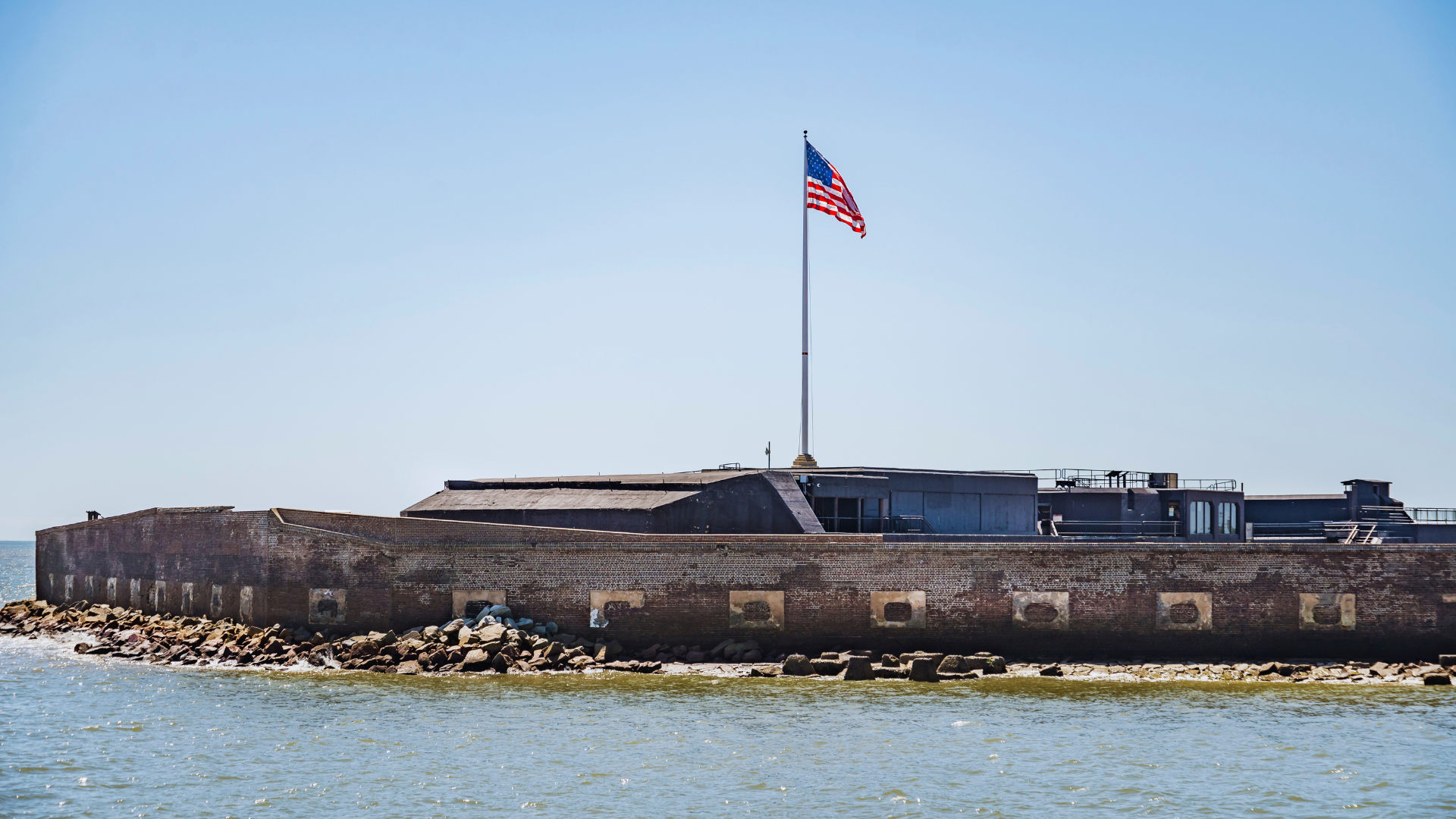
    Charleston is noted for its well-preserved architecture and historical significance related to the Civil War. Fort Sumter, where the first shots of the Civil War were fired, is a key landmark. Visitors can take a ferry to the site for guided tours that detail the fort’s role in American history.

    The city’s Walking Tour highlights antebellum homes and gardens, emphasizing its colonial past. Historical churches and cemeteries enrich the landscape, reflecting the area’s diverse narratives, including slavery and freedom.

    Williamsburg: Immersive Colonial Experience

    Williamsburg, Virginia, offers an immersive journey into colonial life. Colonial Williamsburg is a living history museum where actors recreate 18th-century life, from blacksmithing to political debates. The streets resonate with the sights and sounds of the past.

    Visitors can explore historic buildings such as the Governor’s Palace and the Capitol. Engaging demonstrations highlight the daily lives of early Americans, making it an enriching experience for those interested in colonial history.

    Salem: Witch Trials and Early American Stories

    Salem is infamous for the witch trials of 1692, making it a fascinating destination. The Salem Witch Museum presents the events and societal implications of the trials. Visitors gain insight into the fear and hysteria that gripped the town.

    Historical landmarks include the Peabody Essex Museum, which showcases objects from this tumultuous time. Walking tours reveal historic sites tied to the trials, adding depth to the town’s narrative.

    St. Augustine: America’s Oldest City

    St. Augustine, Florida, claims the title of the oldest city in the U.S. Its rich history is evident in the Castillo de San Marcos, a fortress built in the late 17th century. This fort played a critical role in colonial defense and has been preserved for visitors.

    Exploring the city reveals Spanish colonial architecture and cultural influences. Historic sites, including the Mission Nombre de Dios, reflect the city’s diverse heritage, making it a captivating stop for history enthusiasts.

    Savannah: Timeless Squares and Cemeteries

    Savannah, Georgia, combines charm with a deep historical narrative. The city’s public squares are filled with historic homes and monuments. Forsyth Park is a focal point, surrounded by beautiful live oaks.

    Bonaventure Cemetery, known for its haunting beauty, tells stories of the city’s past residents. Guided tours explore both the city’s architectural achievements and the cultural influences that have shaped Savannah over the centuries. The city’s historical significance extends beyond its picturesque views, making it an essential visit for history lovers.

    Global Historical Cities to Add to Your Bucket List

    These cities offer a rich blend of history, culture, and architectural marvels. Each location provides unique insights into the past, making them essential stops for history enthusiasts.

    Rome: Eternal City of Ancient Wonders

    Rome stands as a testament to ancient civilization with its remarkable architecture and historical significance. Visitors can explore the Colosseum, an iconic symbol of Roman engineering and gladiatorial combat. The Roman Forum nearby showcases the heart of political life in ancient times.

    Additionally, the Pantheon demonstrates the ingenuity of Roman design, with its massive dome still holding the record for the world’s largest unreinforced concrete dome. Walking through Pompeii, preserved under volcanic ash from Mount Vesuvius, offers a haunting glimpse into daily life before its devastating eruption. Rome is a UNESCO World Heritage Site, reflecting its vast contributions to human history.

    Athens: Birthplace of Democracy

    Athens, known as the cradle of democracy, boasts ancient ruins that tell the story of its influential past. The Acropolis is the crown jewel, featuring the Parthenon, a temple dedicated to the goddess Athena. This monumental structure showcases the pinnacle of ancient Greek architecture and artistry.

    Visitors can also explore the Ancient Agora, which served as the center of political and social activity in ancient Athens. The blend of history and philosophy in this city has shaped modern thought. Recognized as a UNESCO World Heritage Site, Athens provides essential insights into democracy and governance.

    Machu Picchu: Lost City of the Incas

    Machu Picchu is an extraordinary site located in the Andes Mountains of Peru. Often referred to as the “Lost City of the Incas,” it showcases remarkable Incan architecture and ingenuity. The site is famed for its sophisticated terracing and water management systems.

    Visitors encounter structures such as the Temple of the Sun and the Intihuatana, a ritual stone associated with astronomy. The breathtaking views add to its allure. Machu Picchu is also a UNESCO World Heritage Site, recognized for its cultural significance and archaeological wonders, making it a must-visit for history lovers.

    Petra: Rose-Red City of the Nabataeans

    Petra, often called the “Rose-Red City,” is renowned for its stunning rock-cut architecture and water conduit system. Nestled in southern Jordan, it was once a thriving trade hub. The Treasury, a magnificent façade carved into sandstone, welcomes visitors with its intricate details.

    Other notable structures include the Royal Tombs and the Monastery, each reflecting the skills of the Nabataeans. The city’s complex irrigation system illustrates its advanced understanding of engineering and agriculture. As a UNESCO World Heritage Site, Petra continues to captivate with its unique blending of natural and manmade beauty.

    Pyramids of Giza: Legacies of Ancient Egypt

    The Pyramids of Giza stand as one of the most enduring symbols of ancient Egypt’s power and culture. The Great Pyramid, built for Pharaoh Khufu, is not only the largest pyramid but also the oldest of the Seven Wonders of the Ancient World.

    Visitors can explore the nearby Sphinx, a monumental statue that combines human and lion features, symbolizing strength and wisdom. The alignment of the pyramids with celestial bodies demonstrates the advanced astronomical knowledge of the ancient Egyptians. As a UNESCO World Heritage Site, this iconic landmark offers profound insights into ancient civilization and its profound legacies.

    Cultural Landmarks and Noteworthy Experiences

    Exploring cities rich in history reveals cultural landmarks and remarkable experiences deeply tied to significant movements and unique local traditions. These aspects shape the identity of each location and offer insight into their pasts.

    Women’s Rights and Civil Rights Heritage

    Seneca Falls, New York, carries monumental significance as the site of the 1848 Women’s Rights Convention. This event marked the beginning of the organized women’s rights movement in the United States. The National Women’s Hall of Fame in Seneca Falls honors influential women and their contributions to society.

    In addition, cities like Atlanta and Montgomery are pivotal in the Civil Rights Movement. Atlanta’s Martin Luther King Jr. National Historical Park features his childhood home and church, offering insights into his life and work. Montgomery’s Civil Rights Memorial and the Rosa Parks Museum highlight critical events in the struggle for racial equality.

    Music, Food, and Unique Regional History

    Cities like St. Louis celebrate music history, particularly jazz and blues. Visitors can experience live performances in historic venues, reflecting the genre’s deep roots. Furthermore, St. Louis is known for its BBQ and seafood restaurants, showcasing regional flavors.

    New Orleans stands out for its vibrant fusion of cultures, music, and culinary delights. Notable landmarks, such as the French Quarter and Preservation Hall, are essential stops for anyone interested in the city’s rich musical heritage. Local cuisine, including beignets and jambalaya, provides a taste of the area’s unique cultural blend.

    Other Remarkable Cities and Heritage Sites

    Cities globally also boast significant historical landmarks. The Alamo in San Antonio, Texas, symbolizes Texan independence, while Stonehenge in England draws visitors with its ancient mysteries.

    The grandeur of Angkor Wat in Cambodia illustrates the depth of Khmer architecture and spirituality. Similarly, the intricate beauty of the Alhambra in Spain showcases Islamic architecture’s influence. The Jewish Quarter in Prague is another remarkable area, filled with rich history and notable sites such as the Old Jewish Cemetery.

  • Creative Ways to Display Historical Souvenirs at Home: Ideas for Showcasing Your Treasures

    Creative Ways to Display Historical Souvenirs at Home: Ideas for Showcasing Your Treasures

    Displaying historical souvenirs can transform a home into a personal museum, showcasing stories from the past. Creative arrangements and innovative uses of space can highlight these treasures while adding unique character to any room. By integrating these pieces into daily life, they become conversation starters that engage guests and foster appreciation for history.

    Using shadow boxes, glass cloches, or curated shelves allows for diverse presentation methods. Each choice can reflect the owner’s personality and the significance of the items. From family heirlooms to travel keepsakes, the right display can elevate the aesthetic of a space while sparking memories and discussions.

    Incorporating elements like themed displays or seasonal rotations can keep the presentation fresh and exciting. This not only honors the objects but also invites others to share in the narratives they represent. Creative displays breathe new life into treasured items, enriching both the home and the experiences of those who inhabit it.

    Fundamental Principles for Showcasing Historical Souvenirs

    Displaying historical souvenirs effectively enhances their significance and preserves memories from travels. Thoughtful presentation can integrate them into home decor while highlighting their uniqueness. The following principles provide guidance on how to showcase these items meaningfully.

    Understanding the Value of Souvenirs

    Souvenirs are more than simple trinkets; they represent personal histories and cultural significance. Each item carries a story, connecting the owner to specific moments or places. Recognizing this value helps in selecting pieces that resonate emotionally.

    Creating a narrative around each souvenir can deepen appreciation. For example, artifacts from trips can be categorized by destination or theme. Labels or small tags with details about their origin or the experiences associated with them can enhance the storytelling aspect.

    Incorporating these narratives into displays transforms ordinary home decor into a gallery of memories. This consideration elevates the role of the souvenir from mere decoration to a focal point in the home.

    Blending Souvenirs Into Home Decor

    Integrating souvenirs into home decor requires sensitivity to aesthetics and context. Items should complement the existing style of the space. Therefore, choosing pieces that align with the color palette and design theme is crucial.

    Souvenirs can be displayed in various ways, such as shadow boxes, open shelves, or framed collages. Grouping smaller items together offers a cohesive look. Contrast in sizes and shapes can create visual interest, drawing attention without overwhelming the space.

    Using display cases or glass domes protects delicate items while maintaining visibility. Adding lighting can highlight these features effectively. Combining souvenirs with plants or artwork can create an inviting atmosphere, making them a conversation starter.

    Selecting the Right Location for Displays

    Location is critical for showcasing souvenirs effectively. High-traffic areas, such as living rooms or hallways, are ideal for displays that should capture attention. Conversely, more private areas like bedrooms may better suit personal items.

    Vertical space can be utilized by installing floating shelves. This approach not only saves room but also allows for creative arrangement. Consideration of light exposure is important; items should be placed where they won’t be damaged by direct sunlight or temperature fluctuations.

    Regularly rotating displayed items keeps the decor fresh and maintains interest. Strategic placement can create a narrative around the journey, showcasing different phases of travel or significant experiences.

    Creative Wall Display Techniques

    Creative wall display techniques allow individuals to showcase their cherished historical souvenirs in engaging and aesthetically pleasing ways. These techniques transform walls into visual narratives that celebrate travel experiences and meaningful artifacts.

    Designing a Travel Gallery Wall

    Creating a travel gallery wall involves curating a collection of travel photos, postcards, and other memorabilia. Each piece should resonate with personal stories or memorable trips.

    One effective approach is to use a variety of frame styles and sizes. This adds depth and character to the display. Arranging the frames in a grid pattern or an organic layout helps create a cohesive look.

    To enhance visual appeal, consider the color palette of the wall and the items. Incorporating bold colors or textures can make the display stand out. Regularly rotating items keeps the gallery fresh and encourages reflection on past adventures.

    Using Shadow Boxes for Dimensional Displays

    Shadow boxes are an innovative way to display three-dimensional souvenirs. They can hold items such as travel tokens, ticket stubs, and small artifacts.

    By layering these items within the box, it creates an eye-catching depth. Backgrounds can be customized with maps or fabric to enhance the theme of the showcased items.

    Using varying box sizes can create an engaging visual flow on the wall. Securing the shadow boxes with proper mounting ensures they remain a safe and attractive part of the decor.

    Incorporating Vintage World Maps and Framed Maps

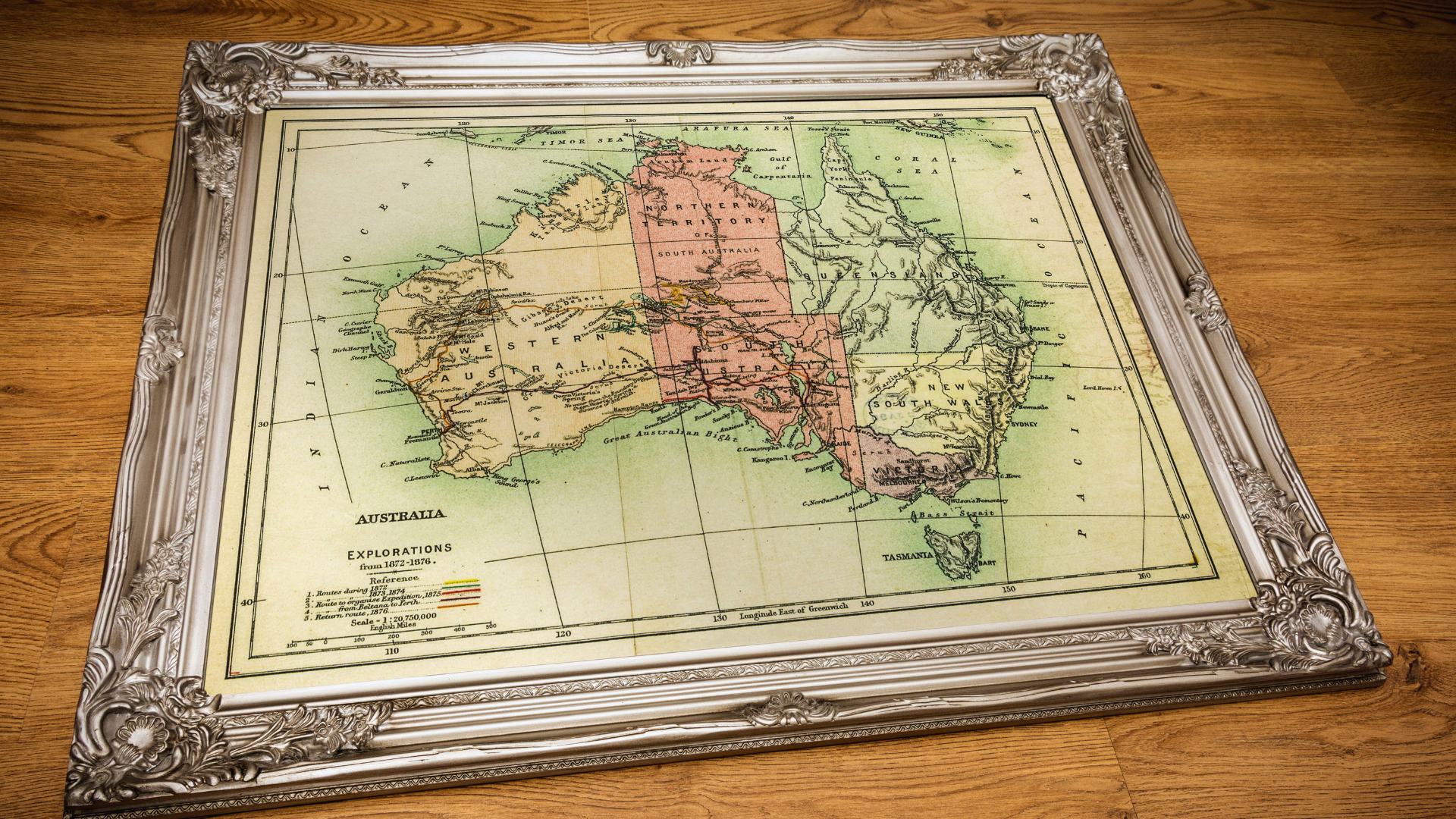
    Vintage world maps serve as striking backdrops for displaying souvenirs. Framed maps can be visually arresting, highlighting the locations of past travels.

    In addition to the map itself, attaching small flags or markers on the areas visited provides an interactive element. This invites viewers to engage with the display and encourages storytelling.

    Using both large and smaller framed maps can create a layered effect on the wall. Combining these maps with related memorabilia displays adds context and enhances the overall design.

    Enhancing Visuals With Retro Travel Posters

    Retro travel posters are visually appealing and evoke nostalgia. They can be featured prominently in a travel-themed display, complementing other souvenirs.

    Positioning these posters alongside photographs or framed maps creates a dynamic visual narrative. Mixing different printing styles helps sustain interest across the display.

    Using high-quality reproductions or originals increases their impact while maintaining authenticity. This strategy allows individuals to celebrate their journeys while contributing to their home’s character.

    Shelf and Tabletop Arrangements for Mementos

    Effective shelf and tabletop arrangements can beautifully showcase historical souvenirs while keeping the space organized. Incorporating creative display techniques enhances the aesthetic and personal narrative of the items.

    Arranging Souvenir Shelf Displays

    When creating a souvenir shelf display, consider grouping items by theme or color. This approach creates visual coherence and draws attention to specific mementos.

    Layering is essential; place taller items at the back and shorter ones in front to maintain depth. Vintage treasures can be highlighted using stands or risers to add height variation.

    Utilize a mix of textures and materials. For example, pairing ceramic pieces with wooden elements creates contrast that catches the eye. This method allows each memento to shine while collectively telling a story about travels and experiences.

    Showcasing Collections With Floating Shelves

    Floating shelves provide a minimalist solution for displaying souvenirs. They eliminate the bulkiness of traditional furniture while offering versatile arrangement options.

    Install shelves at varying heights to create dynamic visual interest. This setup allows for larger items to occupy lower spaces while smaller souvenirs can hang above.

    Grouping by size and color enhances the display’s appeal. For instance, a set of travel souvenirs from different countries can be curated alongside similar-colored decorative accents, creating a cohesive narrative across the shelves.

    Styling With Decorative Accents and Natural Elements

    Incorporating decorative accents can elevate a shelf or tabletop display. Consider adding items like candles, small sculptures, or books to fill empty spaces creatively.

    Natural elements, such as plants or stones, offer a refreshing contrast to souvenir displays. A small potted plant can soften sharp lines and add vibrancy to memorabilia.

    Balance is key; ensure that decorative pieces do not overshadow the souvenirs. She can arrange the souvenirs at the forefront and use accents to frame them without detracting from their significance. This harmonious interplay between souvenirs and accents makes the display inviting and engaging.

    Personalized and Thematic Display Ideas

    Creating a unique and engaging display for historical souvenirs can add character to a home. Several creative options exist for showcasing items like travel mementos, each offering a personalized touch that reflects an individual’s journey.

    Creating a Souvenir Wall for Storytelling

    A souvenir wall acts as a visual narrative of travel experiences. This wall can include various travel mementos such as framed passport stamps, flag patches, and fridge magnets from different locations.

    Arranging these items in a grid or collage style allows for flexibility and creativity. The choice of a background color can enhance the visibility of the souvenirs. Consider using a color palette that matches the room’s décor.

    Visitors can easily engage with these displays, prompting stories and memories associated with each item. A well-curated souvenir wall makes an impactful statement and can inspire personal growth through reflection on past experiences.

    Interactive Displays: Push Pins, City Maps, and Pins

    Interactive displays invite participation and curiosity. Using push pins and city maps, one can create an engaging way to show where travels have taken place. Travelers can place pins in various locations on a map, marking each stop along their journey.

    This method allows for a dynamic display that can evolve over time. People often enjoy revisiting and updating their map with each new adventure. Souvenirs can be pinned nearby, creating a cohesive story for each location.

    Incorporating elements such as sewing pins or decorative pins adds a personal touch to the display, enhancing its visual appeal. This interaction fosters conversations and shared experiences, deepening connections among guests.

    Crafting Memory Jars and Framed Keepsakes

    Memory jars serve as a tactile reminder of travels. They can be filled with small items like ticket stubs, seashells, or even local currency. This method provides an opportunity to capture the essence of a journey in one container.

    Each memory jar can be labeled with a location or date, enhancing the sense of nostalgia. Framed keepsakes, such as dried flowers or artwork collected during travels, can complement the jars and contribute to a gallery-style display.

    These items become functional décor while preserving memories. Combining visual aspects with elements of texture creates an engaging experience, inviting viewers to explore the stories contained within the jars.

    Selecting Lighting and Color Palette to Highlight Displays

    Lighting plays a crucial role in how souvenirs are perceived in a display. Soft LED lights or spotlights can draw attention to specific items, creating focal points that enhance their significance.

    Choosing the right color palette is equally important. A cohesive scheme can tie together various pieces, making the display feel harmonious. Neutral backgrounds often work best, allowing the vibrant colors of the souvenirs to stand out.

    Utilizing metallic frames or warm-toned materials can also create a welcoming atmosphere. Thoughtful lighting and color choices enhance the overall presentation, transforming simple souvenirs into captivating visual displays that resonate with viewers.

  • How to Experience History Through Food and Local Cuisines: A Culinary Journey Through Time

    Food serves as a cultural touchstone, linking people to their history and traditions. To truly experience history, one can immerse oneself in local cuisines, where every dish tells a story of the region’s past, its influences, and its evolution. Traveling to a new place reveals much more than famous landmarks; it also offers the chance to taste the flavors that shaped the community.

    Exploring local dishes not only highlights unique ingredients but also reveals the preparation methods passed down through generations. Every meal comes with context, from the spices of ancient trade routes to the agricultural practices of the area. Engaging with local food allows individuals to connect with the land and its heritage more intimately than traditional sightseeing could provide.

    By seeking out local markets, family-owned restaurants, and traditional food festivals, a rich tapestry of history unfolds. Experiencing history through food creates a deeper appreciation for each culture and contributes to a more nuanced understanding of the world. As they savor each bite, travelers can reflect on the stories behind these culinary traditions and gain insight into the communities that hold them dear.

    Understanding the Connection Between Food, Culture, and History

    Food acts as a vessel for cultural identity, connecting communities to their heritage. Each local cuisine reflects a history influenced by geography, trade, and cultural exchanges. These elements intertwine to create a rich tapestry of traditions and narratives.

    The Role of Local Cuisine in Cultural Identity

    Local cuisine is integral to cultural identity, serving as a symbol of community values and historical experiences. Dishes often embody regional ingredients, cooking techniques, and family recipes passed down through generations.

    For example, the use of spices in Indian cuisine reflects both regional agriculture and the country’s extensive trade history. Similarly, Italian pasta dishes reveal the influence of the Mediterranean landscape and agricultural practices. Food becomes a way for individuals to express pride in their heritage while fostering connections with others.

    How Ingredients and Dishes Tell Stories

    Ingredients used in traditional dishes often highlight local geography and the climatic conditions that shape agricultural practices. Each dish carries a narrative forged through historical events such as migration, colonization, or trade.

    Take tomatoes in Italy; their introduction from the Americas reshaped Italian cooking and identity. In Japan, rice signifies not only sustenance but also cultural rituals and values. These stories are revealed through the preparation and consumption of food, connecting individuals to their past and one another.

    Food Traditions and Heritage

    Food traditions often embody the heritage of a region, reflecting both historical and social contexts. Festivals, communal meals, and cooking practices are often tied to seasonal changes and religious observances, reinforcing shared cultural values.

    For example, the Mexican holiday Día de los Muertos features traditional foods prepared to honor deceased loved ones. In contrast, Thanksgiving in the United States includes dishes that reflect the blending of Native American and European immigrant influences. These traditions create a sense of belonging while preserving cultural narratives, ensuring that history is experienced through the lens of food.

    Immersive Ways to Experience History Through Local Cuisines

    Travelers can engage deeply with a destination’s culture through its culinary offerings. By participating in various food-related activities, they can gain insights into local traditions, ingredients, and preparation methods. Here are some immersive ways to explore history through local cuisines.

    Food Tours and Modern Culinary Adventures

    Food tours provide an excellent opportunity to explore a city’s history through its cuisine. Participants can visit local eateries, markets, and specialty shops, guided by experts who share insights into the origins of popular dishes.

    Many culinary tours focus on specific themes, such as street food, artisanal products, or regional specialities. This thematic approach allows participants to better understand the cultural significance behind each item they encounter.

    Travelers often taste dishes that have been passed down through generations, connecting them to the community’s past. These experiences enrich their understanding of the area’s heritage and food traditions.

    Building on this idea, cultural storytelling through food is no longer limited to traditional travel experiences alone. Curated dining events and immersive culinary experiences now mirror the structure and narrative of food tours, enabling participants to explore regional flavours, histories, and traditions through thoughtfully designed settings.

    Participating in Cooking Classes and Workshops

    Cooking classes offer a hands-on way to learn about local cuisines. Participants can master traditional recipes while understanding the historical context behind each dish.

    Many classes emphasize the use of regional ingredients. This connection to local agriculture provides insights into the area’s climate and farming practices.

    Furthermore, engaging with local chefs can spark discussions about family recipes and culinary techniques. Such interactions foster a deeper appreciation for the cultural narratives tied to food preparation.

    Visiting Local Markets and Food Festivals

    Local markets serve as vibrant hubs of cultural exchange. Here, travelers can witness firsthand the variety of ingredients used in traditional dishes.

    Markets often showcase seasonal produce and artisanal products unique to the region. Visitors can interact with vendors, learning about their practices and the history of their goods.

    Food festivals further enhance this experience, celebrating local flavors and community traditions. Attendees can sample a range of dishes while enjoying performances and activities that reflect the area’s cultural heritage.

    Dining With Locals and Sharing Meals

    Sharing meals with locals can be one of the most authentic travel experiences. Inviting travelers into their homes, residents often share traditional recipes and stories tied to those dishes.

    This communal aspect of dining fosters a sense of belonging and cultural exchange. Travelers learn about the significance of various ingredients and cooking methods directly from those who practice them.

    Such experiences not only provide insight into local history but also create bonds between people from different backgrounds, enriching the travel experience.

    Savoring Regional Specialties and Iconic Dishes

    Experiencing history through food often involves seeking out regional specialties and iconic dishes that reflect local culture and tradition. This section explores must-try local dishes, the vibrant atmosphere of food stalls, and the intricacies of signature recipes.

    Must-Try Local Dishes and Hidden Gems

    Each region boasts its own culinary treasures. For example, New Orleans is famous for its gumbo, a flavorful stew with influences from African, French, and Spanish cuisines. In Naples, one can’t miss the authentic Neapolitan pizza, noted for its thin crust and fresh toppings.

    Many cities also have hidden gems. Tacos al Pastor in Mexico City stand out for their marinated pork, served with pineapple. Diners should prioritize visiting local eateries to discover these specialties. Local chefs often share family recipes that add depth to their dishes, inviting visitors to taste history on their plates.

    Discovering Authentic Flavors at Street Food Stalls and Food Markets

    Street food stalls and vibrant food markets are key to understanding local food culture. In Bangkok, markets like Chatuchak deliver an array of flavors, from som tam (spicy papaya salad) to pad Thai noodles, each reflecting various regional influences.

    Street food provides not just meals but experiences. Vendors often use techniques perfected over generations. Visitors should engage with chefs to learn about ingredients and cooking methods, enriching their appreciation of the dish. The ambiance at these stalls contributes significantly to the overall enjoyment of the culinary journey.

    Exploring Signature Recipes and Cooking Techniques

    Exploring signature recipes reveals the artistry behind regional cuisines. Italian risotto, for instance, showcases specific techniques, such as gradually adding broth to rice for ideal creaminess. Chefs take pride in these cooking approaches, often handed down through generations.

    Proper techniques can transform simple ingredients. In Peru, the preparation of ceviche involves marinating fresh fish in citrus juices, a method that not only flavors but also preserves the fish. Learning these techniques provides deeper insights into the region’s culinary identity and showcases the balance of flavors that define the dishes.

    Preserving Food Heritage and Embracing Culinary Diversity

    Exploring food heritage involves celebrating local ingredients, customs, and the people who create culinary delights. Through rituals and practices, individuals preserve memories and flavors that embody a culture’s identity.

    Celebrating Rituals and Seasonal Ingredients

    Food rituals often reflect community values and seasonal cycles. Festivals centered around local produce, such as harvest celebrations, bring people together to appreciate traditional dishes.

    Seasonal ingredients play a crucial role in this process. Cooking with fresh, local produce enhances flavors and supports local farmers. For instance, using ingredients like heirloom tomatoes in summer dishes captures the essence of the season and connects diners to their surroundings.

    Supporting Sustainable Practices and the Farm-to-Table Movement

    The farm-to-table movement emphasizes the importance of direct relationships between consumers and producers. This approach not only supports local economies but also promotes sustainability through responsible farming practices.

    By choosing seasonal and locally sourced ingredients, chefs reduce carbon footprints associated with transportation. Diners benefit from fresher, more flavorful meals and can feel good about contributing to a sustainable food system.

    Exploring Culinary Horizons With Regional Cuisines

    Diverse regional cuisines reflect the unique geography, climate, and history of a place. Each region offers distinct flavors and techniques shaped by local traditions and available ingredients.

    Embracing these culinary differences allows guests to EXPERIENCE authentic flavors. For example, participating in cooking classes that focus on regional specialties can lead to new gastronomic experiences. Discovering dishes from around the world expands one’s palate and appreciation for culinary arts.

    Recognizing the Role of Home Cooks and Local Chefs

    Home cooks and local chefs play an essential role in preserving food heritage. They often hold family recipes and local knowledge, making them valuable stewards of traditional culinary practices.

    Their contributions to local food culture are significant, whether through pop-up dinners or community cookbooks. Recognizing their efforts helps promote comfort food that carries personal and cultural significance, connecting diners to their ancestors’ culinary legacies.

  • How to Research and Uncover Hidden Historical Gems: A Guide to Discovering Lost Treasures

    How to Research and Uncover Hidden Historical Gems: A Guide to Discovering Lost Treasures

    Uncovering hidden historical gems can transform a routine exploration into an extraordinary journey. Researching local archives, libraries, and online databases is essential for locating lesser-known sites and stories that define a region’s history. Whether seeking forgotten battlefields, hidden landmarks, or obscure historical narratives, a methodical approach yields rewarding discoveries.

    Utilizing resources such as historical societies and community networks enhances the quest for these gems. Engaging with local historians or participating in guided tours can uncover unique perspectives and forgotten tales that often go unnoticed. A combination of digital tools and personal connections can lead to insights that spark excitement and deepen appreciation for history.

    Understanding the significance of context is vital. Many hidden gems reflect broader historical trends and events, offering a more nuanced understanding of the past. By approaching the research with curiosity and diligence, enthusiasts can uncover treasures that enrich their knowledge and experience of history in their communities.

    Understanding Hidden Historical Gems

    Hidden historical gems often hold untold stories and offer unique insights into past cultures. These lesser-known sites allow for a deeper understanding of history, showcasing experiences that mainstream narratives may overlook.

    Defining Hidden Treasures

    Hidden treasures are sites or artifacts that have largely escaped public attention despite their historical value. This could include a small museum in a rural town, an ancient ruin off the beaten path, or even personal letters from historical figures.

    These treasures often possess unique characteristics, such as architectural styles, regional specificities, or unusual events tied to their existence. They require research to discover and appreciate fully. Identifying these gems often involves examining local archives, historical societies, or community histories.

    The Importance of Lesser-Known Historical Sites

    Lesser-known historical sites contribute significantly to the broader understanding of history. They offer insights into niche narratives or underrepresented communities, broadening the scope beyond famous landmarks.

    Visiting these sites fosters appreciation for diverse historical contexts. For instance, examining local landmarks can reveal how regions were impacted by major events, from wars to migrations. This enriches knowledge about cultural heritage and promotes preservation efforts that might otherwise be neglected.

    Recognizing Historical Significance

    Understanding the historical significance of these hidden gems requires critical analysis. They often encapsulate unique stories and experiences that provide context to larger historical events.

    While mainstream history focuses on major occurrences, hidden sites reveal personal tales, struggles, or achievements. Recognizing this significance leads to a fuller narrative, helping individuals connect more deeply with history.

    Researchers and historians often emphasize the need to explore these sites’ roles in shaping identity and community values. By doing so, they highlight the importance of preserving these spaces for future generations.

    Research Techniques for Uncovering Historical Sites

    Uncovering hidden historical sites requires a blend of traditional research methods and modern technology. By leveraging various resources, individuals can gain deeper insights into the rich history of specific locations.

    Using Digital Archives and Historical Maps

    Digital archives serve as essential resources for historical research. They house vast collections of documents, photographs, and maps that often remain inaccessible in physical libraries. Researchers can access platforms such as the National Archives or local digital collections to find primary sources related to specific landmarks.

    Historical maps provide valuable context and can reveal how an area has changed over time. Comparing old maps with current ones helps identify forgotten pathways, buildings, or land uses no longer visible. Understanding spatial history through these archives can uncover sites of significance.

    Consulting Local Historians and Storytelling

    Local historians possess in-depth knowledge about the unique history of their region. They often share stories that have not been documented elsewhere, offering insights into lost landmarks and cultural contexts. Engaging with these individuals can lead to discovering hidden gems.

    Storytelling is a critical aspect of local history. Oral traditions often contain useful information about events, places, and people that may not be in formal records. These narratives can guide researchers to lesser-known historical sites and artifacts tied to local culture.

    Exploring Museums and Cultural Institutions

    Museums and cultural institutions are treasure troves for historical artifacts and records. They frequently curate exhibitions centered on local history, providing invaluable context about specific regions. Visiting these resources allows researchers to engage with experts who can offer further information about historical sites.

    Many museums also have archives that include documents, photographs, and maps. These materials can lead researchers to lesser-known but historically significant areas. Participating in guided tours or lectures can enhance one’s understanding of the area’s past.

    Utilizing Modern Tools: GPS, Compass, and Online Resources

    Modern technology greatly enhances historical research. GPS devices can help locate historical sites accurately, while compasses assist in navigating less-charted areas. These tools are particularly beneficial when exploring remote locations or conducting field studies.

    Online resources, including social media groups and forums, can facilitate collaboration among history enthusiasts. Platforms like Google Earth can visualize historical changes over time, allowing researchers to pinpoint areas of interest. Using these tools streamlines the search for historical sites and provides a structured approach to uncovering the past.

    Planning Your Authentic Historical Adventure

    Creating an engaging travel experience requires careful planning. Consider how to blend guided tours with self-directed exploration, and account for any necessary permits or regulations.

    Creating Your Travel Itinerary

    To create a travel itinerary, start by identifying key historical sites of interest. Research historical tours that offer insights into lesser-known locations.

    Organize destinations based on proximity to minimize travel time and maximize exploration.

    Include specific details such as:

    • Timing: Allocate time for each site based on available information.
    • Transportation: Plan how to get to each location.
    • Refreshment breaks: Incorporate stops for water, snacks, or meals at nearby restaurants.

    Staying flexible is essential. Unexpected discoveries might require adjustments to the itinerary.

    Guided Tours Versus Self-Guided Exploration

    Guided tours provide a wealth of knowledge and context. They often have access to sites that might be restricted to general visitors. However, self-guided exploration allows for a more intimate experience with history.

    Considerations for each option include:

    • Guided Tours:

      • Expert insights and narratives.
      • Organized itineraries with convenience.
    • Self-Guided:

      • Flexibility to explore at one’s own pace.
      • Opportunities to go “off the beaten path.”

    By weighing the benefits of each, travelers can decide which approach best suits their historical adventure.

    Navigating Boundaries and Obtaining Permits

    Travelers must be aware of local boundaries and regulations that govern historical sites. Some locations may require permits to access, particularly in protected areas.

    Steps to ensure compliance include:

    • Research: Investigate local regulations for each site.
    • Permits: Apply in advance where required to avoid delays.
    • Contact Authorities: Reach out to local historical societies or tourism boards for guidance.

    Being informed helps to ensure a smooth adventure without unexpected disruptions. Understanding regulations adds to the authenticity of the travel experience.

    Immersing Yourself in Local Culture and Supporting Communities

    Engaging with local culture enhances the research experience and uncovers hidden historical gems. By connecting with history, supporting preservation, and embracing architectural landmarks, individuals gain unique insights and foster community pride.

    Connecting With Local History and Personal Stories

    Locals often possess invaluable insights about their town’s history, offering personal narratives that enrich understanding. Engaging with community members through interviews or storytelling events can reveal layers of history that aren’t documented in books.

    Key Actions:

    • Attend local festivals and events
    • Participate in oral history projects
    • Visit community centers or libraries

    These connections create authentic cultural experiences and foster a sense of belonging. Additionally, individuals can uncover unique stories linked to ancient ruins or historical landmarks that might not be widely recognized.

    Supporting Preservation Efforts

    Preserving local heritage is crucial for maintaining historical integrity. Contributing to local preservation organizations or participating in restoration projects helps safeguard significant sites.

    Ways to Support:

    • Volunteer for local heritage initiatives
    • Donate to preservation funds
    • Participate in clean-up days at historical sites

    This active involvement not only protects architectural landmarks but also instills a sense of pride within the community. Such efforts ensure future generations can appreciate the unique cultural heritage of their area.

    Experiencing Unique Architectural Landmarks

    Exploring historical architecture offers a tangible link to the past. Historic towns often feature distinct styles that reflect their cultural influences and history.

    Notable Features:

    • Unique designs of local churches or civic buildings
    • Traditional homes that showcase local craftsmanship
    • Iconic structures like the Colosseum or lesser-known gems

    Visitors can immerse themselves by taking guided tours focused on architectural history. This firsthand experience fosters a deeper appreciation for the significance of these landmarks and the communities that cherish them.

  • The 7 Wonders of the World: Exploring Humanity’s Greatest Architectural Achievements

    The 7 Wonders of the World: Exploring Humanity’s Greatest Architectural Achievements

    The Seven Wonders of the World represent extraordinary feats of human ingenuity and artistry. These remarkable structures, ranging from ancient marvels to modern masterpieces, offer a glimpse into the diverse cultures and histories that shaped our planet. Travelers often include these wonders on their bucket lists, seeking to experience the awe-inspiring beauty and historical significance they embody.

    From the Great Wall of China to Machu Picchu in Peru, each wonder tells a unique story, reflecting the values and aspirations of its era. Exploring these sites presents an opportunity to connect with the past while appreciating the craftsmanship that continues to inspire generations. Whether one is an avid traveler or a history enthusiast, the wonders of the world beckon with promises of adventure and discovery.

    The Seven Wonders of the Ancient World

    The Seven Wonders of the Ancient World represent remarkable achievements in architecture and artistry. These structures reflect the cultural significance and historical importance of their time, leaving a lasting impact on civilizations across the Mediterranean.

    Origins and Historical Context

    The Seven Wonders of the Ancient World were primarily cataloged by Antipater of Sidon in the 2nd century BC. Each wonder was a testament to the ingenuity and creativity of ancient civilizations.

    The Great Pyramid of Giza stands out as the only surviving wonder. Constructed around 2580–2560 BC, it served as a monumental tomb for Pharaoh Khufu. The other wonders were built during the Hellenistic period, showcasing advancements in engineering and art.

    Each site, from Babylon’s gardens to the Lighthouse of Alexandria, encapsulated the cultural and architectural aspirations of their age, often funded by influential leaders and wealthy patrons.

    Descriptions of the Ancient Wonders

    • Great Pyramid of Giza: The oldest and largest of the wonders, this pyramid is made from limestone and granite.
    • Hanging Gardens of Babylon: Allegedly built by Nebuchadnezzar II, these terraced gardens are described as a stunning feat of engineering, although their existence remains debated.
    • Statue of Zeus at Olympia: Created by Phidias, this massive statue celebrated the god Zeus, crafted from ivory and gold-plated bronze.
    • Temple of Artemis at Ephesus: This grand temple honored the goddess Artemis, featuring magnificent sculptures and architecture that drew visitors from afar.
    • Mausoleum at Halicarnassus: A tomb dedicated to Mausolus, this structure combined Greek, Egyptian, and Lycian design elements.
    • Lighthouse of Alexandria: Known as the Pharos of Alexandria, it guided sailors safely to the harbor and showcased advanced engineering of the time.
    • Colossus of Rhodes: A gigantic statue of the sun god Helios, it symbolized Rhodes’ victory over Cyprus and became a marvel of bronze construction.

    Legacy and Influence

    The ancient wonders profoundly influenced art, architecture, and philosophy. Their designs set benchmarks for future generations, inspiring monumental structures throughout history.

    Remnants of these wonders and their stories have sparked curiosity and exploration. Earthquakes destroyed many, yet they remain etched in cultural memory.

    Their legacy persists through literature, art, and tourism, illustrating how human creativity can transcend time and build connections across cultures. The Seven Wonders continue to inspire exploration of ancient civilizational achievements and their contributions to humanity.

    The New Seven Wonders of the World

    The New Seven Wonders of the World represent a selection of extraordinary human-made structures from different cultures and epochs. These sites not only showcase architectural brilliance but also embody historical and cultural significance.

    Selection Process and Global Recognition

    In 2007, the New7Wonders Foundation conducted a global poll to determine the New Seven Wonders. With over 200 nominations from the UNESCO World Heritage list, millions of votes were cast online and through mobile devices. The final selections were aimed at highlighting the most iconic and culturally significant sites around the globe.

    This initiative aimed to raise awareness and appreciation for cultural heritage. The selected wonders represent diverse civilizations, including the Mayans, Incas, and Nabateans.

    Detailed Overview of the New Wonders

    • Great Wall of China
      A monumental feat, this ancient fortification spans thousands of miles and symbolizes defense and perseverance.
    • Petra, Jordan
      Known as the “Rose City,” Petra showcases Nabatean architecture with its stunning rock-cut structures.
    • Christ the Redeemer, Brazil
      This iconic statue overlooks Rio de Janeiro, representing peace and unity through its towering presence.
    • Machu Picchu, Peru
      An ancient Inca citadel nestled in the Andes, Machu Picchu exemplifies the ingenuity of Inca engineering.
    • Chichen Itza, Mexico
      A prominent Mayan city, it features the famous pyramid El Castillo, reflecting the civilization’s advanced astronomical knowledge.
    • Roman Colosseum, Italy
      An enduring symbol of ancient Rome, the Colosseum was an arena for gladiatorial contests and public spectacles.
    • Taj Mahal, India
      This mausoleum, built by Shah Jahan, is renowned for its exquisite beauty and intricate craftsmanship.

    Each of these sites is recognized for its historical significance and architectural marvel, receiving protection under UNESCO World Heritage guidelines.

    The Seven Natural Wonders of the World

    Natural wonders showcase the breathtaking beauty and diversity of Earth’s landscapes. The following sections outline prominent examples that captivate millions each year.

    Identifying Natural Wonders

    The Seven Natural Wonders of the World include remarkable sites recognized for their extraordinary beauty and natural significance. Notable examples are:

    • Grand Canyon: This immense canyon in Arizona offers stunning vistas and geological significance.
    • Great Barrier Reef: The largest coral reef system is located in Australia and is rich in marine biodiversity.
    • Victoria Falls: Straddling the border between Zambia and Zimbabwe, it is one of the largest and most famous waterfalls.
    • Mount Everest: Known as the highest peak on Earth, it stands at 29,032 feet above sea level.
    • Iguazu Falls: This massive waterfall system in South America is famed for its natural beauty and powerful flow.
    • Aurora Borealis: These polar lights present vibrant colors in the night sky, primarily in high-latitude regions.
    • Amazon Rainforest: As the largest rainforest, it is critical for biodiversity and climate regulation.

    Highlights of the Natural Wonders

    Each wonder offers unique attributes that attract visitors and researchers alike.

    • Grand Canyon: Renowned for its intricate and colorful landscape, it reveals millions of years of geological history.
    • Great Barrier Reef: Home to thousands of species, this reef faces environmental challenges, highlighting conservation efforts.
    • Victoria Falls: With a width of over a mile and a height of 108 meters, it creates a spectacular display, especially during the rainy season.
    • Mount Everest: Trekking to its base camp is a popular adventure, attracting climbers from around the globe.
    • Iguazu Falls: Comprised of 275 individual falls, it is recognized as a UNESCO World Heritage site.
    • Aurora Borealis: The best viewing spots include Norway, Canada, and Alaska, where the lights dance in vibrant greens and purples.
    • Amazon Rainforest: It supports an unparalleled range of wildlife and acts as a vital carbon sink.

    These natural wonders embody Earth’s beauty and behavior, serving as reminders of nature’s power and fragility.

    Other Influential Wonders and Cultural Sites

    Beyond the traditional Seven Wonders of the World lie numerous influential sites, each with remarkable historical and cultural significance. This section presents notable wonders from both the medieval and modern eras, as well as significant architectural and historical sites that continue to captivate audiences.

    Medieval and Modern Era Wonders

    The architectural achievements of the medieval era are exemplified by Cluny Abbey and Ely Cathedral. Cluny Abbey, located in France, was once the largest monastery in the world and served as a model for Romanesque architecture. Its influence on monastic design extended throughout Europe.

    In the modern era, the Leaning Tower of Pisa stands out not just for its unintended tilt but also for its exquisite Romanesque architecture. The structure showcases the ingenuity of medieval builders and remains a symbol of Italy’s rich cultural heritage. Both of these sites highlight the importance of architectural innovation across various eras.

    Notable Architectural and Historical Sites

    Stonehenge, a prehistoric monument in England, possesses both historical and cultural significance. Constructed around 2500 BC, it reflects the advanced engineering skills of ancient civilizations. Stonehenge attracts millions of visitors and continues to be a subject of research and debate regarding its purpose and construction methods.

    The Hagia Sophia in Istanbul represents a pinnacle of Byzantine architecture, initially built as a cathedral and later converted into a mosque. Its vast dome and intricate mosaics symbolize the convergence of Christian and Islamic cultures. Each of these sites reveals diverse aspects of human creativity and resilience throughout history.

  • The History Behind the Most Iconic Travel Destinations: Uncovering Their Cultural Significance and Legacy

    The History Behind the Most Iconic Travel Destinations: Uncovering Their Cultural Significance and Legacy

    Travel destinations often carry rich histories that reflect cultural and societal developments over time. Understanding the origins of these iconic places reveals how they became symbols of beauty, adventure, and heritage. Each destination holds stories of transformation, influenced by historical events, architecture, and the mingling of diverse cultures.

    For instance, the ancient ruins of Rome echo the grandeur of an empire that once dominated the world. Similarly, the Great Wall of China stands as a testament to the ingenuity and determination of the nation throughout the centuries. These examples illustrate how history shapes not only the physical aspects of destinations but also the experiences travelers seek.

    Exploring these well-known sites provides visitors with a deeper appreciation for their significance. The stories behind the Eiffel Tower, the Pyramids of Giza, and the Taj Mahal inspire a connection that enriches the travel experience. Understanding their histories enhances the journey, making each visit far more than a mere sightseeing excursion.

    Origins and Evolution of Iconic Travel Destinations

    Travel destinations have their roots in ancient civilizations and evolve through significant shifts in culture and architecture. Their ongoing allure stems from a blend of history, human ingenuity, and the cultural heritage that each site embodies.

    Ancient Civilizations and Their Enduring Legacy

    Ancient civilizations such as the Egyptians, Greeks, and Romans laid the groundwork for iconic destinations. The Great Pyramids of Giza exemplify Egyptian innovation and draw millions due to their historical significance and mystique.

    In Greece, landmarks like the Parthenon symbolize not only architectural prowess but also cultural ideals of democracy and philosophy. Similarly, Roman structures like the Colosseum display engineering mastery while telling stories of societal values and entertainment. These sites remain timeless links to early human achievements, captivating travelers with their historical context.

    The Rise of Architectural Marvels Across Continents

    The evolution of travel destinations reflects the rise of architectural marvels across continents. Structures such as the Taj Mahal in India merge artistry with deep emotional significance, attracting visitors who explore its rich history.

    In South America, Machu Picchu represents the ingenuity of the Inca civilization, showcasing advanced agricultural terraces and celestial alignments. European cathedrals, such as Notre-Dame de Paris, highlight grand Gothic architecture and community devotion, further enhancing their status as travel icons. Each architectural achievement not only conveys beauty but also encapsulates the cultural narratives of its respective era.

    Cultural Heritage and Human Ingenuity

    Cultural heritage plays a vital role in the evolution of travel destinations. Places like Angkor Wat in Cambodia reveal the artistic talents and religious beliefs of the Khmer Empire. These sites are not merely relics but living expressions of human creativity.

    Festivals, traditional crafts, and local cuisines associated with iconic destinations further enrich their appeal. They invite travelers to engage with history and appreciate multiculturalism. The integration of these elements showcases how human ingenuity transforms ordinary locations into extraordinary places of interest, merging the past and present.

    Unveiling the Stories Behind the World’s Most Iconic Landmarks

    Travel destinations often hold captivating stories that reveal cultural values and historical significance. The following encounters with iconic landmarks offer insight into their crucial roles in shaping civilizations.

    The Great Wall of China: Defense and Dynasty

    The Great Wall of China stretches over 13,000 miles, built primarily between the 7th century BC and the 16th century. Its construction involved multiple dynasties, including the Qin and Ming.

    Originally aimed at defending against invasions from nomadic tribes, it also facilitated trade and control over the Silk Road. Workers, including soldiers, criminals, and peasants, labored under difficult conditions.

    The wall is not a single continuous structure but a series of walls and fortifications. Today, it symbolizes Chinese strength and historical perseverance.

    Pyramids of Giza: Ancient Egyptian Culture and Engineering

    The Pyramids of Giza, constructed around 2570 BC, showcase the sophisticated engineering of ancient Egypt. The most famous, the Great Pyramid, served as a tomb for Pharaoh Khufu.

    Built using approximately 2.3 million blocks of stone, its precise alignment with cardinal points demonstrates advanced architectural knowledge. The pyramids reflect beliefs in the afterlife, highlighting the importance of burial practices in ancient Egyptian culture.

    Additionally, they symbolize the societal structure, showcasing the power and vision of the pharaohs during a time of monumental accomplishments.

    Machu Picchu: Incan Civilization and Rediscovery

    Machu Picchu, often called the “Lost City of the Incas,” was built in the 15th century during the reign of Emperor Pachacuti. This site sits high in the Andes Mountains, exemplifying Incan architectural prowess.

    The site includes terraced fields, temples, and residential areas, illustrating the Incas’ ability to adapt to their mountainous environment. Its purpose likely remains a mystery, although theories suggest it was a royal estate or a religious site.

    Rediscovered in 1911 by Hiram Bingham, Machu Picchu has become a symbol of Incan heritage, attracting thousands of visitors annually.

    Colosseum and Roman Forum: Roman Empire and Entertainment

    The Colosseum, built around AD 70-80, stands as an iconic symbol of the Roman Empire. This architectural marvel could hold up to 80,000 spectators, hosting gladiatorial contests and public spectacles.

    Adjacent to it, the Roman Forum served as the heart of political, social, and economic life in ancient Rome. This area included temples, marketplaces, and government buildings, facilitating civic engagement and cultural activities.

    Both landmarks represent the grandeur of Roman architecture and the complexities of Roman society, reflecting a civilization that made a lasting impact on history.

    Architectural Brilliance and Cultural Significance Worldwide

    Across the globe, iconic travel destinations showcase remarkable architectural achievements and rich cultural histories. From ancient temples to well-preserved landmarks, each site reflects the ingenuity and artistry of its time.

    Angkor Wat and Khmer Architecture

    Angkor Wat, located in Cambodia, stands as a pinnacle of Khmer architecture. Constructed in the early 12th century, it originally served as a Hindu temple dedicated to the god Vishnu. The structure embodies universal concepts in its vast layout, showcasing intricate bas-reliefs that depict historical and mythical narratives.

    Its architectural style includes the use of sandstone blocks carved with precision. The temple complex exemplifies a blend of functionality and aesthetic elegance. It is surrounded by a moat and encompasses multiple enclosures, emphasizing both grandeur and spiritual symbolism. Today, Angkor Wat is a UNESCO World Heritage site, attracting millions of visitors yearly.

    Petra and the Wonders of Ancient Engineering

    Petra, known as the “Rose City,” is a historical and archaeological marvel in Jordan. Carved into rose-red cliffs, it showcases the ingenuity of the Nabataean people. Dating back to the 5th century BCE, this city features sophisticated water conduit systems, ensuring survival in a harsh desert environment.

    Notable structures include Al-Khazneh, or the Treasury, famous for its facade adorned with Corinthian columns. The integration of Hellenistic architectural styles reflects a blend of cultural influences. Petra’s significance lies not only in its grand architecture but also in its role as a vital trading hub in ancient times.

    Acropolis and Parthenon: Greek Innovation

    The Acropolis of Athens is a symbol of ancient Greece and democracy, with the Parthenon at its heart. Completed in the 5th century BCE, this temple dedicated to Athena demonstrates Classical architectural principles, including Doric columns and sophisticated symmetry.

    The use of entasis, a slight curvature in columns, creates an illusion of perfection. The Parthenon’s friezes and sculptures tell rich stories of Greek mythology. As a UNESCO World Heritage site, the Acropolis remains a testament to artistic excellence and civic pride in ancient civilizations.

    Alhambra and Cross-Cultural Influences

    The Alhambra, located in Granada, Spain, exemplifies Moorish architecture and its influence on European styles. Built during the Nasrid dynasty in the mid-13th century, this palatial fortress showcases intricate tile work, stucco ornamentation, and expansive gardens.

    Its layout includes notable structures such as the Nasrid Palaces and the Generalife gardens, reflecting a deep connection with nature. The architectural blend illustrates a cultural crossroads, integrating Islamic and Christian elements after the Reconquista. The Alhambra has become an enduring symbol of Spain’s rich and complex history, attracting admirers from around the world.

    Modern Impact and Ongoing Legacy of Historic Landmarks

    Historic landmarks continue to shape modern culture and tourism. Their influence extends beyond mere attractions, impacting communities and fostering pride. These sites embody history, culture, and the stories that connect the past to the present.

    Influence on Tourism and Travel Experiences

    Historic landmarks play a central role in global tourism. They attract millions each year, providing unique travel experiences. Places like the Eiffel Tower in Paris and Chichen Itza in Mexico draw visitors not only for their beauty but also for their historical significance.

    Travelers seek authentic interactions at these sites, enriching their experiences. Iconic landmarks facilitate educational opportunities, as visitors learn about the culture and history surrounding them. Local economies benefit significantly, with tourism generating jobs and income.

    UNESCO World Heritage Sites and Preservation

    UNESCO World Heritage Sites represent cultural and natural treasures significant to humanity. Sites like Stonehenge and Borobudur exemplify the balance between preserving history and accommodating tourism. UNESCO designations promote global awareness, encouraging countries to prioritize the conservation of these landmarks.

    These sites often inspire community pride and engagement. Local populations play critical roles in preserving history and sharing stories, which deepens connections among residents and visitors. Preservation efforts ensure that future generations can appreciate and learn from these important locations.

    Iconic Structures of the Modern Era: Eiffel Tower and Statue of Liberty

    The Eiffel Tower and the Statue of Liberty exemplify iconic modern landmarks that symbolize broader cultural values. The Eiffel Tower, completed in 1889, has become synonymous with Paris, representing artistic innovation and French culture.

    The Statue of Liberty, dedicated in 1886, stands as a beacon of freedom and democracy in the United States. Both structures inspire awe and attract millions, reinforcing their roles as symbols of hope and hospitality. They resonate with visitors, making them vital parts of the cities’ identities.

    Interactive Exhibits and Storytelling in Historical Sites

    Many historic sites now feature interactive exhibits to engage visitors. Storytelling enhances the travel experience, connecting guests to the history behind each landmark. These narratives enrich the understanding of places like Chichen Itza and Stonehenge, making each visit more meaningful.

    Technology, including augmented reality apps and guided tours, allows visitors to access deeper insights about the sites. This interaction fosters a sense of connection and appreciation for the shared cultural history. Sites adapt to modern expectations while preserving their core stories, ensuring relevance in a changing world.

  • The Importance of Exploring Local History in Your Own Community

    The Importance of Exploring Local History in Your Own Community

    Exploring local history offers individuals a unique opportunity to connect with their community in meaningful ways. By engaging with the past, residents can foster a deeper appreciation for their surroundings and the stories that have shaped their neighborhood. This exploration often reveals hidden narratives that contribute to a sense of identity and belonging, enhancing the community’s cultural fabric.

    Local history also serves as a foundation for understanding contemporary issues. As individuals learn about the struggles and triumphs of those who came before them, they can draw parallels to modern challenges and recognize patterns over time. This knowledge empowers citizens to contribute to their community more effectively and make informed decisions based on historical context.

    Additionally, investigating local history can be a catalyst for community involvement. Local events, such as historical tours, heritage fairs, or storytelling sessions, encourage participation and strengthen communal ties. When individuals immerse themselves in the rich narratives of their area, they foster a collective pride that inspires future generations to preserve and celebrate their heritage.

    Understanding Local History and Its Community Impact

    Exploring local history enriches community identity and strengthens connections among residents. It fosters a deeper understanding of heritage and informs current societal dynamics. This section addresses the significance of local history and its impact on community engagement.

    Defining Local History and Its Scope

    Local history encompasses the study of communities and their development over time. It includes not just events or figures, but also the everyday lives of residents. By examining local history, individuals gain insight into their community’s unique heritage.

    Key areas of focus include:

    • Historical events
    • Architectural heritage
    • Cultural traditions

    Understanding these elements helps highlight the community’s distinct characteristics and challenges. This intimate knowledge fosters pride and belonging. It contributes to communal identity, recognizing the interconnectedness of residents with their surroundings.

    The Role of Community in Preserving The Past

    Communities play a pivotal role in preserving local history. Their engagement ensures that stories remain alive and relevant. This can take shape in various ways, such as:

    • Organizing historical societies
    • Curating local museums
    • Hosting educational programs

    Community members often collaborate to collect oral histories, photographs, and artifacts. Such initiatives encourage active participation and inclusivity. They empower individuals to share their experiences, reinforcing bonds among diverse populations.

    Connections Between Local and Broader Historical Contexts

    Local history does not exist in isolation. It interacts with national and global narratives, revealing common themes and contrasts. For instance, local events may reflect larger historical movements like migration or industrialization.

    By understanding these connections, individuals can see how local histories contribute to broader contexts. They learn how local identity shapes and is shaped by national culture. This perspective enriches their appreciation for both their community and the world at large.

    Educational and Personal Benefits of Exploring Local History

    Exploring local history offers numerous advantages, particularly in education and personal experiences. It enriches knowledge, strengthens community ties, and fosters lifelong learning.

    Enhancing Education Through Local Narratives

    Local history provides rich educational opportunities that shape understanding of broader historical contexts. Schools often incorporate local narratives into their curricula, bridging gaps between national history and community experiences.

    Students engage with primary sources such as letters, photos, and interviews from local residents. These materials promote critical thinking and analytical skills. Understanding history from a local perspective helps students relate better to their studies.

    For educators, involving local history makes lessons more relevant and engaging. Students are more likely to participate when they can see connections to their lives, resulting in deeper learning.

    Fostering a Sense of Identity and Belonging

    Engaging with local history fosters a strong sense of identity. People often feel more connected to their community when they learn about its past.

    By understanding local traditions, values, and stories, individuals develop pride in their heritage. This connection can lead to increased civic involvement and a desire to preserve local culture.

    Many people choose to start fresh in a new city to find better jobs or a different way of life. This change often has many requirements like research into the local area and its specific needs.

    For example, Moving to Las Vegas means learning about the desert heat and how people get around the valley. New residents adapt to these daily realities while they build their new lives.

    Understanding these practical details helps someone feel at home much faster. It makes the transition into the local culture much easier for everyone involved.

    Communities also benefit from shared narratives that strengthen bonds among residents. Local events, such as historical reenactments or festivals, promote collective memory, encouraging participation and celebration of cultural diversity.

    Building Personal Connections to the Community

    Exploring local history allows individuals to forge personal connections with their community. By engaging with historical sites or events, they gain insight into their neighbors’ experiences.

    These interactions can lead to valuable relationships and collaborations. For example, local historical societies often host events that encourage community participation, promoting networking among residents.

    When people understand their community’s history, they often feel more invested in participating in local affairs. This sense of ownership contributes to community development and empowerment.

    Promoting Lifelong Learning and Critical Thinking

    Local history serves as a catalyst for lifelong learning. Engaging with community history encourages curiosity about the past and opens avenues for deeper research.

    Individuals may undertake projects that involve collecting oral histories or researching local landmarks. Such activities foster critical thinking and analytical skills, as one must evaluate sources and interpret findings.

    Workshops, lectures, and community programs often focus on local history, providing opportunities for ongoing education. This commitment to learning cultivates an informed citizenry and strengthens community resilience.

    Methods for Discovering and Preserving Local History

    Exploring and preserving local history involves engaging with various resources, institutions, and community narratives. This section outlines key methods that individuals can use to connect with their community’s heritage.

    Exploring Primary Sources and Oral Histories

    Primary sources are original documents or artifacts that provide firsthand accounts of historical events. Examples include letters, photographs, and newspapers. These materials offer valuable insights into local narratives.

    Oral histories are personal recollections collected through interviews. They capture individual experiences and perspectives, enriching the community’s historical landscape.

    To find primary sources, community members can visit local archives, libraries, or historical societies. Engaging with older generations can yield oral histories that reflect their lived experiences, further illuminating the past.

    Engaging with Local Museums and Historical Societies

    Local museums serve as custodians of regional heritage. They often house artifacts, exhibits, and documents that depict the community’s history. Museums are essential for education and exploration.

    Historical societies play a vital role in research and preservation efforts. They often organize events, workshops, and talks to engage the community further. Becoming a member allows individuals to access resources and contribute to preservation efforts.

    Visiting these institutions fosters connections with history, providing opportunities to learn, volunteer, and facilitate community programs.

    Storytelling as a Tool for Cultural Preservation

    Storytelling is a powerful way to pass down cultural heritage. It transforms historical accounts into narratives that resonate emotionally with audiences. Through storytelling, individuals can connect experiences from the past to the present.

    Community events such as storytelling nights encourage the sharing of local tales. This practice strengthens social bonds and keeps history alive. Utilizing platforms like local podcasts or neighborhood gatherings can broaden the reach of these stories.

    Engaging in storytelling helps ensure that the community’s heritage endures, allowing future generations to understand and appreciate their roots.

    Celebrating Community Heritage and Landmarks

    Exploring local history fosters a deep appreciation for community heritage and the significance of landmarks. Engaging with traditions, recognizing historical markers, and commemorating events brings communities together.

    Recognizing Local Traditions and Customs

    Local traditions and customs enrich community identity. They often reflect the historical journey of the area and shape its cultural landscape. Festivals, crafts, and culinary practices passed down through generations embody unique stories.

    For example, regional dances or crafts can reveal the influences of various cultures on a community. Engaging in these practices allows residents to connect with their roots. Participation in local events fosters pride and ensures that these traditions are preserved for future generations.

    Appreciating Historical Landmarks and Markers

    Historical landmarks serve as tangible connections to the past. They provide insights into the architectural styles, social structures, and historical events that shaped the community.

    Markers often denote significant locations such as battlefields, homesteads, or sites of industrial innovation. Visiting these sites encourages individuals to reflect on their local history and its impact on contemporary society. Preservation efforts ensure that these landmarks remain intact for educational purposes and community pride.

    Commemorating Significant Historical Events

    Marking significant historical events is vital to community awareness and education. This may include memorials for local heroes or celebrations of pivotal moments in history.

    Communities can organize events, such as parades or reenactments, to honor these occasions. These activities not only pay tribute to the past but also create opportunities for dialogue about progress and change. Educating residents about these events fosters a robust understanding of local history and its continuing relevance.

    Through the recognition of traditions, appreciation of landmarks, and commemoration of events, communities can celebrate their rich heritage meaningfully and memorably.