Category: Life Style

  • Creative Ways to Display Historical Souvenirs at Home: Ideas for Showcasing Your Treasures

    Creative Ways to Display Historical Souvenirs at Home: Ideas for Showcasing Your Treasures

    Displaying historical souvenirs can transform a home into a personal museum, showcasing stories from the past. Creative arrangements and innovative uses of space can highlight these treasures while adding unique character to any room. By integrating these pieces into daily life, they become conversation starters that engage guests and foster appreciation for history.

    Using shadow boxes, glass cloches, or curated shelves allows for diverse presentation methods. Each choice can reflect the owner’s personality and the significance of the items. From family heirlooms to travel keepsakes, the right display can elevate the aesthetic of a space while sparking memories and discussions.

    Incorporating elements like themed displays or seasonal rotations can keep the presentation fresh and exciting. This not only honors the objects but also invites others to share in the narratives they represent. Creative displays breathe new life into treasured items, enriching both the home and the experiences of those who inhabit it.

    Fundamental Principles for Showcasing Historical Souvenirs

    Displaying historical souvenirs effectively enhances their significance and preserves memories from travels. Thoughtful presentation can integrate them into home decor while highlighting their uniqueness. The following principles provide guidance on how to showcase these items meaningfully.

    Understanding the Value of Souvenirs

    Souvenirs are more than simple trinkets; they represent personal histories and cultural significance. Each item carries a story, connecting the owner to specific moments or places. Recognizing this value helps in selecting pieces that resonate emotionally.

    Creating a narrative around each souvenir can deepen appreciation. For example, artifacts from trips can be categorized by destination or theme. Labels or small tags with details about their origin or the experiences associated with them can enhance the storytelling aspect.

    Incorporating these narratives into displays transforms ordinary home decor into a gallery of memories. This consideration elevates the role of the souvenir from mere decoration to a focal point in the home.

    Blending Souvenirs Into Home Decor

    Integrating souvenirs into home decor requires sensitivity to aesthetics and context. Items should complement the existing style of the space. Therefore, choosing pieces that align with the color palette and design theme is crucial.

    Souvenirs can be displayed in various ways, such as shadow boxes, open shelves, or framed collages. Grouping smaller items together offers a cohesive look. Contrast in sizes and shapes can create visual interest, drawing attention without overwhelming the space.

    Using display cases or glass domes protects delicate items while maintaining visibility. Adding lighting can highlight these features effectively. Combining souvenirs with plants or artwork can create an inviting atmosphere, making them a conversation starter.

    Selecting the Right Location for Displays

    Location is critical for showcasing souvenirs effectively. High-traffic areas, such as living rooms or hallways, are ideal for displays that should capture attention. Conversely, more private areas like bedrooms may better suit personal items.

    Vertical space can be utilized by installing floating shelves. This approach not only saves room but also allows for creative arrangement. Consideration of light exposure is important; items should be placed where they won’t be damaged by direct sunlight or temperature fluctuations.

    Regularly rotating displayed items keeps the decor fresh and maintains interest. Strategic placement can create a narrative around the journey, showcasing different phases of travel or significant experiences.

    Creative Wall Display Techniques

    Creative wall display techniques allow individuals to showcase their cherished historical souvenirs in engaging and aesthetically pleasing ways. These techniques transform walls into visual narratives that celebrate travel experiences and meaningful artifacts.

    Designing a Travel Gallery Wall

    Creating a travel gallery wall involves curating a collection of travel photos, postcards, and other memorabilia. Each piece should resonate with personal stories or memorable trips.

    One effective approach is to use a variety of frame styles and sizes. This adds depth and character to the display. Arranging the frames in a grid pattern or an organic layout helps create a cohesive look.

    To enhance visual appeal, consider the color palette of the wall and the items. Incorporating bold colors or textures can make the display stand out. Regularly rotating items keeps the gallery fresh and encourages reflection on past adventures.

    Using Shadow Boxes for Dimensional Displays

    Shadow boxes are an innovative way to display three-dimensional souvenirs. They can hold items such as travel tokens, ticket stubs, and small artifacts.

    By layering these items within the box, it creates an eye-catching depth. Backgrounds can be customized with maps or fabric to enhance the theme of the showcased items.

    Using varying box sizes can create an engaging visual flow on the wall. Securing the shadow boxes with proper mounting ensures they remain a safe and attractive part of the decor.

    Incorporating Vintage World Maps and Framed Maps

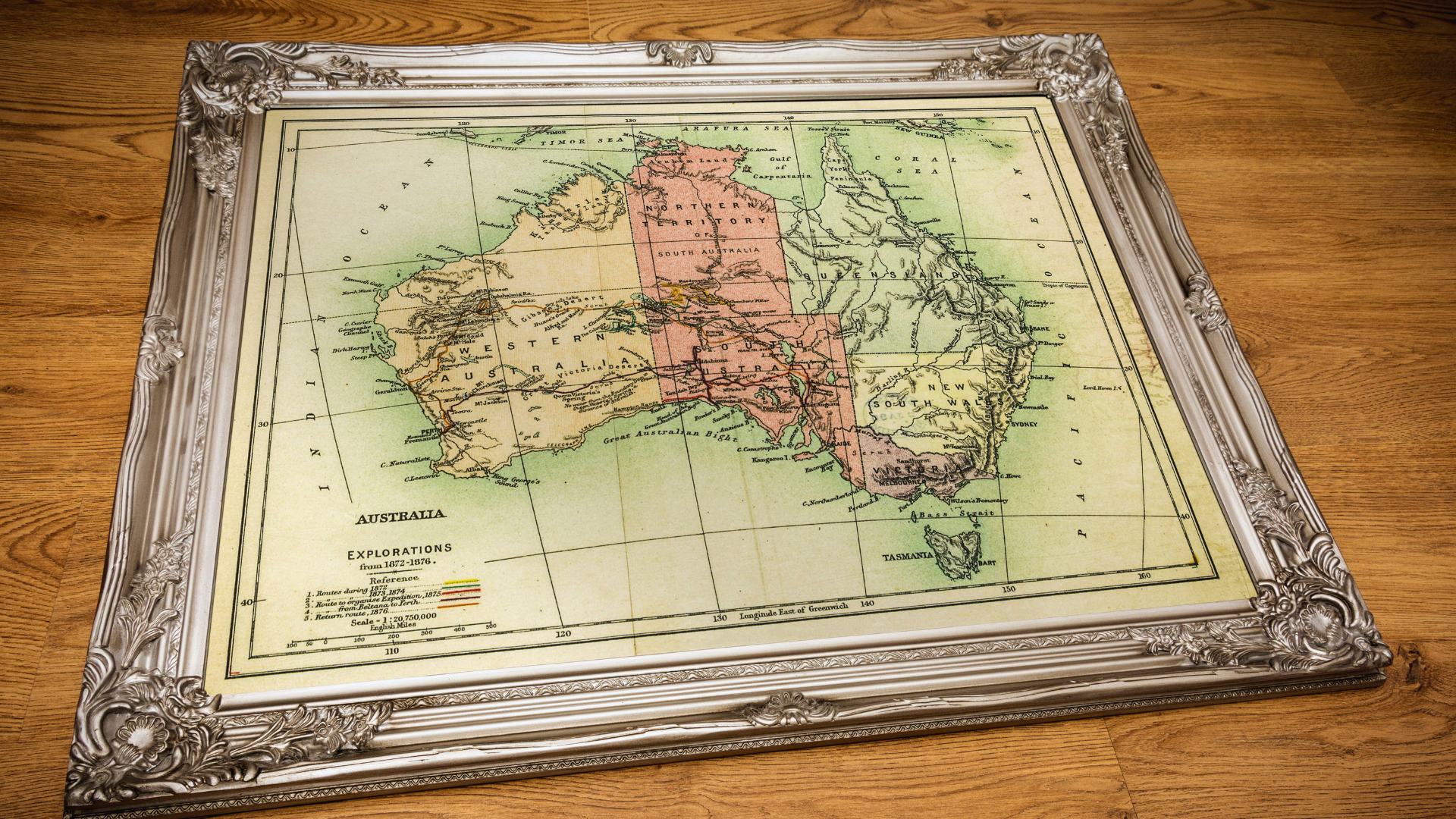
    Vintage world maps serve as striking backdrops for displaying souvenirs. Framed maps can be visually arresting, highlighting the locations of past travels.

    In addition to the map itself, attaching small flags or markers on the areas visited provides an interactive element. This invites viewers to engage with the display and encourages storytelling.

    Using both large and smaller framed maps can create a layered effect on the wall. Combining these maps with related memorabilia displays adds context and enhances the overall design.

    Enhancing Visuals With Retro Travel Posters

    Retro travel posters are visually appealing and evoke nostalgia. They can be featured prominently in a travel-themed display, complementing other souvenirs.

    Positioning these posters alongside photographs or framed maps creates a dynamic visual narrative. Mixing different printing styles helps sustain interest across the display.

    Using high-quality reproductions or originals increases their impact while maintaining authenticity. This strategy allows individuals to celebrate their journeys while contributing to their home’s character.

    Shelf and Tabletop Arrangements for Mementos

    Effective shelf and tabletop arrangements can beautifully showcase historical souvenirs while keeping the space organized. Incorporating creative display techniques enhances the aesthetic and personal narrative of the items.

    Arranging Souvenir Shelf Displays

    When creating a souvenir shelf display, consider grouping items by theme or color. This approach creates visual coherence and draws attention to specific mementos.

    Layering is essential; place taller items at the back and shorter ones in front to maintain depth. Vintage treasures can be highlighted using stands or risers to add height variation.

    Utilize a mix of textures and materials. For example, pairing ceramic pieces with wooden elements creates contrast that catches the eye. This method allows each memento to shine while collectively telling a story about travels and experiences.

    Showcasing Collections With Floating Shelves

    Floating shelves provide a minimalist solution for displaying souvenirs. They eliminate the bulkiness of traditional furniture while offering versatile arrangement options.

    Install shelves at varying heights to create dynamic visual interest. This setup allows for larger items to occupy lower spaces while smaller souvenirs can hang above.

    Grouping by size and color enhances the display’s appeal. For instance, a set of travel souvenirs from different countries can be curated alongside similar-colored decorative accents, creating a cohesive narrative across the shelves.

    Styling With Decorative Accents and Natural Elements

    Incorporating decorative accents can elevate a shelf or tabletop display. Consider adding items like candles, small sculptures, or books to fill empty spaces creatively.

    Natural elements, such as plants or stones, offer a refreshing contrast to souvenir displays. A small potted plant can soften sharp lines and add vibrancy to memorabilia.

    Balance is key; ensure that decorative pieces do not overshadow the souvenirs. She can arrange the souvenirs at the forefront and use accents to frame them without detracting from their significance. This harmonious interplay between souvenirs and accents makes the display inviting and engaging.

    Personalized and Thematic Display Ideas

    Creating a unique and engaging display for historical souvenirs can add character to a home. Several creative options exist for showcasing items like travel mementos, each offering a personalized touch that reflects an individual’s journey.

    Creating a Souvenir Wall for Storytelling

    A souvenir wall acts as a visual narrative of travel experiences. This wall can include various travel mementos such as framed passport stamps, flag patches, and fridge magnets from different locations.

    Arranging these items in a grid or collage style allows for flexibility and creativity. The choice of a background color can enhance the visibility of the souvenirs. Consider using a color palette that matches the room’s décor.

    Visitors can easily engage with these displays, prompting stories and memories associated with each item. A well-curated souvenir wall makes an impactful statement and can inspire personal growth through reflection on past experiences.

    Interactive Displays: Push Pins, City Maps, and Pins

    Interactive displays invite participation and curiosity. Using push pins and city maps, one can create an engaging way to show where travels have taken place. Travelers can place pins in various locations on a map, marking each stop along their journey.

    This method allows for a dynamic display that can evolve over time. People often enjoy revisiting and updating their map with each new adventure. Souvenirs can be pinned nearby, creating a cohesive story for each location.

    Incorporating elements such as sewing pins or decorative pins adds a personal touch to the display, enhancing its visual appeal. This interaction fosters conversations and shared experiences, deepening connections among guests.

    Crafting Memory Jars and Framed Keepsakes

    Memory jars serve as a tactile reminder of travels. They can be filled with small items like ticket stubs, seashells, or even local currency. This method provides an opportunity to capture the essence of a journey in one container.

    Each memory jar can be labeled with a location or date, enhancing the sense of nostalgia. Framed keepsakes, such as dried flowers or artwork collected during travels, can complement the jars and contribute to a gallery-style display.

    These items become functional décor while preserving memories. Combining visual aspects with elements of texture creates an engaging experience, inviting viewers to explore the stories contained within the jars.

    Selecting Lighting and Color Palette to Highlight Displays

    Lighting plays a crucial role in how souvenirs are perceived in a display. Soft LED lights or spotlights can draw attention to specific items, creating focal points that enhance their significance.

    Choosing the right color palette is equally important. A cohesive scheme can tie together various pieces, making the display feel harmonious. Neutral backgrounds often work best, allowing the vibrant colors of the souvenirs to stand out.

    Utilizing metallic frames or warm-toned materials can also create a welcoming atmosphere. Thoughtful lighting and color choices enhance the overall presentation, transforming simple souvenirs into captivating visual displays that resonate with viewers.

  • How to Get Your Children Interested in History: Engaging Strategies for Lifelong Learning

    How to Get Your Children Interested in History: Engaging Strategies for Lifelong Learning

    Engaging children with history can transform their understanding of the world. To spark their interest, parents can use interactive experiences, such as visits to museums, historical sites, or reenactments. These activities provide tangible connections to the past, making history more relatable and memorable.

    Storytelling is another effective method to capture children’s attention. Sharing captivating tales of historical figures or events can evoke curiosity and inspire debates about choices made in the past. When children can connect emotionally with the stories they hear, they are more likely to develop a lasting interest in history.

    Incorporating technology can also enhance learning. Educational apps, documentaries, and history-themed video games introduce historical topics in a fun and engaging way. By integrating modern tools, children may find themselves excited about exploring history further.

    Understanding What Engages Kids in History

    Engaging children in history requires an awareness of their unique learning preferences and the challenges teachers face. Identifying effective teaching methods and understanding barriers can create a more inviting approach to history education.

    Recognizing Children’s Learning Styles

    Every child learns differently. Some are visual learners, benefiting from pictures, maps, and videos. Others may be auditory learners, thriving through discussions and storytelling. The kinesthetic learners engage best through hands-on activities or role-playing.

    Teachers and parents can tailor history lessons to these styles. For instance, incorporating multimedia resources can capture visual learners’ attention. Storytelling can make historical events relatable for auditory learners. Additionally, acting out historical scenarios helps kinesthetic learners experience history actively.

    Utilizing a mix of methods can appeal to various learning styles, fostering a deeper interest in history.

    Challenges In Teaching History To Kids

    Teaching history poses unique obstacles. A common challenge is the perception that history is dry or irrelevant. Many children may view it as mere memorization of dates and names, which can diminish their interest.

    Another issue is the vast amount of information available. Selecting relevant content that resonates with children’s experiences is crucial. Interactive activities, such as games or field trips, can help bridge the gap between textbook knowledge and engaging experiences.

    Furthermore, history often lacks a personal touch, making it difficult for students to connect emotionally. By emphasizing stories of real people and events, educators can create a more engaging history curriculum.

    Creative Strategies to Make History Exciting

    Engaging children with history can be approached through storytelling, interactive experiences, and connections to contemporary issues. These methods transform history from dry facts into vibrant narratives that resonate with young learners.

    Incorporating Stories and Historical Figures

    Telling stories about historical figures captures children’s imaginations. Focusing on characters like Cleopatra, Martin Luther King Jr., or Amelia Earhart can make history relatable.

    Using storytelling formats, such as books or podcasts, helps create emotional connections. Interactive biographies can immerse children in these figures’ lives, showcasing their triumphs and challenges.

    Activities to Consider:

    • Role-Playing: Children can reenact key events in history.
    • Storytime Sessions: Read books that tell the lives of historical figures.
    • Journaling: Encourage kids to write diary entries from the perspective of these figures.

    Leveraging Gaming and Interactive Techniques

    Games can make learning history enjoyable and interactive. Board games like “Timeline” or video games such as “Assassin’s Creed” offer playful yet educational experiences.

    Interactive websites and apps provide engaging content that caters to different learning styles. Children can explore timelines, quizzes, and virtual museum tours.

    Game Ideas:

    • History Puzzles: Create puzzles that reveal historical events.
    • Trivia Challenges: Organize trivia nights focused on history.
    • Interactive Timelines: Use digital platforms to build timelines of significant events.

    Connecting History To Current Events

    Linking historical events to current news helps children understand history’s relevance. Discussing topics like civil rights movements in history alongside current social movements can spark interest.

    Using newspapers, documentaries, or podcasts enables children to see history in real time. This perspective fosters critical thinking about the past and its impact on present conditions.

    Discussion Points:

    • Compare Actions: Relate historical protests to modern-day movements.
    • Explore Changes: Analyze how past decisions shape current policies.
    • Create Projects: Encourage students to present on how history informs today’s challenges.

    Hands-On Learning and Immersive Experiences

    Engaging children in history can be highly effective through hands-on learning and immersive experiences. By exploring historical sites and utilizing engaging media, children can develop a deeper connection to human history.

    Visiting Historical Sites and Museums

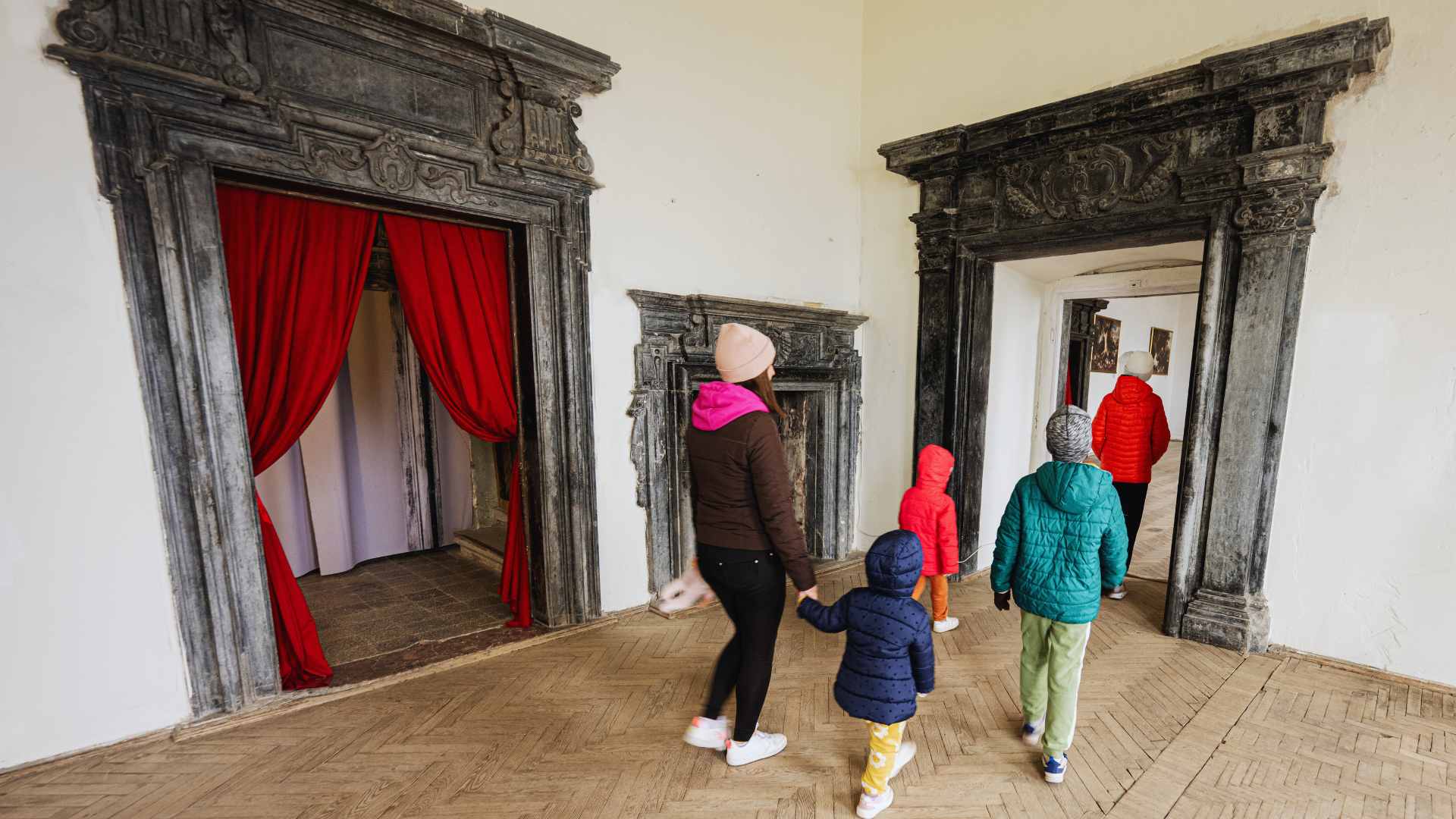
    Visiting historical sites offers children a tangible connection to the past. Walking through ancient ruins, battlefields, or preserved buildings enables them to visualize history in a way that books cannot.

    Key benefits of this approach include:

    • Reality of History: Children can see artifacts, architecture, and landscapes firsthand.
    • Interactive Exhibits: Many museums offer hands-on exhibits where children can touch, engage, and learn.
    • Guided Tours: Knowledgeable guides often share captivating stories that bring events and figures to life.

    Traveling to different historical sites, such as Colonial Williamsburg or Gettysburg, can make history engaging and memorable.

    Exploring Documentaries and Media

    Documentaries provide a dynamic way to learn about historical events, figures, and cultures. High-quality films can spark interest and encourage discussions about important topics.

    Effective strategies include:

    • Age-Appropriate Content: Select documentaries suitable for different age groups, ensuring they resonate with the child’s maturity level.
    • Follow-Up Discussions: After watching, engage children in conversations to reflect on what they have learned.
    • Supplement with Books: Pair documentaries with books for deeper exploration of specific topics.

    Resources like PBS, History Channel, and streaming platforms offer a variety of historical documentaries that cater to diverse interests.

  • How to Infuse a Sense of Adventure into Your Everyday Life: Practical Tips for Excitement and Exploration

    How to Infuse a Sense of Adventure into Your Everyday Life: Practical Tips for Excitement and Exploration

    In a world that often feels monotonous, finding ways to infuse a sense of adventure into everyday life can transform the ordinary into the extraordinary. Exploring new experiences, even in small doses, can ignite a sense of wonder that enhances daily routines and revitalizes perspective. Simple actions like trying a new route to work, experimenting with unfamiliar cuisines, or engaging in spontaneous activities can reveal the hidden adventures around every corner.

    Adventure doesn’t always mean grand, expensive trips; it can be seamlessly integrated into daily life. By embracing curiosity and remaining open to new experiences, individuals can shift their mindset, turning mundane tasks into opportunities for exploration. Engaging with local communities, discovering nature, or picking up a new hobby can add excitement and variety, creating a richer, more fulfilling existence.

    Reconnecting with the adventurous spirit can lead to personal growth and deeper connections with the world. Cultivating this mindset transforms how one interacts with their surroundings, encouraging a lifestyle filled with curiosity and joy. By making room for adventure in daily life, a profound sense of wonder can emerge, enriching both the present moment and future experiences.

    Adopting an Adventurous Mindset

    Developing an adventurous mindset requires embracing spontaneity, fostering curiosity, and stepping outside one’s comfort zone. These components play a vital role in living adventurously and enhancing personal growth.

    Embracing Spontaneity

    Embracing spontaneity means allowing oneself to act on impulse. Breaking the monotony of everyday routines often leads to new experiences. This can be as simple as taking a different route to work or trying a new restaurant without prior planning.

    To cultivate spontaneity, create opportunities for unplanned activities. Make a list of local attractions and explore one at a moment’s notice. Prioritize activities that catch attention and spark excitement. By acting on sudden urges, individuals can develop resilience and adaptability in unfamiliar situations.

    Cultivating Curiosity

    Curiosity acts as a catalyst for adventure. It drives individuals to ask questions and explore various interests. Fostering curiosity can transform mundane tasks into engaging experiences.

    To enhance curiosity, allocate time for learning. Reading diverse topics or engaging in discussions with different people can broaden perspectives. Setting small, achievable goals related to new hobbies or interests can also encourage exploration. When curiosity flourishes, individuals are more likely to seek novel experiences and grow personally.

    Stepping Outside Your Comfort Zone

    Stepping outside of the comfort zone is crucial for personal growth. It challenges individuals to face fears and push boundaries. This can lead to significant improvements in confidence and resilience.

    To step outside their comfort zone, individuals can start with small challenges. Attend a social event alone or engage in a new activity that feels slightly intimidating. Gradually increasing the difficulty of activities can build confidence over time. Each small step taken creates a foundation for bigger adventures, fostering an adventurous spirit.

    Transforming Your Daily Routine into Adventure

    Transforming daily routines into adventures involves seeking out new experiences, infusing creativity into tasks, and discovering hidden gems within one’s community. Small changes can stimulate curiosity and inspire a sense of exploration.

    Discovering Hidden Gems in Your Community

    Exploration starts at home. Communities often hold undiscovered treasures that provide opportunities for adventure.

    He or she can begin by visiting local parks, historical sites, or lesser-known cafes. Using apps or websites like Yelp or TripAdvisor can help locate unique spots.

    Joining community groups or participating in local events can also lead to encounters with interesting people.

    Making a list of these hidden gems encourages regular visits and helps in forming new connections.

    Injecting Creativity into Routines

    Incorporating creativity into daily rituals can transform monotonous tasks into exciting adventures.

    To begin, try altering the environment. Changing the workspace setup or rearranging furniture can invigorate creativity.

    Engaging in hobbies during breaks, like doodling or playing an instrument, adds a sense of joy.

    Experimenting with cooking by trying new recipes or international cuisines can also create a culinary adventure at home.

    Creating a daily challenge, such as a photo-a-day project, introduces an element of fun and discovery.

    Seeking Opportunities for New Experiences

    Every day, adventures can be found by simply being open to new experiences.

    He or she can take alternative routes to work or try a class unrelated to their profession.

    Exploring local volunteer opportunities offers a chance to connect with different people while making a positive impact.

    Using social media to discover community events can reveal activities that align with their interests.

    Regularly stepping outside of one’s comfort zone is vital. Embracing spontaneity with unplanned outings can spark excitement and renew enthusiasm for daily life.

    Creating Memorable and Exciting Experiences

    Incorporating adventure into daily life can lead to memorable experiences. This section explores practical strategies for planning small-scale adventures, building a personal bucket list, and finding excitement in unexpected moments.

    Planning Small-Scale Adventures

    Small-scale adventures can bring excitement without major commitment. Creativity plays a key role in planning these experiences. Individuals can explore nearby parks, take a scenic route on their way home, or try a new restaurant in town.

    Engaging in local activities—like outdoor concerts or farmers’ markets—can also spark adventure. Weekend hiking trips or biking adventures in unfamiliar neighborhoods can create lasting memories. Key to this approach is embracing spontaneity. A last-minute camping trip or day trip to a nearby city may lead to unexpected gems.

    Building a Personal Bucket List

    Creating a personal bucket list helps clarify what individuals genuinely want to experience. Writing down specific goals enables focus and motivation. This can include travel destinations, activities, or achievements they aspire to complete.

    The bucket list should be a mix of practical and ambitious goals. Adding small, attainable adventures can prevent procrastination. Consider categories such as travel, skills, or challenges that push comfort zones. Revisit this list regularly to update it with new aspirations and reflect on completed experiences.

    Finding Adventure in the Unexpected

    Adventure often lies in the unexpected moments of everyday life. By remaining open-minded and adaptable, individuals can uncover extraordinary experiences.

    Simple actions, like taking a different route to work or striking up a conversation with a stranger, can lead to adventures. Additionally, saying “yes” to unexpected invitations can foster connection and discovery. Embracing the unknown opens doors to opportunities that enrich life.

    By integrating these strategies, individuals can create a tapestry of memorable experiences that enhance their everyday lives.

    Connecting with Others on Your Adventure Journey

    Building connections with others enhances the thrill of exploration. Finding like-minded individuals can lead to shared experiences and new opportunities for adventure.

    Joining Local Exploration Groups

    Participating in local exploration groups can significantly expand one’s adventure network. These groups often organize activities such as hiking outings, weekend road trips, and community events focused on discovery.

    Members can explore nearby hiking trails and hidden gems together, cultivating a sense of camaraderie. Engaging with community members can also provide access to valuable local knowledge, allowing adventurers to discover lesser-known paths and practices.

    Joining online platforms or local clubs can help individuals find opportunities that fit their interests. A simple search can reveal groups specifically dedicated to outdoor activities, crafting, or urban exploration.

    Sharing Camaraderie and Experiences

    Camaraderie is essential for enriching the adventure experience. Sharing personal stories, achievements, and challenges fosters deeper connections.

    Individuals can host gatherings or informal meetups to discuss their latest explorations and exchange tips. This exchange often ignites inspiration, encouraging others to embark on their own adventures.

    Celebrating milestones, such as reaching hiking goals or completing road trips, can deepen bonds. Engaging in these shared experiences nurtures a supportive community of exploration and discovery.

    By collaborating with others, adventurers can create an environment where they motivate each other, resulting in unforgettable memories and lasting friendships.

  • Tips for Maintaining a Balanced Lifestyle While Traveling: Essential Strategies for Health and Well-being

    Tips for Maintaining a Balanced Lifestyle While Traveling: Essential Strategies for Health and Well-being

    Traveling offers a chance to explore new places, meet interesting people, and create lasting memories. Amidst the excitement, maintaining a balanced lifestyle can be challenging. Practical tips for sustaining well-being while on the move can empower travelers to enjoy their journeys without sacrificing their health and routines.

    Prioritizing physical activity, even in small doses, helps keep energy levels high. Simple strategies such as taking walking tours or utilizing hotel gym facilities can make a significant difference. Staying mindful of nutrition by seeking out local, healthy foods fosters both physical and mental wellness.

    Mindfulness and stress management are equally important. Incorporating practices like meditation or journaling can help travelers stay grounded. By integrating these habits into their travels, they can ensure a fulfilling experience that aligns with their lifestyle goals.

    Prioritize Nutrition and Healthy Eating Habits

    Maintaining proper nutrition while traveling can significantly impact overall well-being. By focusing on nutritious food choices, portion control, and local cuisine, travelers can better support their health and energy levels.

    Choose Nutritious Options and Balanced Meals

    Travelers should prioritize nutritious options that include a variety of food groups. A balanced meal consists of lean protein, whole grains, and plenty of fruits and vegetables. For protein sources, consider options like grilled chicken, fish, or legumes. Whole grains such as brown rice, quinoa, or whole-wheat pasta provide sustained energy. Including colorful vegetables not only enhances flavor but also ensures essential vitamins and minerals.

    When dining out, look for meals that explicitly state healthy components. Different cultures often offer traditional dishes that are both flavorful and nutritious. Scanning menus for phrases like “grilled,” “baked,” or “steamed” can indicate healthier cooking methods. Avoid fried foods and rich sauces to maintain a balanced diet.

    Smart Snacking and Portable Snacks

    Smart snacking is crucial while traveling. Portable snacks make maintaining a healthy diet easier. Options include nuts, seeds, whole-grain bars, or pre-cut fruits and vegetables. These foods are not only easy to carry but also provide essential nutrients and energy on the go.

    To stay prepared, travelers can pack snacks in a small container or resealable bag. This way, they can bypass less healthy options found in convenience stores or airports. Choosing snacks that offer a mix of protein and fiber can help curb hunger and prevent overeating during meals.

    Explore Local Cuisine and Markets

    When traveling, embracing the local cuisine is an excellent way to discover nutritious foods. Many cultures utilize whole foods and fresh ingredients, promoting nutrient-dense options. Visiting local markets can yield an array of fruits, vegetables, and whole grains.

    Trying local dishes such as stews or salads can introduce healthy ingredients into the diet. Opt for meals that highlight seasonal produce, as they are often fresher and more flavorful. This not only supports health but also enhances the travel experience by connecting with the culture through food.

    Practice Portion Control and Mindful Eating

    Portion control is essential for maintaining a balanced diet while traveling. Mindful eating encourages awareness of hunger cues, allowing individuals to enjoy their meals without overeating. At restaurants, travelers can consider sharing dishes or ordering smaller portion sizes.

    Being mindful involves savoring each bite and focusing on the meal rather than distractions. Recognizing when to stop eating is critical, especially in unfamiliar settings where food might be abundant or enticing. Paying attention to satiety signals can help maintain a healthy balance, ensuring an enjoyable travel experience without sacrificing nutrition.

    Stay Hydrated and Energized Throughout Your Travels

    Maintaining hydration and energy levels is crucial for anyone traveling. Understanding how to manage fluid intake, food choices, and alcohol consumption can significantly impact travel experiences.

    Maintain Optimal Hydration

    Staying hydrated is essential for both physical performance and mental clarity. Travelers should aim to drink at least 8-10 glasses of water each day, adjusting for climate and activity level.

    Carrying a reusable water bottle makes it easier to track and encourage regular hydration. To enhance water intake, travelers can include:

    • Hydrating foods: Cucumbers, oranges, and watermelon.
    • Electrolyte-rich drinks: Coconut water or sports drinks on hot days.

    Recognizing signs of dehydration, such as fatigue or dizziness, helps travelers take immediate action.

    Manage Energy Levels and Address Food Cravings

    Travel can disrupt regular eating patterns, leading to erratic energy levels. It’s vital to consume a balanced diet throughout the journey.

    Travelers should prioritize:

    • Complex carbohydrates: Whole grains, fruits, and vegetables provide steady energy.
    • Protein sources: Lean meats, legumes, and nuts help sustain fullness.

    Packing healthy snacks like energy bars or mixed nuts will help combat sudden cravings and maintain energy. Frequent, smaller meals can combat fatigue while keeping hunger in check.

    Limit Alcohol Consumption and Listen to Your Body

    Excessive alcohol can lead to dehydration and fatigue. Travelers should limit alcohol intake to ensure they remain alert and enjoy their experiences.

    Opting for lighter beverages and alternating with water can mitigate the effects of alcohol.

    Listening to one’s body is equally important. When feeling tired or sluggish, taking a break or opting for non-alcoholic alternatives can help re-energize. Prioritizing self-care during travel ensures a more enjoyable and fulfilling experience.

    Maintain Physical Well-Being and an Active Routine

    To sustain physical well-being while traveling, it is essential to incorporate activity into daily plans and prioritize quality sleep. Managing fatigue and stress also plays a critical role in maintaining energy levels and overall health during trips.

    Incorporate Physical Activity into Your Itinerary

    Travelers should aim to engage in at least 30 minutes of physical activity each day. This can be achieved through various methods, such as walking tours, biking, or even participating in local fitness classes.

    When planning trips, she can include hiking in national parks, swimming at a hotel pool, or taking the stairs instead of elevators. Simple adjustments like these make it easier to stay active.

    Using fitness apps for guidance on workouts or local amenities is also helpful. Many destinations have opportunities for activities that blend enjoyment with exercise.

    Consistent Sleep Schedule and Quality Sleep

    Maintaining a consistent sleep schedule while traveling can be challenging, but it is critical for health. Travelers should try to go to bed and wake up at the same time each day.

    Creating a bedtime routine, even on the road, can enhance sleep quality. This includes limiting screen time before bed and ensuring a comfortable sleep environment.

    Using sleep masks and earplugs can help block disturbances in unfamiliar settings. Travelers may also consider adjusting their sleep patterns gradually before departure to mitigate jet lag and boost their overall well-being.

    Adapt to Travel Fatigue and Reduce Stress

    Travel fatigue is common, but addressing it proactively is vital. Ensuring regular breaks throughout the day can help maintain high energy levels.

    Incorporating stress-reducing practices into the travel routine is equally important. Techniques such as deep breathing exercises or short meditative sessions can provide relief during busy schedules.

    Prioritizing hydration and nutritious meals can prevent burnout and keep the body functioning optimally. Lastly, setting realistic expectations for each day helps manage stress and allows for enjoyable experiences.

    Travel Preparedness and Health Safety

    Traveling can expose individuals to various health risks. Being prepared with the right tools and knowledge ensures a smoother experience. Key aspects include having a first aid kit, maintaining hygiene, and practicing food safety while protecting yourself from the sun.

    Bring a First Aid Kit and Travel Insurance

    A well-stocked first aid kit is essential for any traveler. It should include items like adhesive bandages, antiseptic wipes, pain relievers, and any personal medications. Travelers should also consider including items that cater to specific environments, such as insect repellent or altitude sickness tablets.

    Travel insurance is critical for safeguarding against unexpected health issues or emergencies. It helps cover medical expenses that can arise during a trip. Travelers should choose a policy that includes coverage for pre-existing conditions, trip cancellations, and emergency evacuations. Reading the fine print is crucial to understand what is covered.

    Implement Good Hygiene Practices

    Maintaining good hygiene can prevent illness while traveling. Regular handwashing is one of the most effective practices. Travelers should wash their hands frequently, especially before meals and after using public transportation.

    Using hand sanitizer when soap and water are unavailable is advisable. This can significantly reduce the risk of infections. Additionally, travelers should avoid touching their faces to minimize the transfer of germs.

    Food Safety and Sun Protection Tips

    Food safety is paramount. Travelers should ensure that food is prepared and stored correctly to avoid foodborne illnesses. Eating at reputable restaurants and avoiding street food can reduce risks. Cooking food thoroughly and drinking bottled or purified water are also important.

    Protection from the sun cannot be overlooked. Applying sunscreen with a high SPF is critical, especially in tropical or sunny environments. It should be reapplied every two hours or after swimming. Wearing protective clothing, hats, and sunglasses can further reduce sun exposure and its harmful effects.

  • Stress Management Techniques: Proven Methods for Reducing Anxiety and Enhancing Well-Being

    Stress Management Techniques: Proven Methods for Reducing Anxiety and Enhancing Well-Being

    Stress is a common experience that can significantly impact mental health and overall well-being. Employing effective stress management techniques can help reduce the stress response and mitigate the effects of chronic stress. By incorporating strategies such as mindfulness, regular exercise, and proper time management, individuals can build resilience against daily stressors.

    Many people overlook the importance of addressing stress in their lives. The consequences of untreated stress often lead to more severe health issues, both mentally and physically. Learning how to manage stress not only promotes better mental health but also enhances the ability to cope with life’s challenges.

    In this exploration of stress management techniques, practical methods and actionable insights will be provided. Readers can expect to find approaches that fit various lifestyles, enabling them to take control of their stress and improve their quality of life.

    Understanding Stress and Its Impact on Health

    Stress can significantly influence both mental and physical health. It triggers complex biological responses that affect various body systems and can lead to chronic health issues if not managed effectively.

    The Science of Stress Response

    When faced with a stressor, the body activates the fight-or-flight response. This response triggers the release of hormones like adrenaline and cortisol.

    • Adrenaline: increases heart rate and energy supplies.
    • Cortisol: helps regulate metabolism and immune response.

    These hormones prepare the body to respond to perceived threats. While this response is beneficial in short bursts, prolonged activation can lead to health problems.

    Physical and Psychological Effects of Stress

    Stress affects both the body and mind. Physically, it can lead to elevated blood pressure, tension headaches, and fatigue. One common outcome is insomnia.

    Psychologically, stress can affect mood and lead to conditions such as depression and increased irritability.

    Managing stress is crucial for maintaining physical health and well-being.

    Chronic Stress and Health Risks

    Chronic stress poses significant health risks. Prolonged exposure to stress hormones can weaken the immune system, making an individual more susceptible to infections.

    Moreover, it increases the risk of heart disease and hypertension.

    Unmanaged stress can also lead to other serious issues, including mental health disorders. Recognizing the signs of stress early can aid in effective management.

    Core Stress Management Techniques

    Effective stress management techniques can greatly improve emotional well-being. These methods help individuals better cope with stressors in daily life. Key practices include cognitive behavioral therapy, mindfulness, physical exercise, and various relaxation techniques.

    Cognitive Behavioral Therapy (CBT)

    Cognitive Behavioral Therapy is a structured approach that focuses on identifying negative thought patterns and behaviors contributing to stress. It encourages individuals to challenge and reframe these thoughts. By replacing irrational beliefs with more rational, realistic ones, clients experience reduced anxiety and improved coping skills.

    CBT sessions often involve self-monitoring and strategies to manage stress in real time. Worksheets and exercises may help individuals track their thoughts and behaviors, promoting awareness and change. This technique is widely used and backed by research, showing its effectiveness in managing conditions like anxiety and depression.

    Mindfulness and Meditation

    Mindfulness and meditation practices help individuals stay present in the moment, reducing feelings of overwhelm. Mindfulness includes techniques like deep breathing and body scanning, promoting relaxation and mental clarity. Meditation can involve guided sessions or self-directed practices that encourage a focus on one’s breath or a specific mantra.

    Research indicates that regular mindfulness practice can decrease cortisol levels, the hormone associated with stress. Individuals often report improved focus and emotional regulation after integrating these practices into their daily routines. Classes or apps can provide helpful resources to begin practicing mindfulness and meditation.

    Physical Exercise and Activity

    Physical exercise is a powerful tool for stress management. Engaging in regular physical activity releases endorphins, chemicals in the brain that act as natural painkillers and mood elevators. Activities like walking, running, or yoga can help reduce muscle tension and promote relaxation.

    It is recommended to aim for at least 30 minutes of moderate exercise most days of the week. Finding enjoyable activities increases adherence to exercise routines. Group classes or outdoor activities can provide additional motivation and social support, enhancing the overall stress-relief experience.

    Relaxation Techniques and Deep Breathing

    Relaxation techniques, including deep breathing exercises, promote calmness and reduce stress levels. Deep breathing involves taking slow, controlled breaths to lower heart rate and blood pressure. Techniques like progressive muscle relaxation systematically tense and relax muscle groups, alleviating physical tension.

    Incorporating these techniques into daily life can lead to improved emotional resilience. Short, regular practice sessions, even just five minutes a day, can yield significant benefits. Various guided recordings and apps are available to assist individuals in mastering relaxation techniques, making them accessible anytime, anywhere.

    For a better experience with these techniques, it might be helpful to do them in a setting where the air quality is good. Some individuals may prefer to do them outdoors; others prefer the comfort of indoors. For those who do breathing exercises indoors, it can be beneficial to ensure the indoor air quality is healthy. Various factors, like mold growth or lack of ventilation, can affect this. In order to prevent such problems, homeowners can consult professionals who provide services like heat ducting and Mold Testing in Clive, IA (or elsewhere).

    Building a Resilient Lifestyle

    A resilient lifestyle encompasses healthy habits, strong social connections, and a well-managed work-life balance. Each of these components contributes to an individual’s ability to cope with stress and maintain overall well-being.

    Developing Healthy Habits

    Adopting healthy habits is crucial for building resilience. This includes maintaining a balanced diet rich in fruits, vegetables, whole grains, and lean proteins. Proper nutrition fuels the body and mind, helping to regulate mood and stress levels.

    Regular physical activity also plays a vital role. Engaging in exercise releases endorphins, which can improve mood and promote a sense of well-being. Pairing fitness with adequate sleep routines enhances recovery and cognitive function. Aiming for 7-9 hours of quality sleep per night is essential.

    Practicing gratitude can further strengthen mental resilience. Taking the time to reflect on positive experiences fosters an optimistic outlook, reducing stress and improving emotional stability. Such habits create a strong foundation for effectively managing life’s challenges.

    Foster Strong Relationships and Social Support

    Strong relationships provide significant stress relief. Individuals are encouraged to cultivate connections with family and friends, fostering a support network that can be invaluable during tough times. Sharing experiences and emotions can alleviate feelings of isolation.

    Participating in social activities or community groups can enhance these connections. Leisure activities offer opportunities to bond with others over shared interests, promoting a sense of belonging. These interactions contribute to emotional stability and personal growth.

    Supporting others within this network also builds resilience. Offering help creates a reciprocal relationship where both parties benefit from mutual support. Prioritizing these connections equips individuals with resources to navigate stress more effectively.

    Maintaining Work-Life Balance

    Achieving a healthy work-life balance is essential for resilience. Individuals should set clear boundaries between work and personal time, ensuring that neither encroaches on the other. This separation helps prevent burnout and promotes mental clarity.

    Scheduling regular leisure activities can enhance this balance. Engaging in hobbies or spending time with loved ones allows for relaxation and rejuvenation. It’s important for individuals to reserve time for self-care and personal interests.

    Employers can also foster a healthy work environment by promoting flexible schedules and mutual respect for personal time. This cooperation creates a culture that values well-being, further reinforcing the resilience of the workforce.

    Strategies for Coping with Acute Stressors

    Acute stressors can arise unexpectedly, creating immediate pressure. Effective approaches to coping involve recognizing stress triggers, implementing problem-solving techniques, and regulating emotions through acceptance.

    Identifying and Managing Stress Triggers

    Recognizing stress triggers is the first step in effective stress management. Triggers can be external, such as deadlines or conflicts, or internal, like self-doubt. Keeping a stress diary helps individuals pinpoint patterns and recognize recurring situations that generate stress.

    Once triggers are identified, strategies to manage them can be employed. This may involve setting realistic deadlines, improving communication skills, or developing assertiveness. The key is to take action by addressing the sources of stress directly or adjusting one’s response to them.

    Effective Problem-Solving Techniques

    Problem-focused coping is essential for managing acute stressors. This approach involves breaking down overwhelming tasks into smaller, manageable steps. Creating a prioritized list can help individuals focus on what needs to be accomplished first.

    Additionally, brainstorming solutions empower individuals to take charge. This may include seeking advice from trusted colleagues or friends. Adopting a mindset of optimism can also foster resilience, allowing individuals to view challenges as opportunities for growth rather than insurmountable obstacles.

    Emotion Regulation and Acceptance

    Emotion-focused coping strategies help individuals manage their emotional responses to stress. Techniques such as mindfulness and deep breathing exercises can enhance emotional regulation. Practicing awareness of one’s feelings allows for a more balanced response to stressors.

    Acceptance plays a crucial role in coping with stress. Rather than resisting uncomfortable emotions, embracing them helps to reduce their intensity. Commitment to self-care practices, such as regular exercise and healthy eating, supports emotional well-being and builds resilience in the face of acute stress.


  • Mindfulness and Relaxation: Techniques for Stress Relief and Inner Peace

    Mindfulness and Relaxation: Techniques for Stress Relief and Inner Peace

    In an increasingly fast-paced world, many individuals seek effective ways to manage stress and promote mental well-being. Mindfulness and relaxation practices have emerged as vital tools in this pursuit, helping people cultivate a more balanced and centered life. Engaging in mindfulness can significantly reduce anxiety and enhance relaxation, offering numerous benefits for both mental and physical health.

    Practices such as meditation, deep breathing, and mindful movement allow individuals to reconnect with the present moment. These techniques are not only accessible for beginners but can also be seamlessly integrated into daily routines. By fostering a deeper sense of awareness, mindfulness encourages a more peaceful state of mind, which is essential for relaxation.

    Exploring mindfulness and relaxation techniques can empower individuals to take control of their emotional landscape. With just a few simple practices, anyone can enhance their overall well-being and navigate the complexities of modern life with greater ease.

    Understanding Mindfulness

    Mindfulness is a practice rooted in ancient traditions that has gained significant recognition in contemporary settings, particularly in psychology. This section explores its historical origins, psychological applications, and essential concepts.

    Historical Background

    Mindfulness has its roots in Buddhist teachings, specifically the practice of sati, which means awareness or remembering. This concept emphasizes being present and fully engaging with the moment without judgment.

    In the 1970s, Jon Kabat-Zinn introduced mindfulness to Western medicine through his Mindfulness-Based Stress Reduction (MBSR) program. This marked the beginning of incorporating mindfulness into therapeutic practices, making it more accessible to the general public.

    As time progressed, studies began to explore its benefits, establishing a scientific foundation that validates its effectiveness in improving mental health and well-being.

    Mindfulness in Psychology

    In psychology, mindfulness is frequently utilized as a therapeutic tool. Techniques such as mindfulness meditation help individuals become aware of their thoughts and feelings without reacting impulsively. This can lead to decreased anxiety and improved emotional regulation.

    Mindfulness-Based Cognitive Therapy (MBCT) combines traditional cognitive behavioral strategies with mindfulness practices. Research indicates that this approach effectively reduces relapse rates in individuals with recurrent depression.

    Moreover, mental health professionals recognize mindfulness as beneficial for managing stress, enhancing self-awareness, and promoting emotional resilience. The integration of mindfulness into therapy has led to a shift in understanding mental health, emphasizing the importance of present-moment awareness.

    Key Concepts and Terminology

    Several key concepts characterize mindfulness practice.

    • Present-Moment Awareness: Focusing attention on the current experience rather than dwelling on the past or worrying about the future.
    • Non-Judgment: Observing thoughts and feelings without labeling them as good or bad.
    • Acceptance: Embracing thoughts and emotions as they are, fostering a sense of peace.

    Terminology related to mindfulness also includes terms like meditation, awareness, and intention. These concepts help practitioners cultivate a deeper understanding of their behaviors and reactions.

    By grasping these foundational elements, individuals can better engage with mindfulness practices and enhance their overall well-being.

    Benefits of Mindfulness

    Mindfulness offers various advantages that impact physical health, mental well-being, and emotional regulation. Engaging in mindfulness practices can lead to significant improvements across these domains.

    Physical Health Improvements

    Mindfulness has been linked to numerous physical health benefits. Regular practice can lower blood pressure and improve heart health. Studies suggest that it may reduce inflammation, aiding in the management of chronic illnesses.

    Additionally, mindfulness techniques can promote better sleep quality, which is essential for physical recovery and overall well-being. Practicing mindfulness also encourages a healthier lifestyle by fostering awareness of the body’s needs, which can lead to better nutrition and exercise habits.

    Mental Well-Being

    Mindfulness significantly contributes to enhanced mental well-being. It can help reduce symptoms of anxiety and depression by encouraging individuals to stay present rather than worry about the future or dwell on the past.

    Moreover, mindfulness improves focus and attention, making it easier for individuals to engage in daily tasks. This practice cultivates a sense of calmness, which can lead to a more positive outlook on life.

    Emotional Regulation

    Practicing mindfulness supports effective emotional regulation. It enables individuals to recognize their emotions without judgment, fostering a deeper understanding of internal experiences. This awareness helps reduce impulsive reactions to stressors.

    Mindfulness practices encourage patience and resilience, allowing individuals to respond thoughtfully to challenges. By developing this skill, they can improve interpersonal relationships and reduce conflict in their personal and professional lives.

    Relaxation Techniques

    Relaxation techniques can significantly reduce stress and enhance overall well-being. Common methods include breathing exercises, guided imagery, and progressive muscle relaxation. Each technique offers unique benefits for achieving a calm state of mind.

    Breathing Exercises

    Breathing exercises focus on slowing down the breath to promote relaxation. One simple method is the 4-7-8 technique. Inhale through the nose for 4 seconds, hold the breath for 7 seconds, and exhale through the mouth for 8 seconds.

    Benefits of this exercise include:

    • Reduced anxiety: Calms the nervous system.
    • Improved concentration: Helps clear the mind.
    • Increased oxygen flow: Enhances physical relaxation.

    Practicing these exercises for just a few minutes can lead to noticeable shifts in mood and tension.

    Guided Imagery

    Guided imagery involves visualizing peaceful scenes to promote relaxation. It often uses audio recordings or a facilitator to lead participants through a mental journey.

    Key steps include:

    • Find a quiet space: Minimize distractions.
    • Close your eyes: Focus inward.
    • Visualize calming imagery: Picture a tranquil beach or forest.

    This technique can help with stress reduction and can lead to deeper emotional healing. It encourages the mind to connect with calming visuals, facilitating relaxation on multiple levels.

    Progressive Muscle Relaxation

    Progressive muscle relaxation (PMR) is a method that combines physical and mental relaxation. It involves tensing and then relaxing each muscle group in the body, usually starting from the toes and working upwards.

    The main steps are:

    • Tense the muscles: Hold for about five seconds.
    • Release and relax: Notice the sensation of relaxation that follows.

    Practicing PMR can help individuals:

    • Reduce physical tension.
    • Become more aware of their bodies.
    • Alleviate anxiety symptoms.

    This technique can be especially helpful before sleep or during anxious moments, as it promotes a comprehensive sense of tranquility.

    Incorporating Mindfulness into Daily Life

    Integrating mindfulness into daily routines can enhance mental clarity and emotional well-being. Practicing mindfulness through various activities can create moments of calm and focus throughout the day.

    Mindful Eating

    Mindful eating encourages individuals to fully engage their senses while consuming food. This practice involves paying close attention to flavors, textures, and aromas.

    To start, one can begin with small portions, allowing for slower consumption. Setting aside distractions, like phones or television, fosters a more peaceful eating environment.

    Here are key aspects of mindful eating:

    • Chewing slowly: Take time to chew each bite thoroughly.
    • Listening to hunger cues: Recognize true hunger versus emotional eating.
    • Gratitude practice: Acknowledge where food comes from before eating.

    These steps cultivate a more appreciative and healthier approach to meals.

    Mindful Movement

    Engaging in mindful movement focuses on the connection between body and mind. Activities like yoga, tai chi, or even simple stretching can help enhance body awareness.

    When practicing mindful movement, one should concentrate on the sensations in the body. This might include noticing the tension in muscles or the rhythm of breath.

    Key components to consider include:

    • Slower pace: Practicing movements deliberately and with intention.
    • Breath synchronization: Coordinating breath with movements enhances focus.
    • Non-judgmental awareness: Observing feelings and thoughts without criticism.

    These practices contribute to a deeper understanding of one’s body and promote relaxation.

    Creating a Mindfulness Routine

    Establishing a mindfulness routine helps cultivate consistency. A routine can start with short practices, gradually increasing duration as comfort grows.

    Setting a specific time each day for mindfulness, such as morning or evening, encourages adherence. Individuals might use reminders to stay committed.

    Essential elements to incorporate include:

    • Guided meditations: Utilize apps or online resources for structure.
    • Gratitude journaling: Spend a few minutes writing about positive experiences.
    • Breathing exercises: Simple deep breaths can help ground and center.

    Consistency in practice leads to more profound benefits over time.

    Mindfulness Meditation

    Mindfulness meditation is a practice that cultivates awareness and presence in the moment. It involves various techniques that can enhance relaxation and improve mental well-being. Individuals interested in adopting this practice can explore different meditation methods and develop a consistent routine.

    Meditation Techniques

    Several techniques are available for practicing mindfulness meditation.

    • Breath Awareness: Focusing on the breath is a fundamental technique. This involves observing inhalation and exhalation without trying to control them.
    • Body Scan: This method involves mentally scanning the body for tension. It encourages relaxation by bringing attention to different body parts, often starting from the toes and moving upwards.
    • Guided Meditation: Utilizing audio recordings or apps can provide direction. This method is particularly useful for beginners, as it leads them through the meditation process with prompts.

    Each technique serves to anchor the mind, fostering a sense of peace and reducing distractions.

    Developing a Meditation Practice

    Creating a consistent meditation practice requires structure and dedication.

    • Set a Schedule: Designating a specific time daily helps integrate mindfulness into one’s routine. Even five to ten minutes can be beneficial.
    • Choose a Comfortable Space: Finding a quiet and comfortable location reduces distractions. A dedicated area can make the practice feel special and focused.
    • Start Small: Beginners should not aim for lengthy sessions immediately. Starting with short durations makes the habit more manageable and encourages consistency.
    • Stay Flexible: It is important to adapt the practice as needed. Some days may require adjustments based on one’s schedule or energy levels.

    These steps can assist individuals in cultivating a sustainable mindfulness meditation practice.

    Mindfulness and Stress Management

    Mindfulness plays a crucial role in recognizing and managing stress. By developing awareness of stress signals and utilizing mindfulness-based practices, individuals can effectively reduce stress levels and enhance their overall well-being.

    Recognizing Stress Signals

    Recognizing stress signals is the first step in effective stress management. Common physical signals include increased heart rate, shallow breathing, and muscle tension. Emotional signals often manifest as irritability, anxiety, or mood swings.

    Key stress signals:

    • Physical: Fatigue, headaches, digestive issues.
    • Emotional: Frustration, overwhelm, difficulty concentrating.

    Increasing awareness of these signs enables individuals to respond proactively. Practicing mindfulness helps cultivate this awareness, leading to timely interventions and healthier coping strategies.

    Mindfulness-Based Stress Reduction

    Mindfulness-Based Stress Reduction (MBSR) is a structured program aimed at reducing stress through mindfulness practices. Developed by Dr. Jon Kabat-Zinn, MBSR incorporates techniques such as meditation, body scanning, and mindful breathing.

    Benefits of MBSR:

    • Increased self-awareness: Participants learn to observe thoughts and feelings without judgment.
    • Improved emotional regulation: Mindfulness helps individuals respond to stressors with clarity.

    The program typically spans eight weeks, allowing individuals to experience significant stress reduction. Regular practice enhances resilience, fosters a calmer mindset, and equips individuals to tackle life’s challenges more effectively.

    Mindfulness in Different Cultures

    Mindfulness practices have roots in various cultural traditions. Each culture incorporates unique elements that shape its understanding and application of mindfulness.

    Eastern Traditions

    Eastern traditions, particularly in Buddhism, emphasize mindfulness as a central practice. The concept, known as Sati, involves maintaining a moment-to-moment awareness of thoughts, feelings, and experiences.

    In these cultures, mindfulness is often practiced through meditation. Techniques such as Vipassana focus on self-observation and insight into the nature of existence.

    Key components include:

    • Breath Awareness: Attention to breathing as a grounding practice.
    • Walking Meditation: Combining movement with mindfulness.
    • Insight Meditation: Cultivating deeper awareness of one’s thoughts and emotions.

    These practices are integral to spiritual development and are often used to achieve inner peace and clarity.

    Adaptation in Western Cultures

    In Western cultures, mindfulness has been integrated into various therapeutic approaches. Concepts from Eastern mindfulness were popularized by figures like Jon Kabat-Zinn.

    Programs like Mindfulness-Based Stress Reduction (MBSR) focus on reducing stress through mindfulness techniques. They often include practices like mindful breathing and body scans.

    Common applications include:

    • Therapeutic Settings: Used in Cognitive Behavioral Therapy (CBT) to help manage anxiety.
    • Corporate Wellness Programs: Emphasizing mental well-being in the workplace.

    This adaptation maintains the essence of traditional practices while appealing to contemporary needs. Mindfulness is now widely recognized for its benefits across different facets of life.

    Challenges and Misconceptions

    Many individuals face challenges and hold misconceptions about mindfulness practice. Addressing these can enhance understanding and encourage more people to engage in mindfulness and relaxation techniques.

    Common Mindfulness Myths

    Several myths surround mindfulness that can deter individuals from trying it. A prevalent misconception is that mindfulness requires an empty mind. The practice actually involves acknowledging thoughts without judgment, allowing engagement rather than avoidance.

    Another myth is that mindfulness is a quick fix for stress or anxiety. In reality, it is a skill that develops over time with consistent practice. Many believe that mindfulness necessitates long hours of meditation. In fact, even a few minutes daily can yield benefits.

    Overcoming Barriers to Practice

    Barriers to practicing mindfulness often include time constraints and misconceptions about the method. Many people feel they lack sufficient time, but mindfulness can be integrated into daily activities, such as during meals or commutes.

    Another barrier is discomfort with stillness. Individuals may feel unsettled when trying to sit quietly. Gradual introduction through guided sessions can alleviate this discomfort.

    Access to resources also presents a challenge. With the growth of technology, numerous apps and online resources can aid practice. Taking small, actionable steps can overcome barriers and foster a more consistent mindfulness practice.

    Future Directions in Mindfulness Research

    Research on mindfulness continues to evolve, with several promising avenues for exploration.

    • Integration with Technology
        • The use of apps and virtual reality in mindfulness practice could enhance accessibility.
        • Studies may examine the effectiveness of these tools compared to traditional methods.
    • Neurobiology of Mindfulness
        • Investigating the impact of mindfulness on brain structure and function remains a key area.
        • Research may focus on the relationship between mindfulness practices and changes in brain connectivity.
    • Long-term Effects of Mindfulness
        • Understanding how sustained practice affects mental and physical health over time is essential.
        • Longitudinal studies could shed light on the durability of mindfulness benefits.
    • Diverse Populations and Settings
        • Future studies should include diverse demographics to understand mindfulness’ effects across cultures.
        • Research might explore how mindfulness practices can be adapted for various settings, such as schools or workplaces.
    • Mindfulness and Chronic Illness
      • Investigating the role of mindfulness in managing chronic conditions could provide valuable insights.
      • Research may assess how mindfulness techniques can support patients in their treatment plans.

    As mindfulness research expands, these directions hold the potential to deepen understanding and improve practices.

    Mindfulness in Education and the Workplace

    Mindfulness practices are increasingly integrated into educational settings and corporate environments, offering significant benefits. By fostering a culture of mindfulness, both students and employees can experience enhanced focus, reduced stress, and improved emotional well-being.

    School-Based Programs

    Many schools are implementing mindfulness programs aimed at enhancing students’ mental health and academic performance. These programs often include practices such as meditation, breathing exercises, and mindful movement.

    Benefits observed in participating students include improved attention spans, better emotional regulation, and reduced anxiety levels. Programs like Mindful Schools and The Calm Classroom provide teachers with resources to integrate mindfulness into daily routines.

    Research indicates that schools adopting mindfulness practices can see better classroom behavior and increased academic achievement. Teachers report less stress, leading to a more conducive learning environment.

    Corporate Mindfulness Training

    Corporate mindfulness training programs generally guided by an expert fitness business consultant, are crafted to enhance employee well-being and boost productivity. Organizations offer workshops that teach mindfulness techniques, stress reduction strategies, and ways to enhance focus.

    Companies like Google and Apple have implemented mindfulness initiatives that lead to higher employee satisfaction and creativity. Training often includes guided meditations, mindfulness-based stress reduction (MBSR) techniques, and group discussions.

    The impact on workplace culture can be profound. Employees often report decreased burnout, improved collaboration, and enhanced decision-making skills. This shift can lead to a more resilient workforce better equipped to manage challenges.

    Resources and Further Reading

    Books

    • “The Miracle of Mindfulness” by Thich Nhat Hanh: A practical guide to mindfulness techniques and practices.
    • “Wherever You Go, There You Are” by Jon Kabat-Zinn: Offers insights into mindfulness and its application in daily life.

    Articles

    • Mindful.org: Provides articles and resources on mindfulness practices.
    • Psychology Today: Contains numerous articles about relaxation techniques and mindfulness research.

    Apps

    • Headspace: A user-friendly app offering guided meditations and mindfulness exercises.
    • Calm: Focuses on relaxation with sleep stories, meditations, and breathing exercises.

    Online Courses

    • Mindfulness-Based Stress Reduction (MBSR): An evidence-based program designed to teach mindfulness and relaxation techniques.
    • Coursera: Mindfulness Specialization: A series of courses offering insights into mindfulness practices and theories. 

    These resources can assist individuals in exploring mindfulness further and practicing relaxation techniques effectively. Each resource provides tools for deepening understanding and application in everyday life.


  • 10 Fun Hobbies That Every Woman Should Pursue a Fulfilling Life

    10 Fun Hobbies That Every Woman Should Pursue a Fulfilling Life

    Finding the perfect hobby can be a challenge, especially if you’re not sure where to start. But luckily for you, we’ve compiled a list of 10 amazing hobbies that every woman should try! From painting to hiking, these hobbies are sure to bring joy and fulfillment into your life. Read on to find out more!

    Painting and Drawing

    There are few things more satisfying than creating something beautiful with your own two hands. Painting and drawing are both excellent hobbies to pursue if you’re looking for a creative outlet. And, best of all, they’re relatively easy to get into. All you need is a set of paints or some pencils and paper, and you’re good to go!

    Whether you’re a total novice or a seasoned artist, painting and drawing can both be incredibly rewarding. They can help you to relax and de-stress, and can even give you a sense of achievement when you look back at your finished work. If you’ve never tried your hand at either of these hobbies before, why not give them a go? You might just surprise yourself.

    Cooking and Baking

    There’s nothing more satisfying than whipping up a delicious meal or baked good from scratch. Cooking and baking are great hobbies to pursue if you’re looking for something fulfilling and enjoyable. Not only will you be able to create tasty dishes for yourself and your loved ones, but you’ll also get to experiment with different ingredients and flavors.

    If you’re new to cooking or baking, there are plenty of resources available to help you get started. There are cookbooks, online recipes, cooking classes, and more. Once you get the hang of things, you’ll be able to let your creativity flow and come up with your unique creations. Who knows, maybe even start your food blog or YouTube channel!

    Hiking and Camping

    There is nothing quite like getting out into nature and spending some time hiking or camping. It allows you to clear your mind, get some exercise, and enjoy the beauty of your surroundings. If you have never been hiking or camping before, there are a few things you should keep in mind:

    • First, make sure you have the proper equipment. This includes a good pair of hiking boots or shoes, a tent, a sleeping bag, and all the other necessary gear. You can either buy this gear or rent it from a local outfitter.
    • Second, choose a hike or campsite that is appropriate for your skill level. There are many different trails and sites to choose from. So do some research beforehand to find one that is right for you.
    • Finally, prepare for the elements. Make sure you pack plenty of water and food and dress appropriately for the weather conditions. By following these tips, you can ensure that your hiking or camping trip is enjoyable and safe.

    Yoga and Meditation

    Yoga and meditation are both excellent hobbies for women to pursue a fulfilling life. Yoga can help improve your flexibility, strength, and balance, while meditation can help you to relax and de-stress. Both of these activities can be done in group classes or at home, so you can easily find a way to fit them into your busy schedule.

    Bird Watching

    Bird watching is a great hobby for any woman who wants to get outdoors and appreciates nature. It can be done alone or with friends, and there is no equipment necessary beyond a good pair of binoculars. Bird watching is a great way to relax and de-stress, and it can also be a fun way to learn more about the natural world.

    Reading

    There are many benefits to reading, and it’s a hobby every woman should pursue. You could visit a bookstore las vegas (if that’s where you are from) to explore a range of genres and find books that captivate your interest. Reading allows women to escape into different worlds, gain knowledge, and broaden their perspectives. Whether it’s fiction, non-fiction, or poetry, the choices are endless, and the benefits are manifold. Moreover, joining a book club or discussing your favorite reads with friends can add a social aspect to this fulfilling hobby, fostering meaningful connections and shared experiences. So, embrace the joy of reading and let the pages transport you to new adventures and insights.

    Gardening

    Gardening is a wonderful hobby for women to explore. It offers a relaxing and fulfilling way to utilize free time while enjoying the outdoors and fresh air. With numerous gardening styles available, you can easily find one that suits your preferences, whether it involves growing vegetables, flowers, or both. Installing water faucets in your garden can streamline the process of watering plants, while investing in quality gardening tools like shovels, trowels, and pruners can significantly enhance your gardening experience.

    Ensuring proper drainage is also crucial to prevent issues such as waterlogging and root rot. Skilled plumbers from reputable firms like PM247 can help install drainage systems to manage excess water effectively (visit website to learn more). Adequate drainage is vital for maintaining healthy soil conditions and safeguarding your plants from water-related problems.

    When it comes to getting your lawn ready for gardening, there are a few key steps that can make a big difference. Start by clearing the area of any debris and weeds to create a fresh space for planting. Then, take the time to assess the quality of your soil. Another important step before diving into gardening is to mow your lawn. This not only helps remove any unwanted weed growth but also improves soil aeration, creating healthier conditions for your plants to thrive. If you are not keen on handling the lawn care yourself, you might want to consider reaching out to a Red Deer lawn care service (assuming that’s where you reside) for some help.

    Swimming

    Swimming is an amazing hobby with a host of health benefits. Not only does it give you a great full-body workout, but it’s also gentle on your joints because it’s low-impact. If you’re thinking about taking your swimming game up a notch, why not consider building a pool in your backyard? Websites like https://premierpoolsandspas.com/inground-pools/calculating-pool-costs/ can give you some insight into the pool installation process and what costs you might expect.

    Having your own pool at home means you can enjoy swimming whenever you want, right in your own backyard. It’s perfect for cooling off on those scorching summer days without having to leave the comfort of your own property.

    Photography

    A great hobby for any woman to pursue is photography. It’s a fun way to capture memories and moments, and you can even make some extra money on the side if you’re good at it. There are plenty of resources available online and in libraries to help you get started, so there’s no excuse not to give it a try.

    Woodworking

    There’s nothing like working with your hands to create something beautiful. Woodworking is a unique and satisfying hobby that can be extremely rewarding. Not only will you get to use your creativity and imagination, but you’ll also get to see the results of your hard work come to life.

  • 12 Ways to Make Your Hair Grow Faster

    12 Ways to Make Your Hair Grow Faster

    Do you want to grow your hair faster and longer? You can naturally grow your hair faster by applying certain natural methods. Vitamins A, B Complex, C, D, and E, and minerals like iron, copper, zinc, selenium, and iodine are important to healthy hair.

    It’s important to acknowledge that for some individuals, regenerating lost hair might not be feasible through conventional methods. Factors such as genetics, medical conditions, or damage to hair follicles can impede natural regrowth. In such cases, exploring alternative solutions like hair transplants becomes a viable option. If you’re considering this option, you could consult with professionals at a reputable hair clinic Birmingham (if that’s where you live), ensuring personalized care and optimal outcomes tailored to your unique needs.

    Indeed, while hair transplants offer a substantial solution for those facing hair loss challenges where other methods may not suffice, it’s beneficial to complement such treatments with holistic approaches aimed at enhancing overall hair health. Nutritional adjustments, for instance, focusing on a diet rich in proteins, vitamins, and minerals essential for hair strength and growth, can be remarkably effective. With these practices, alongside professional treatments, you’re equipped to support your hair’s vitality from multiple angles. So, let’s now look at some other ways you can help your hair grow.

    Get frequent trims

    A haircut can make you look and feel better, so it’s time to shake things up if you’re in a bad hair rut. Hair grows in cycles. There is a pattern to the growth cycle, and hair grows in three stages: anagen, catagen, and telogen. This is commonly known as the hair growth cycle, which varies for everyone. Trimming the ends of your hair frequently helps to get rid of any split or frayed ends, which helps keep your hair healthy and promotes good hair growth.

    Eat the right diet

    Choose the correct foods for your body, and your hair will grow long and strong. Many people think eating rich, fatty foods will make their hair grey, and it’s true that some foods can have that effect. However, in turn, consuming the right foods will keep your hair healthy. Foods such as whole grains, fruits, vegetables, and lean proteins contribute to strong and healthy hair. Conversely, foods like sugar, salt, red meats, and processed foods can be detrimental to your hair, so it’s advisable to limit their consumption.

    That being said, it’s worth noting that significant hair loss and baldness may not always be reversible and could be attributed to genetic factors, hormonal imbalances, medical conditions, or certain medications. In such cases, maintaining a healthy diet alone may not promote hair growth, and alternative options such as hair transplants, wearing wigs, or opting for cosmetic procedures like scalp micropigmentation (SMP Manchester or elsewhere) may be necessary to restore your desired appearance and confidence. These options offer effective solutions for individuals experiencing significant hair loss or baldness, providing both aesthetic enhancement and psychological support.

    Add a hair-healthy vitamin to your a.m. routine

    Enhance the health of your hair with organic shampoo and conditioner from Pureology-a line that works to cleanse and condition from the inside out. Pureology offers shampoo and conditioner for different needs, including strengthening, thickening, and keratin treatment. Sometimes they can be a bit pricey, but you can find coupons for the brand online.

    Shampoo less and hydrate more

    Shampooing our hair too often and using products containing harsh ingredients can strip the hair of its natural moisture. This can lead to hair that is dry, brittle, and frizzy. To prevent this from happening, try using less shampoo and instead use conditioner more often. Also, drink plenty of fluids-water, herbal teas, and fruit juices-and avoid heavily caffeinated beverages, which can cause damage to the hair.

    Lay off the bleach

    Bleaching your hair for higher volume, shine, or color has never come without risks. The ingredients in your bleach and the length of use it can cause your hair to become brittle, dry, or weak. A streaky, unnatural color may also result from bleaching. And while these side effects may not impact your hair immediately, they can lead to long-term damage.

    Avoid excessive heat styling

    Most of us have experienced heat styling at some point, but how much do you really know about how heat styling can damage your hair? Heat styling can damage your hair in many ways, including causing dry, brittle, and split ends. Even heat settings on professional styling tools can severely damage your hair. Heat styling can cause hair to lose its shine and bounce, making it look dull and unhealthy, as well as creating excess frizz on your hair, leaving you with hair that is unmanageable and prone to tangling. Excessive heat styling can also cause your hair to dry out and break easily.

    Brush hair regularly

    Brushing your hair daily will help keep hair healthy, shiny, and less likely to fall out. Brushing your hair regularly is also a good way to reduce the length of split ends and save cash on trips to the hair salon.

    Keep your showers cooler and focus on scalp care

    As the summer approaches, many of us will be looking forward to warmer temperatures and sunshine. However, some places may also find themselves dealing with heat waves. Although a heat wave doesn’t typically last too long, it can wreak havoc on your hair. To avoid this, try and keep your showers cool, as this helps the scalp retain moisture, as well as closes any hair cuticles to help them stay moisturized.

    Sleep on a silk pillowcase

    Sleep on a silk pillowcase. Sounds too good to be true, right? But hear us out. Silk is a natural fiber that’s soft to the touch, and silk pillowcases actually feel cooler than cotton ones, preventing you from overheating while you sleep and any excess sweating that you may have experienced when using cotton bedding. At the same time, silk pillowcases help your hair to retain its moisture to stop frizz and reduce friction, meaning they also can help reduce bedhead and headaches in the morning.

    Try using minoxidil

    Hair loss and baldness are common problems for men and women. For men, it’s particularly common in their early twenties but can affect anyone. Women can also experience baldness or thinning hair, but it’s often during their forties. In these cases, hair loss is also referred to as female pattern hair loss or androgenetic alopecia. There are many different reasons why one could lose or grow their head of hair. Minoxidil can help by encouraging hair growth where the hair loss has occurred, however, you should make sure that you do your research and consult a medical professional before you ahead and use it.

    Consider talking to your doctor or opting for non-surgical cosmetic procedures to address hair loss

    Hair loss is a prevalent concern for both men and women, striking at any age. Androgenetic alopecia, often referred to as pattern baldness, is the most common culprit. While some experience hair loss in their twenties, it can begin much earlier.
    Don’t lose hope! Consulting a doctor can help pinpoint the cause of your hair loss and explore treatment options to regain your confidence.

    For instance, if you are a man experiencing hair loss, your doctor can prescribe medications like Finasteride (brand name Propecia), which can act as an effective solution. Finasteride targets an enzyme that converts testosterone into DHT, a hormone linked to hair loss in men with genetic predisposition. By inhibiting DHT production, it can help slow down hair loss and potentially promote regrowth. Wondering where to buy finasteride from? How about you check your local medical stores or online dispensaries?

    That being said, women facing hair loss have treatment options as well. Spironolactone, a medication that regulates hormones affecting hair loss, might be prescribed by your doctor. Additionally, minoxidil, a topical treatment available over the counter, can be used by both men and women to stimulate hair growth, although complete regrowth is unlikely.

    Aside from medicinal treatments, there are alternative non-invasive cosmetic procedures available to address concerns like hair thinning and even baldness. If you have tried medications without success, it might be a wise option to explore these cosmetic treatments offered by reputable clinics. A hair specialist can assess your specific hair concerns and accordingly recommend procedures like Scalp Micropigmentaiton or Platelet-Rich Plasma therapy. These options can greatly help rebuild confidence in your appearance.

    Conlclusion

    By following the above steps, you can be assured that you are doing all you can in order to make your hair look the best it possibly can! This may require some commitments when it comes to lifestyle changes, but it really will be worth it for how happy a full, healthy head of hair can make you feel.

  • 10 Tips on How To Look Amazing in Every Photo You Take

    10 Tips on How To Look Amazing in Every Photo You Take

    Ever taken a photo and thought it made you look bad? Well, with the right tips and tricks, you can ensure that every single photo you take will make you look amazing! In this article, we’ll provide 10 tips on how to make sure your photos always come out looking perfect. Keep reading to find out more!

    Smiling Is Key

    Smiling can truly enhance your appearance in photos, so be sure to smile often! However, if you feel a bit self-conscious about your smile due to factors like thin lips or missing teeth, consider making adjustments to align with your preferences. For the former, you might explore options such as a lip lift surgery from 8 West. This can subtly enhance the shape and fullness of your lips, resulting in a more balanced and appealing smile. Likewise, if you are dealing with missing teeth, denture implants can present a practical and long-lasting solution. These implants not only restore the functionality of your smile but also improve its aesthetic appeal, providing a natural-looking and seamless result. You can look for “denture implants Red Deer” or similar phrases on the Web to find clinics near you that can offer similar services. Keep in mind that by addressing these concerns, you can feel more confident and radiant in front of the camera.

    Find Your Best Angle

    When you’re taking a photo, it’s important to find your best angle. This is the angle that will make you look the most flattering in the photo. To find your best angle, hold the camera up to your face and turn your head slightly to the side. Then, take a few practice shots until you find the angle that you think looks the best.

    Good Posture

    A third tip on how to look amazing in every photo you take is to have a good posture. This means standing up straight with your shoulders back and down, and your chin level. Not only will this make you look more confident and attractive, but it will also help you avoid a double chin in photos.

    Wear Clothes that Fit You Well

    One of the most important things you can do to look great in photos is to wear clothes that fit you well. When your clothes fit you properly, they flatter your figure and make you look more put-together. If your clothes are too big or too small, they will make you look sloppy and may even make it difficult to pose comfortably.

    When you’re shopping for new clothes, always pay attention to how they fit. If something is too tight, it will be uncomfortable and may even show through in photos. If something is too loose, it will add bulk and make you look larger than you are. Stick to pieces that fit you well and feel comfortable. If you’re not sure how something should fit, ask a salesperson for help. They can give you guidance on what size to choose and how different cuts will look on your body type. With a little bit of effort, you can easily find clothing that looks great on you and flatters your figure in photos.

    Makeup and Hair

    The fifth tip for looking amazing in photos is to ensure your makeup and hair are flawless. This involves dedicating time to do your hair and makeup meticulously, ensuring everything is in place before leaving the house. For important shoots, consider prepping your skin beforehand to ensure it radiates a glowing complexion. You can search online using phrases like “facial near me in Lexington, KY” to find a reputable spa or skincare clinic offering facial treatments to prepare your skin for the photoshoot. Additionally, when doing your hair and makeup, ensure you have all the necessary products and tools. Invest in high-quality foundation, concealer, powder, blush, and lipstick, and ensure your brushes are clean and used correctly.

    Also, consider focusing on your eye makeup as your eyes can really boost your look in photos. Applying mascara, eyeliner, and eye shadow properly can really make your eyes pop and add depth to your overall look. Furthermore, if you wear glasses, think about switching to contact lenses for the photoshoot. They can help bring attention to your eyes quickly. And if you’re feeling adventurous, you could even try colored lenses, like blue or green contacts, to give your photos a special twist.

    However, if you’re not confident doing your hair and makeup alone, there is no shame in hiring a professional. They will be able to help you create a look that suits your features and brings out your best self.

    Lighting is Everything

    Lighting is everything when it comes to taking photos. If you are in a low-light situation, use a flash. If you are in a bright light situation, find some shade. The best lighting for photos is usually early in the morning or late in the afternoon when the sun is not directly overhead.

    Avoid Unwanted Distortions

    It’s no secret that distortions can ruin a photo, especially if they’re unwanted. But what exactly is a distortion? In photography, a distortion is an optical aberration that results in a deformed image. Distortions can be caused by many factors, including lens defects, camera movement, or simply taking the photo from too close up or too far away.

    So how do you avoid these undesirable effects? The best way to avoid distortions is to use a tripod and take your photos from a variety of different distances. You can also try using a telephoto or wide-angle lens, depending on the desired effect. And if you’re struggling with distorted images, you can always turn to Photoshop for help!

    Use Props to Add Interest

    Props are a great way to add interest to your photos. They can help you tell a story or convey a mood. If you’re looking to add some excitement to your photos, try using props!

    Use Backgrounds and Surroundings

    To look amazing in every photo you take, it is important to use your backgrounds and surroundings. This means finding a good location with a nice background that compliments your outfit. If you are outdoors, try to find a spot with a pretty view or interesting architecture. If you are indoors, try to find a clean and well-lit space. Once you have found a good location, make sure to take advantage of it by moving around and experimenting with different poses. Try different angles and distances from the camera to see what looks best. And don’t forget to have fun!

    Don’t Forget to Pose!

    One of the most important things to remember when taking photos is to pose! Even if you feel silly, posing can make all the difference in whether a photo turns out well. So next time you’re getting ready to take a picture, make sure you strike a pose that you feel comfortable with and that flatters your appearance.

  • Understanding High Blood Pressure: Causes, Symptoms, and Management

    High blood pressure, or hypertension, is a common condition that can lead to serious health issues if left unmanaged. Whether you’ve just been diagnosed or are looking to understand it better, this guide will break down the causes, symptoms, and management strategies for high blood pressure. Let’s dive in and demystify this often silent but significant health concern.


    What is High Blood Pressure?

    High blood pressure occurs when the force of blood against the artery walls is consistently too high. This can strain your heart, damage blood vessels, and increase the risk of heart disease, stroke, and other complications. Blood pressure readings consist of two numbers: systolic (the pressure when your heart beats) over diastolic (the pressure when your heart rests between beats). A reading of 130/80 mm Hg or higher is considered high.


    Causes of High Blood Pressure


    Lifestyle Factors

    1. Poor Diet – High intake of salt, fat, and cholesterol can increase blood pressure.
    2. Lack of Physical Activity – Sedentary lifestyles contribute to weight gain, which can elevate blood pressure.
    3. Alcohol and Tobacco Use – Excessive alcohol consumption and smoking can raise blood pressure levels.
    4. Stress – Chronic stress can lead to behaviors that increase blood pressure, such as overeating or poor sleep.

    Genetic and Medical Conditions

    1. Family History – Hypertension often runs in families.
    2. Age: Blood pressure tends to increase with age.
    3. Medical Conditions – Conditions like diabetes, kidney disease, and sleep apnea can contribute to high blood pressure.

    Symptoms of High Blood Pressure

    High blood pressure is often called the “silent killer” because it typically has no noticeable symptoms until significant damage has occurred. However, some people may experience:

    • Headaches
    • Shortness of breath
    • Nosebleeds
    • Flushing
    • Dizziness

    These symptoms are not specific and usually don’t occur until high blood pressure has reached a severe or life-threatening stage.

    How High Blood Pressure Affects Your Life


    Heart and Brain Health

    High blood pressure can lead to heart disease, heart attacks, and strokes. The constant pressure on your artery walls can cause them to harden and narrow (atherosclerosis), increasing the risk of blockages and cardiovascular events.


    Sexual Dysfunction

    High blood pressure can impact sexual health. Men may experience erectile dysfunction (ED) due to reduced blood flow to the penis. If this happens to you, visiting an ED Clinic Meridian is a must. Women might have decreased libido or arousal difficulties. Addressing hypertension can improve these issues.


    Kidney Damage

    Your kidneys filter excess fluid and waste from your blood. High blood pressure can damage the blood vessels in the kidneys, reducing their ability to function correctly, potentially leading to kidney failure.


    Vision Loss

    Hypertension can damage the blood vessels in the retina, leading to vision problems and even blindness.


    Management of High Blood Pressure

    Managing high blood pressure involves a combination of lifestyle changes and, if necessary, medication. Here are some effective strategies:


    Lifestyle Changes

    1. Healthy Diet 
    • Eat More Fruits and Vegetables – Aim for a variety of colors on your plate.
    • Reduce Salt Intake – Choose low-sodium options and limit processed foods.
    • Limit Alcohol – Keep alcohol consumption moderate.
    1. Regular Exercise 
    • Aerobic Activities – Aim for at least 150 minutes of moderate-intensity exercise per week.
    • Strength Training – Include exercises that build muscle twice a week.
    1. Maintain a Healthy Weight 
    • BMI Goals – Aim for a Body Mass Index (BMI) between 18.5 and 24.9.
    • Monitor Weight – Regularly check your weight and adjust your lifestyle as needed.
    1. Quit Smoking 
    • Seek Support – Use resources like quitlines, support groups, or medications to help you stop smoking.
    1. Stress Management 
    • Relaxation Techniques – Practice yoga, meditation, or deep-breathing exercises.
    • Sleep Well – Ensure you get 7-9 hours of sleep per night.

    Medications

    If lifestyle changes aren’t enough, your doctor may prescribe medications. These can include:

    • Diuretics – Help your kidneys remove excess water and salt.
    • ACE Inhibitors – Relax blood vessels.
    • Beta-Blockers – Reduce your heart rate and the force of your heartbeats.
    • Calcium Channel Blockers – Relax blood vessel muscles.

    Always take medications as prescribed and discuss any side effects with your doctor.

    Monitoring Your Blood Pressure

    Regular monitoring is crucial for managing high blood pressure. Here’s how you can keep track:

    1. Home Blood Pressure Monitors – Invest in a reliable monitor to check your blood pressure at home.
    2. Keep a Log – Record your readings and note any factors that might affect them, such as stress or diet.
    3. Regular Doctor Visits – Have your blood pressure checked during routine medical appointments.

    Preventing High Blood Pressure

    Even if you currently have normal blood pressure, taking steps to prevent hypertension is wise:

    • Healthy Lifestyle – Continue with a balanced diet and regular exercise.
    • Regular Screenings – Monitor your blood pressure regularly, especially if you have a family history of hypertension.
    • Manage Stress – Adopt healthy coping mechanisms for stress.

    Conclusion

    Understanding and managing high blood pressure is essential for maintaining overall health and preventing serious complications. By adopting healthy lifestyle habits, regularly monitoring your blood pressure, and following your doctor’s advice, you can keep your blood pressure in check and reduce the risk of related health issues. Remember, small changes can make a big difference in your health journey. Take control of your blood pressure today for a healthier tomorrow.