Category: Creative Collections

  • A Guide to Exploring UNESCO World Heritage Sites: Discovering Cultural and Natural Treasures Around the Globe

    A Guide to Exploring UNESCO World Heritage Sites: Discovering Cultural and Natural Treasures Around the Globe

    Exploring UNESCO World Heritage Sites offers a unique opportunity to appreciate the cultural and natural treasures of our world. These sites not only represent the pinnacle of human achievement but also serve as vital reminders of our shared heritage and history. Each location tells a story of human creativity, resilience, and diversity, inviting visitors to connect with the past while considering their significance in today’s context.

    From the ancient ruins of Petra to the breathtaking landscapes of the Great Barrier Reef, each UNESCO site provides a stunning backdrop for adventure and learning. By visiting these remarkable places, travelers gain insight into the universal values that unite humanity, deepening their understanding of different cultures and environments. This guide aims to navigate the vast array of UNESCO World Heritage Sites and highlight essential tips for those eager to embark on this enriching journey.

    With careful planning and respect for the local customs and environments, anyone can discover the beauty and importance of these sites. Whether seeking architectural wonders or natural landscapes, the exploration of UNESCO World Heritage Sites promises memorable experiences and a profound appreciation of the world’s legacy.

    Understanding UNESCO World Heritage Sites

    UNESCO World Heritage Sites represent cultural and natural treasures that hold universal value. These sites are officially recognized for their significance, and the criteria for their inclusion on the list reflect a commitment to preserving humanity’s diverse heritage.

    Defining UNESCO World Heritage Sites

    UNESCO World Heritage Sites are locations recognized for their outstanding universal value. The sites can be cultural, historical, scientific, or other forms of significance that merit conservation. They provide insight into the human experience and natural wonders.

    To qualify as a World Heritage Site, a location must meet at least one of the ten criteria established by the World Heritage Committee. These criteria assess attributes such as aesthetic value, historical importance, and unique biodiversity.

    The Role of UNESCO

    The United Nations Educational, Scientific and Cultural Organization (UNESCO) administers the World Heritage program. Its goal is to promote international cooperation for preserving sites of cultural and natural significance. Through its efforts, UNESCO raises awareness about the importance of conservation.

    The organization provides guidelines for countries aspiring to protect their heritage. It also offers technical assistance and capacity-building support. This ensures that nations can effectively manage their World Heritage Sites and work towards sustainable tourism practices.

    Categories: Cultural, Natural, and Mixed Heritage

    UNESCO categorizes World Heritage Sites into three main types: cultural, natural, and mixed.

    • Cultural Heritage Sites include historic buildings, monuments, and urban landscapes. Examples are the Great Wall of China and the Pyramids of Egypt.
    • Natural Heritage Sites highlight natural features of exceptional beauty or ecological importance, such as the Great Barrier Reef in Australia.
    • Mixed Heritage Sites embody both cultural and natural significance. An example would be Mount Athos in Greece.

    Each category reflects unique aspects of human achievement and the planet’s biodiversity.

    How Sites are Added to the World Heritage List

    The process of adding sites to the World Heritage List involves several steps. First, countries submit nominations to UNESCO’s World Heritage Committee. Each nomination undergoes thorough evaluation by experts who assess its eligibility based on established criteria.

    Following this evaluation, the committee makes the final decision during its annual sessions. Countries must also demonstrate a commitment to maintaining and preserving their sites. Regular monitoring is essential to ensure ongoing compliance with UNESCO standards.

    Planning Your Journey to UNESCO World Heritage Sites

    When planning a journey to UNESCO World Heritage Sites, travelers should consider a variety of factors to ensure a meaningful experience. From selecting the right sites to visit to practicing responsible travel, preparation plays a vital role in making the most of these unique destinations.

    Choosing Sites to Visit

    Selecting the right UNESCO World Heritage Sites can enhance the travel experience significantly. Travelers should research the World Heritage List to identify sites that align with their interests, whether cultural, historical, or natural. For example, those interested in architecture might prioritize sites like the Acropolis of Athens or Neuschwanstein Castle.

    Furthermore, travelers may wish to consider the geographical locations of these sites. Visiting multiple sites within a region can minimize travel time and expenses. It is beneficial to utilize travel guides, apps, or websites that specialize in UNESCO sites to find recommendations and insights.

    Sustainable and Responsible Travel

    Travelers should adopt sustainable practices while visiting these precious sites. UNESCO encourages responsible tourism to preserve cultural and natural heritage. This includes following local guidelines and respecting the environment.

    Utilizing public transportation, staying in eco-friendly accommodations, and minimizing waste contribute to sustainable tourism. Engaging with local communities through guided tours or workshops can enhance understanding and appreciation of the sites.

    Travelers should prioritize sites recognized for sustainable tourism efforts, which may provide additional resources and support for conservation initiatives.

    Best Times for Exploration

    Timing plays a critical role in the enjoyment of UNESCO World Heritage Sites. Each site may have peak seasons when visitor numbers can be overwhelming, affecting the experience. Researching climate conditions is vital; sites located in tropical areas may have distinct wet and dry seasons impacting accessibility.

    In general, spring and fall are often ideal times for exploration, offering pleasant weather and smaller crowds. Checking local events or festivals can also enrich visits, providing unique insights and experiences related to the site’s history or culture.

    Iconic UNESCO World Heritage Sites Around the World

    UNESCO World Heritage Sites represent humanity’s cultural and natural heritage treasures. From ancient monuments to breathtaking natural landscapes, these sites offer unique experiences that reflect the diversity of our world.

    Historic Monuments and Ancient Wonders

    The Great Wall of China is a monumental feat of engineering, spanning over 13,000 miles. Constructed to protect against invasions, it showcases various dynastic architecture.

    The Taj Mahal in India is renowned for its stunning white marble and intricate craftsmanship. Built as a mausoleum for Mumtaz Mahal, it exemplifies Mughal architecture and is a symbol of eternal love.

    Machu Picchu, located in Peru, is an Incan citadel nestled in the Andes Mountains. Its sophisticated dry-stone construction and terraced fields demonstrate advanced agricultural practices of the Inca civilization.

    Angkor Wat in Cambodia is the largest religious monument in the world. Originally a Hindu temple, it features intricate bas-reliefs and is a vital part of Khmer architecture.

    Natural and Scenic Marvels

    The Galapagos Islands are a unique archipelago that inspired Charles Darwin’s theory of evolution. Its biodiversity includes endemic species like the Galapagos tortoise and marine iguanas. The Great Barrier Reef in Australia is the largest coral reef system globally. It supports a diverse range of marine life and is vital for marine conservation efforts.

    Yellowstone National Park, established in 1872, was the first national park in the world. Known for its geothermal features like geysers and hot springs, it also hosts diverse wildlife habitats. Cappadocia in Turkey is famous for its unique rock formations and cave dwellings. Its landscapes offer breathtaking views and numerous hiking opportunities.

    Architectural Masterpieces

    The Colosseum in Rome, Italy, is an iconic symbol of ancient Roman architecture. This amphitheater could hold up to 80,000 spectators for gladiatorial contests and public spectacles. Mont-Saint-Michel in France is a medieval abbey perched on a rocky island. Its Gothic architecture and strategic position make it a stunning site visited by thousands each year.

    The Acropolis of Athens is an ancient citadel featuring classical Greek architecture. The Parthenon, dedicated to the goddess Athena, remains a significant cultural symbol. Kiyomizu-dera in Japan is an ancient temple known for its wooden stage that offers panoramic views of cherry and maple trees. Its historical significance and scenic beauty attract many visitors.

    Bagan in Myanmar is home to thousands of ancient temples and stupas, reflecting the region’s rich cultural heritage. It showcases a unique blend of architecture from different dynasties. Aachen Cathedral in Germany is renowned for its Palatine Chapel, a masterwork of Carolingian architecture. It holds a significant place in European religious history.

    Tips for Visiting and Preserving World Heritage Sites

    Visiting UNESCO World Heritage Sites requires awareness and respect for the regulations in place, as well as appreciation for local cultures. Following specific guidelines ensures a positive impact on these significant locations.

    Regulations and Site Protection

    Visitors must familiarize themselves with the regulations set by UNESCO and the local authorities. Each site has unique rules designed to protect its integrity.

    • Stay on designated paths to minimize erosion and damage.
    • Avoid touching or climbing on ancient structures to prevent degradation.
    • Follow photography restrictions, as flash photography can harm sensitive artworks.

    Understanding the World Heritage Committee’s guidelines helps visitors contribute positively to preservation efforts. Compliance not only safeguards the site but enhances the visitor experience.

    Respecting Local Communities and Traditions

    Visitors should engage respectfully with local communities. This includes learning about the culture and history that define the site.

    • Participate in local customs and traditions, enhancing cultural appreciation.
    • Support local businesses by buying artisanal products rather than mass-produced souvenirs.
    • Listen to community feedback about tourism practices; they have insights into sustainable visitation.

    Being respectful fosters goodwill, ensuring that future visitors enjoy the rich heritage rooted in local communities.

    Ensuring the Longevity of Heritage Sites

    Sustainable practices play a crucial role in the longevity of UNESCO World Heritage Sites. Visitors can contribute positively through mindful choices.

    • Limit noise to avoid disturbing wildlife and the historical ambiance.
    • Practice “Leave No Trace” principles to minimize the environmental impact.
    • Use public transportation or walk when possible, reducing carbon footprints.

    By adopting responsible behaviors, individuals help maintain the site’s value for generations to come.

     

  • Creative Ways to Display Historical Souvenirs at Home: Ideas for Showcasing Your Treasures

    Creative Ways to Display Historical Souvenirs at Home: Ideas for Showcasing Your Treasures

    Displaying historical souvenirs can transform a home into a personal museum, showcasing stories from the past. Creative arrangements and innovative uses of space can highlight these treasures while adding unique character to any room. By integrating these pieces into daily life, they become conversation starters that engage guests and foster appreciation for history.

    Using shadow boxes, glass cloches, or curated shelves allows for diverse presentation methods. Each choice can reflect the owner’s personality and the significance of the items. From family heirlooms to travel keepsakes, the right display can elevate the aesthetic of a space while sparking memories and discussions.

    Incorporating elements like themed displays or seasonal rotations can keep the presentation fresh and exciting. This not only honors the objects but also invites others to share in the narratives they represent. Creative displays breathe new life into treasured items, enriching both the home and the experiences of those who inhabit it.

    Fundamental Principles for Showcasing Historical Souvenirs

    Displaying historical souvenirs effectively enhances their significance and preserves memories from travels. Thoughtful presentation can integrate them into home decor while highlighting their uniqueness. The following principles provide guidance on how to showcase these items meaningfully.

    Understanding the Value of Souvenirs

    Souvenirs are more than simple trinkets; they represent personal histories and cultural significance. Each item carries a story, connecting the owner to specific moments or places. Recognizing this value helps in selecting pieces that resonate emotionally.

    Creating a narrative around each souvenir can deepen appreciation. For example, artifacts from trips can be categorized by destination or theme. Labels or small tags with details about their origin or the experiences associated with them can enhance the storytelling aspect.

    Incorporating these narratives into displays transforms ordinary home decor into a gallery of memories. This consideration elevates the role of the souvenir from mere decoration to a focal point in the home.

    Blending Souvenirs Into Home Decor

    Integrating souvenirs into home decor requires sensitivity to aesthetics and context. Items should complement the existing style of the space. Therefore, choosing pieces that align with the color palette and design theme is crucial.

    Souvenirs can be displayed in various ways, such as shadow boxes, open shelves, or framed collages. Grouping smaller items together offers a cohesive look. Contrast in sizes and shapes can create visual interest, drawing attention without overwhelming the space.

    Using display cases or glass domes protects delicate items while maintaining visibility. Adding lighting can highlight these features effectively. Combining souvenirs with plants or artwork can create an inviting atmosphere, making them a conversation starter.

    Selecting the Right Location for Displays

    Location is critical for showcasing souvenirs effectively. High-traffic areas, such as living rooms or hallways, are ideal for displays that should capture attention. Conversely, more private areas like bedrooms may better suit personal items.

    Vertical space can be utilized by installing floating shelves. This approach not only saves room but also allows for creative arrangement. Consideration of light exposure is important; items should be placed where they won’t be damaged by direct sunlight or temperature fluctuations.

    Regularly rotating displayed items keeps the decor fresh and maintains interest. Strategic placement can create a narrative around the journey, showcasing different phases of travel or significant experiences.

    Creative Wall Display Techniques

    Creative wall display techniques allow individuals to showcase their cherished historical souvenirs in engaging and aesthetically pleasing ways. These techniques transform walls into visual narratives that celebrate travel experiences and meaningful artifacts.

    Designing a Travel Gallery Wall

    Creating a travel gallery wall involves curating a collection of travel photos, postcards, and other memorabilia. Each piece should resonate with personal stories or memorable trips.

    One effective approach is to use a variety of frame styles and sizes. This adds depth and character to the display. Arranging the frames in a grid pattern or an organic layout helps create a cohesive look.

    To enhance visual appeal, consider the color palette of the wall and the items. Incorporating bold colors or textures can make the display stand out. Regularly rotating items keeps the gallery fresh and encourages reflection on past adventures.

    Using Shadow Boxes for Dimensional Displays

    Shadow boxes are an innovative way to display three-dimensional souvenirs. They can hold items such as travel tokens, ticket stubs, and small artifacts.

    By layering these items within the box, it creates an eye-catching depth. Backgrounds can be customized with maps or fabric to enhance the theme of the showcased items.

    Using varying box sizes can create an engaging visual flow on the wall. Securing the shadow boxes with proper mounting ensures they remain a safe and attractive part of the decor.

    Incorporating Vintage World Maps and Framed Maps

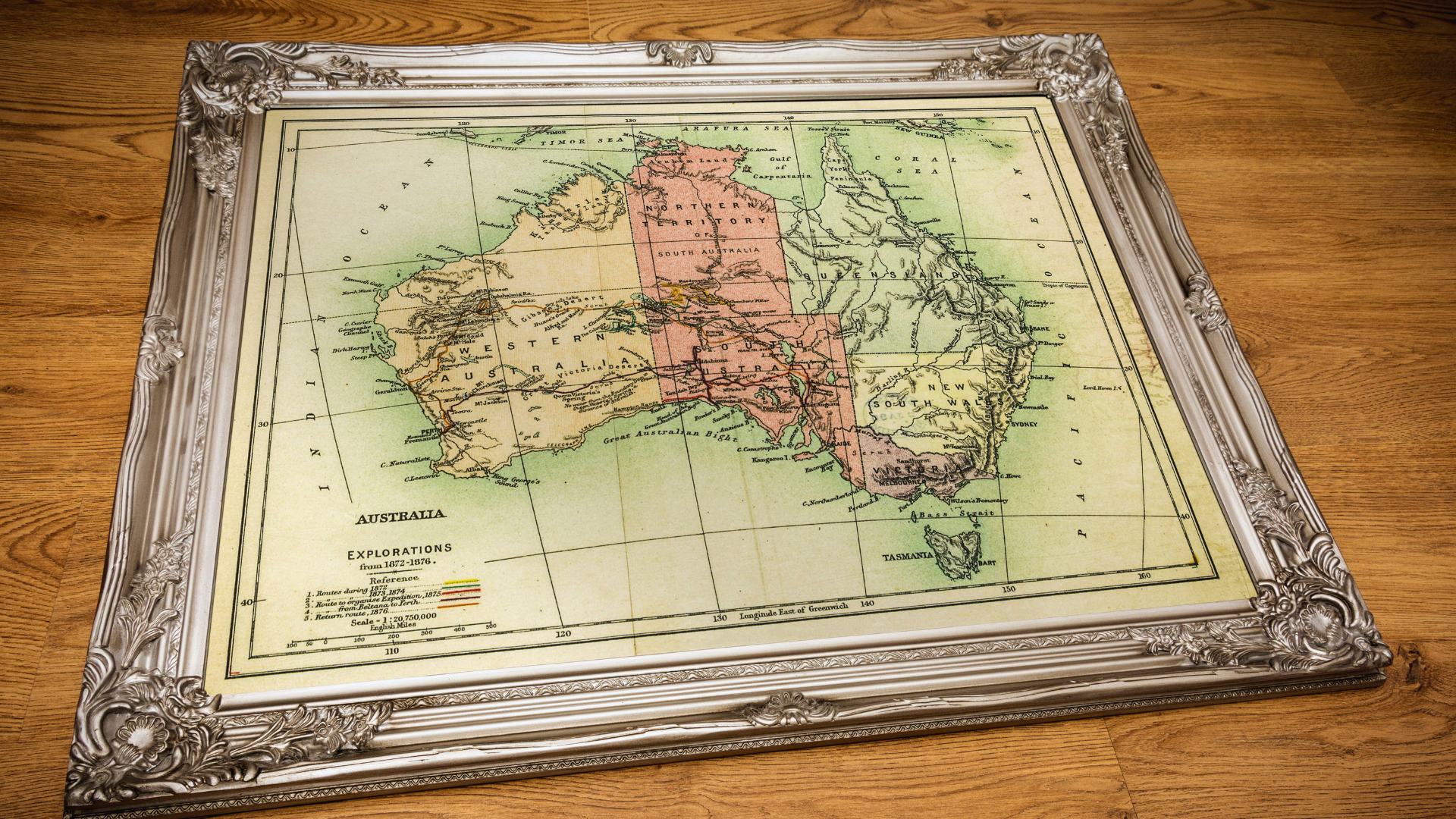
    Vintage world maps serve as striking backdrops for displaying souvenirs. Framed maps can be visually arresting, highlighting the locations of past travels.

    In addition to the map itself, attaching small flags or markers on the areas visited provides an interactive element. This invites viewers to engage with the display and encourages storytelling.

    Using both large and smaller framed maps can create a layered effect on the wall. Combining these maps with related memorabilia displays adds context and enhances the overall design.

    Enhancing Visuals With Retro Travel Posters

    Retro travel posters are visually appealing and evoke nostalgia. They can be featured prominently in a travel-themed display, complementing other souvenirs.

    Positioning these posters alongside photographs or framed maps creates a dynamic visual narrative. Mixing different printing styles helps sustain interest across the display.

    Using high-quality reproductions or originals increases their impact while maintaining authenticity. This strategy allows individuals to celebrate their journeys while contributing to their home’s character.

    Shelf and Tabletop Arrangements for Mementos

    Effective shelf and tabletop arrangements can beautifully showcase historical souvenirs while keeping the space organized. Incorporating creative display techniques enhances the aesthetic and personal narrative of the items.

    Arranging Souvenir Shelf Displays

    When creating a souvenir shelf display, consider grouping items by theme or color. This approach creates visual coherence and draws attention to specific mementos.

    Layering is essential; place taller items at the back and shorter ones in front to maintain depth. Vintage treasures can be highlighted using stands or risers to add height variation.

    Utilize a mix of textures and materials. For example, pairing ceramic pieces with wooden elements creates contrast that catches the eye. This method allows each memento to shine while collectively telling a story about travels and experiences.

    Showcasing Collections With Floating Shelves

    Floating shelves provide a minimalist solution for displaying souvenirs. They eliminate the bulkiness of traditional furniture while offering versatile arrangement options.

    Install shelves at varying heights to create dynamic visual interest. This setup allows for larger items to occupy lower spaces while smaller souvenirs can hang above.

    Grouping by size and color enhances the display’s appeal. For instance, a set of travel souvenirs from different countries can be curated alongside similar-colored decorative accents, creating a cohesive narrative across the shelves.

    Styling With Decorative Accents and Natural Elements

    Incorporating decorative accents can elevate a shelf or tabletop display. Consider adding items like candles, small sculptures, or books to fill empty spaces creatively.

    Natural elements, such as plants or stones, offer a refreshing contrast to souvenir displays. A small potted plant can soften sharp lines and add vibrancy to memorabilia.

    Balance is key; ensure that decorative pieces do not overshadow the souvenirs. She can arrange the souvenirs at the forefront and use accents to frame them without detracting from their significance. This harmonious interplay between souvenirs and accents makes the display inviting and engaging.

    Personalized and Thematic Display Ideas

    Creating a unique and engaging display for historical souvenirs can add character to a home. Several creative options exist for showcasing items like travel mementos, each offering a personalized touch that reflects an individual’s journey.

    Creating a Souvenir Wall for Storytelling

    A souvenir wall acts as a visual narrative of travel experiences. This wall can include various travel mementos such as framed passport stamps, flag patches, and fridge magnets from different locations.

    Arranging these items in a grid or collage style allows for flexibility and creativity. The choice of a background color can enhance the visibility of the souvenirs. Consider using a color palette that matches the room’s décor.

    Visitors can easily engage with these displays, prompting stories and memories associated with each item. A well-curated souvenir wall makes an impactful statement and can inspire personal growth through reflection on past experiences.

    Interactive Displays: Push Pins, City Maps, and Pins

    Interactive displays invite participation and curiosity. Using push pins and city maps, one can create an engaging way to show where travels have taken place. Travelers can place pins in various locations on a map, marking each stop along their journey.

    This method allows for a dynamic display that can evolve over time. People often enjoy revisiting and updating their map with each new adventure. Souvenirs can be pinned nearby, creating a cohesive story for each location.

    Incorporating elements such as sewing pins or decorative pins adds a personal touch to the display, enhancing its visual appeal. This interaction fosters conversations and shared experiences, deepening connections among guests.

    Crafting Memory Jars and Framed Keepsakes

    Memory jars serve as a tactile reminder of travels. They can be filled with small items like ticket stubs, seashells, or even local currency. This method provides an opportunity to capture the essence of a journey in one container.

    Each memory jar can be labeled with a location or date, enhancing the sense of nostalgia. Framed keepsakes, such as dried flowers or artwork collected during travels, can complement the jars and contribute to a gallery-style display.

    These items become functional décor while preserving memories. Combining visual aspects with elements of texture creates an engaging experience, inviting viewers to explore the stories contained within the jars.

    Selecting Lighting and Color Palette to Highlight Displays

    Lighting plays a crucial role in how souvenirs are perceived in a display. Soft LED lights or spotlights can draw attention to specific items, creating focal points that enhance their significance.

    Choosing the right color palette is equally important. A cohesive scheme can tie together various pieces, making the display feel harmonious. Neutral backgrounds often work best, allowing the vibrant colors of the souvenirs to stand out.

    Utilizing metallic frames or warm-toned materials can also create a welcoming atmosphere. Thoughtful lighting and color choices enhance the overall presentation, transforming simple souvenirs into captivating visual displays that resonate with viewers.

  • DIY Projects Inspired by Ancient Architecture and Artifacts: Creative Ideas for Modern Makers

    DIY Projects Inspired by Ancient Architecture and Artifacts: Creative Ideas for Modern Makers

    The allure of ancient architecture and artifacts continues to inspire many today, offering a glimpse into the ingenuity of past civilizations. DIY projects inspired by these historical elements not only allow individuals to create unique pieces for their homes but also serve as a way to connect with history. By integrating classical designs and techniques, DIY enthusiasts can transform their spaces while honoring the legacy of ancient cultures.

    Exploring the rich heritage of various ancient civilizations opens up a world of creative possibilities. From replicating decorative elements found in Greco-Roman structures to crafting replicas of artifacts like pottery or sculptures, each project offers a unique opportunity for personal expression. Engaging in these crafts encourages appreciation for the artistry and skill of those who came before, making the creative process both educational and rewarding.

    Whether one is looking to create decorative items, furniture, or smaller art pieces, the fusion of modern DIY techniques with ancient inspirations can lead to exceptional results. With accessible resources and a bit of creativity, anyone can bring a touch of history into their home.

    Examining the Foundations of Ancient Architecture

    Ancient architecture reflects the ingenuity of civilizations shaped by their geography and resources. By studying significant elements and innovations from different cultures, a clearer picture emerges of how these early structures have influenced modern design.

    Influence of Geography and Materials

    Geography played a crucial role in determining architectural styles. Ancient civilizations utilized available materials effectively based on their surroundings. For example, the Egyptians built the pyramids using limestone and granite sourced from nearby quarries.

    In contrast, ancient Greece relied on local marble for its temples, influenced by the mountainous terrain. The choice of materials not only impacted structural integrity but also affected aesthetic appeal. It is evident that the natural landscape directly shaped the evolution of architecture in these regions.

    Key Architectural Elements in Ancient Egypt

    Ancient Egyptian architecture is characterized by monumental structures, particularly the pyramids. These pyramids served as tombs for pharaohs and were built to last for eternity. The Great Pyramid of Giza is a prime example, illustrating advanced engineering techniques for its time.

    Key elements also include massive stone columns, hieroglyphics adorning interior walls, and obelisks. Each of these features carries historical significance, reflecting the culture’s beliefs in the afterlife and the divine. The alignment of structures with celestial bodies demonstrated their deep connection to astronomy.

    Structural Innovations from Ancient Greece and Rome

    Ancient Greece introduced key innovations like the use of columns, which enhanced both strength and beauty. The Doric, Ionic, and Corinthian columns each had distinct designs and purposes. This diversity provided flexibility in architectural expression.

    Ancient Rome advanced these concepts further through the invention of the arch and the dome, essential for larger, more complex buildings. Structures such as the Colosseum and Pantheon showcase these elements, indicating a shift towards public spaces.

    These innovations allowed for expansive structures and improved functionality, impacting subsequent architectural styles throughout history. The blend of practical engineering with artistic flair set a standard still appreciated in modern architecture.

    Hands-On DIY Projects Inspired by Ancient Civilizations

    Exploring hands-on projects allows individuals to connect with the rich history of ancient civilizations. These activities foster creativity and learning while providing insights into the techniques and artifacts of early cultures.

    Building Egyptian Pyramid Models

    Creating a model of the Egyptian pyramids can be both educational and fun. To start, gather materials such as cardboard, foam, or clay.

    • Choose the Pyramid: Select a specific pyramid, like the Great Pyramid of Giza, for inspiration.
    • Design: Use a protractor and ruler to outline the base and calculate the slope angles.
    • Construction: Carefully cut and assemble the materials to mimic the pyramid’s shape.

    Paint it with sandy colors to accurately represent the desert surroundings. This project not only enhances understanding of ancient Egyptian engineering but also sparks interest in architecture.

    Crafting Papyrus Paper and Hieroglyphics

    Crafting papyrus paper connects students to ancient Egyptian writing methods. Materials needed include strips of dried reeds, a flat surface, and a weight for pressing.

    • Prepare the Reeds: Cut the reeds into 1-inch strips.
    • Layering: Overlap the strips in a horizontal manner, then layer another set vertically.
    • Pressing: Cover the arrangement with a flat surface and apply weight for several days.

    Once the paper dries, use it to write hieroglyphics. Employ resources or guides to recreate symbols and convey messages, enhancing understanding of this ancient form of communication.

    Recreating Mesopotamian Ziggurats

    Building a Ziggurat model offers insight into the architectural advancements of ancient Mesopotamia. Start with cardboard or modeling clay for construction.

    • Base Layout: Create a square base, preferably 3-4 tiers high, representing the multi-storied ziggurat design.
    • Construction: Gradually ascend each layer, ensuring each tier is smaller than the one below it.
    • Details: Add decorative elements, such as miniature trees or water features around the base, reflecting the environment these structures stood in.

    This project illustrates the significance of religion and governance in Mesopotamian society.

    Roman Mosaic Art for Modern Spaces

    Mosaic art offers a hands-on way to explore Roman aesthetics. Collect materials like colored tiles, glass, or even paper.

    • Design Planning: Sketch a design on paper. Popular motifs include geometric patterns or nature themes.
    • Base Surface: Prepare a plywood or canvas base for the mosaic.
    • Assembly: Adhere the pieces carefully onto the base, advocating patience and creativity as they form their designs.

    Seal with grout to finish. The final artwork serves as a vibrant addition to living spaces and a conversation starter about ancient craftsmanship.

    Exploring Cultural Meanings and Symbolism

    Cultural artifacts and architectural designs from ancient civilizations convey deep meanings and represent various beliefs. Each civilization integrated its religious, social, and artistic narratives into its creations, showcasing the values it held dear.

    Interpreting Egyptian Art and Deities

    Egyptian art is steeped in religious significance, often portraying gods such as Ra, Osiris, and Isis. These deities were depicted in human and animal forms, symbolizing their powers and attributes.

    Key Aspects:

    • Hieroglyphs: Used to communicate with the divine, these symbols appear in temples and tombs.
    • Symbolism: Color and posture in artwork convey messages; for example, blue often represents fertility, while red may indicate chaos.

    Crafting DIY projects inspired by these elements can lead to a greater understanding of their intended meanings.

    Telling Stories Through Ancient Greek Mythology

    Ancient Greek mythology has profoundly influenced art and literature. Myths about heroes such as Hercules and gods, including Zeus, served both educational and religious purposes.

    Significant Elements:

    • Sculptures: Marble statues depicted mythological scenes, emphasizing human emotion and divinity.
    • Pottery: Illustrations on pottery often depicted mythological events, providing a narrative of culture and beliefs.

    DIY projects that incorporate these themes can help individuals connect with Greek heritage and storytelling traditions.

    Symbolic Patterns in Roman and Chinese Art

    Both Roman and Chinese art are rich in symbolism, reflecting social and political themes. Roman mosaics often depicted victories, whereas Chinese art incorporated motifs like dragons to symbolize power and good fortune.

    Notable Features:

    • Roman Architecture: Columns and arches symbolize strength and innovation in engineering.
    • Chinese Artistic Values: Nature motifs emphasize balance and harmony within art.

    Engaging with these symbols through DIY projects can foster appreciation for the artistic narratives these cultures have shared throughout history.

    Modern Adaptations and Creative Extensions

    This section explores the integration of traditional techniques into contemporary decor, educational projects that engage both classrooms and families, and the importance of safety and sustainable material use in DIY projects inspired by ancient architecture and artifacts.

    Incorporating Traditional Techniques in Contemporary Decor

    Modern interpretations of ancient architectural styles can transform everyday spaces. For instance, artisans often incorporate molding and decorative plasterwork inspired by classical designs.

    Using natural pigments for paint, reminiscent of ancient Roman techniques, can enhance the authenticity of decorative projects. Techniques such as tessellation found in Islamic architecture create beautiful, intricate tile arrangements in bathrooms or kitchens.

    By incorporating traditional craftsmanship, individuals not only add character to their homes but also celebrate cultural heritage, telling the story of the world’s architectural journey.

    Educational Projects for Classrooms and Families

    Teachers and families can engage children with hands-on projects that reflect ancient cultures. Coloring pages featuring famous structures like the Parthenon or the Colosseum can spark interest in history and architecture.

    Building simple models of ancient artifacts or structures helps to visualize their significance. Using materials commonly found at home, families can recreate the Roman arch or a Greek column, encouraging discussions about the purposes of these designs.

    Incorporating lessons about historical contexts, including the stories of soldiers who built such structures, adds depth to these activities, making learning interactive and enjoyable.

    Ensuring Safety and Sustainable Material Use

    Safety should always be a priority in DIY projects. Wearing safety goggles protects eyes during activities involving cutting or assembly.

    Using sustainable materials, such as reclaimed wood or non-toxic paints, aligns modern projects with environmentally friendly practices. This approach reflects ancient builders’ respect for natural resources, ensuring that contemporary adaptations do not compromise ecological integrity.

    Moreover, sourcing materials from local suppliers not only supports the community but also reduces the carbon footprint associated with transportation. This conscientious planning enhances the overall value of the project.

  • The Influence of Ancient Philosophies on Modern Self-Care Practices

    The Influence of Ancient Philosophies on Modern Self-Care Practices

    Ancient philosophies offer timeless wisdom that resonates with the modern quest for self-care. Practices rooted in Stoicism, Buddhism, and Taoism emphasize mindfulness, balance, and inner strength, which are crucial for navigating today’s fast-paced world. These philosophical teachings provide a framework for individuals seeking to enhance their well-being through reflective practices and intentional living.

    As the pressures of contemporary life mount, many turn to these ancient ideologies for guidance. The principles of moderation, self-reflection, and compassion found in these philosophies are increasingly relevant today. Adopting these values can empower individuals to cultivate a deeper connection with themselves and their surroundings.

    Exploring the intersections between ancient thought and modern self-care reveals practical strategies for personal growth. By integrating philosophical insights into daily routines, individuals can foster resilience and emotional health. The lasting impact of these philosophies helps shape a more thoughtful approach to self-care that is both profound and practical.

    Foundations of Ancient Philosophy in Self-Care

    Ancient philosophies laid the groundwork for modern self-care practices, emphasizing values like balance, wellness, and the interconnectedness of mind and body. These philosophies continue to inform contemporary approaches to personal well-being.

    Principles from Ancient Civilizations

    Ancient civilizations, such as those in Greece, China, and India, contributed immensely to self-care concepts. They advocated for a holistic approach, viewing health as a balance between physical, emotional, and spiritual well-being.

    The Greeks, particularly through Socrates and Aristotle, promoted self-examination and moderation. Their ideas encourage individuals to reflect on their life choices, cultivating a sense of balance.

    In contrast, Chinese philosophy emphasizes harmony with nature and the flow of energy, or Qi. Practices like Tai Chi and acupuncture stem from this understanding. Similarly, Ayurveda from India focuses on bodily systems and the importance of diet, lifestyle, and mental health.

    Core Philosophies Impacting Modern Practices

    Several core philosophies emerged from ancient thought that directly impact modern self-care. Stoicism, with its focus on resilience and personal agency, encourages individuals to manage their emotions and reactions, fostering mental clarity.

    Buddhism contributes mindfulness practices, promoting awareness and meditation. These techniques help manage stress and encourage present-moment awareness, forming essential components of self-care in today’s society.

    Additionally, Confucianism underlines the importance of community and relationships. Modern self-care often emphasizes social connections as vital for emotional stability, reflecting ancient teachings.

    Interconnectedness of Mind and Body

    The view of the mind and body as interconnected began with ancient philosophies. Greek thinkers, like Hippocrates, advised on the relationship between mental states and physical health, laying the foundation for modern psychology.

    Eastern philosophies similarly emphasize this connection. In Traditional Chinese Medicine, emotional health is directly linked to physical health. Practices like meditation and yoga support this unity, showing that emotional well-being can impact physical conditions.

    Modern self-care increasingly recognizes the need for a multi-faceted approach, integrating mindfulness, physical activity, and emotional support. This holistic perspective aligns closely with ancient principles, demonstrating their lasting relevance.

    Transformative Practices: From Ancient Rituals to Modern Wellness

    Ancient philosophies have shaped numerous transformative practices essential for modern self-care. These practices promote physical health, mental clarity, and emotional balance, making them indispensable in contemporary wellness routines.

    Meditation, Mindfulness, and Balance

    Meditation and mindfulness have roots in ancient traditions, particularly in Eastern philosophies. They foster a deep sense of awareness and presence, which can enhance emotional resilience. Regular engagement in these practices helps individuals manage stress, improve concentration, and cultivate inner peace.

    Meditative techniques often involve focused breathing and visualization. Incorporating a few minutes daily can create a significant impact. Furthermore, many modern self-care routines integrate mindfulness exercises, such as mindful eating or walking, to enhance daily experiences.

    Physical Activity and Exercise

    Ancient cultures recognized the significance of physical activity in promoting health and longevity. Practices like yoga and tai chi combine physical movement with mindfulness, promoting balance and flexibility. This holistic approach connects the body and mind, ensuring that physical exercise also benefits mental clarity.

    Modern wellness emphasizes regular physical activity through various forms of exercise. From structured workouts to recreational sports, the choices available cater to diverse preferences. A consistent exercise routine can help detoxify the body and enhance overall vitality.

    Healing Through Natural Remedies and Herbal Medicine

    Ancient healing practices often utilized natural remedies and herbal medicine to treat ailments. These approaches focus on the body’s innate ability to heal itself, harnessing the power of plants and natural substances. Modern self-care increasingly incorporates these techniques, promoting wellness without relying solely on pharmaceuticals.

    Herbal tinctures, teas, and essential oils are common in today’s practices. For instance, chamomile and lavender are known for their calming effects. Incorporating these remedies into daily routines enhances both physical health and emotional well-being.

    Holistic Approaches to Mental Health

    Holistic mental health approaches draw from ancient wisdom, recognizing the interconnectedness of mind, body, and spirit. Techniques such as aromatherapy, journaling, and gratitude practices are increasingly popular in modern self-care. They encourage individuals to explore their feelings and foster emotional balance.

    The integration of physical health, spiritual practices, and emotional clarity forms the foundation of holistic mental health. This multifaceted approach proves effective for managing anxiety and depression. By considering the whole person, one can achieve lasting wellness and inner harmony.

    Philosophical Schools and Their Modern Self-Care Influence

    Ancient philosophies provide valuable insights into modern self-care practices. They emphasize resilience, control, and happiness, helping individuals navigate personal growth and wellness.

    Stoicism: Resilience, Control, and Inner Strength

    Stoicism teaches that individuals can cultivate resilience by focusing on what is within their control. This philosophy encourages people to differentiate between external events and their reactions.

    By practicing self-discipline and mindfulness, they can develop inner strength. Techniques such as negative visualization prepare individuals for life’s challenges by fostering acceptance and reducing anxiety.

    In modern self-care, Stoicism is reflected in practices like journaling and cognitive reframing. These methods promote emotional regulation and help people respond to stress more effectively.

    Epicureanism: The Pursuit of Happiness and Well-Being

    Epicureanism posits that happiness is achieved through the pursuit of simple pleasures and meaningful connections. This philosophy prioritizes mental well-being over material wealth, emphasizing the importance of friendship and community.

    Modern wellness trends incorporate these ideas by encouraging mindfulness and gratitude practices. They advocate for savoring experiences rather than accumulating possessions.

    Epicurean practices also include moderation, which contributes to long-term well-being. This is evident in the promotion of balanced diets and self-care routines that focus on nurturing both the body and mind.

    Yoga and Ayurveda: Ancient Pathways to Health

    Yoga and Ayurveda are interconnected systems rooted in ancient Indian philosophy. They emphasize holistic health—integrating body, mind, and spirit.

    Yoga promotes physical and mental well-being through postures and breath control. It enhances flexibility, strength, and stress relief, making it a valuable component of modern self-care.

    Ayurveda offers personalized approaches to health. It focuses on diet, herbal remedies, and lifestyle choices tailored to individual constitutions. This alignment with natural rhythms supports overall wellness.

    Both practices underline the significance of balance within oneself, reflecting a growing trend in self-care focused on integration and harmony.

    Traditional Chinese Medicine and Integration

    Traditional Chinese Medicine (TCM) emphasizes balance among bodily systems. It uses techniques such as acupuncture, herbal medicine, and tai chi to promote health.

    Modern self-care has increasingly integrated TCM principles. Practices like acupuncture are now widely accepted for managing stress and pain.

    TCM’s focus on prevention rather than treatment resonates with current wellness approaches. This philosophy encourages proactive health measures, such as mindfulness practices and dietary adjustments, contributing to lasting well-being.

    Influential Ancient Cultures Shaping Modern Self-Care

    Ancient cultures have left significant legacies that continue to inform modern self-care practices. The contributions of ancient Greece, Rome, Egypt, and the Mayans play a pivotal role in shaping contemporary approaches to health and wellness.

    Contributions from Ancient Greece

    Ancient Greece set the foundation for many principles of modern self-care. The Greeks emphasized the importance of balance through the concept of harmony between body and mind. Figures such as Hippocrates promoted the idea that health was tied to diet and lifestyle.

    Asclepius, the Greek god of healing, was central to practices involving healing temples. Public baths and gymnasiums were commonplace, focusing on both physical fitness and hygiene. Ancient Greeks also valued communal activities, as seen in the Olympic Games, which fostered physical competition and wellness.

    Ancient Rome’s Lasting Legacy

    Ancient Rome adopted and advanced many Greek health concepts, emphasizing public health through structured sanitation systems and communal baths. The Romans promoted the idea of wellness through regular hygiene, exercise, and nutrition.

    Roman surgical practices were notably progressive for their time, laying the groundwork for modern medicine. They created elaborate public bathhouses that served as social hubs. These baths facilitated relaxation and community bonding, integral aspects of self-care that persist today.

    Wellness Practices in Ancient Egypt

    Ancient Egyptians placed high importance on spiritual and physical well-being. They believed that health was a gift from the gods and practiced various rituals to maintain it. Their use of herbal medicine is well-documented, reflecting a deep understanding of natural remedies.

    They also engaged in sun worship and meditation, illustrating a holistic approach to health. Public health measures included maintaining cleanliness and employing skilled practitioners for care. Such practices set precedents for modern integrative self-care.

    Impact of Mayan Principles

    Mayan civilization incorporated a holistic approach to health, intertwining spirituality with physical care. They practiced advanced agricultural methods, recognizing the importance of nutrition in well-being. Herbal remedies and ritualistic practices were fundamental in maintaining health.

    The Mayans also emphasized mental health, fostering community gatherings and promoting mindfulness. Their understanding of disease and its connection to environmental factors still resonates in modern self-care philosophies. The blend of body, mind, and community remains a vital aspect of contemporary wellness practices.

  • The Most Intriguing Artifacts Ever Discovered: Unveiling Mysteries from Our Past

    The Most Intriguing Artifacts Ever Discovered: Unveiling Mysteries from Our Past

    Throughout history, countless archaeological discoveries have unveiled artifacts that offer a glimpse into ancient civilizations. These items not only tell stories of the past but also provoke curiosity about the lives of those who came before. Among the most intriguing artifacts ever discovered are the Antikythera Mechanism, the Terracotta Army, and the Rosetta Stone, each providing unique insights into human achievement and culture.

    Artifacts like these serve as powerful reminders of humanity’s enduring quest for knowledge and innovation. Each discovery opens a window into the technological advancements, artistic expressions, and everyday lives of ancient peoples. By examining these remarkable objects, one can appreciate the complexities and richness of human history.

    The field of archaeology continues to evolve, revealing new finds that challenge existing narratives. As researchers unearth more artifacts, they add depth to our understanding of ancient societies and their contributions to modern civilization. These findings stimulate ongoing interest and dialogue about our collective heritage.

    Groundbreaking Archaeological Discoveries

    Numerous archaeological discoveries have transformed our understanding of ancient civilizations. These findings, encompassing advanced knowledge and practices of prehistoric peoples, offer valuable insights into human history and cultural development.

    Gobekli Tepe

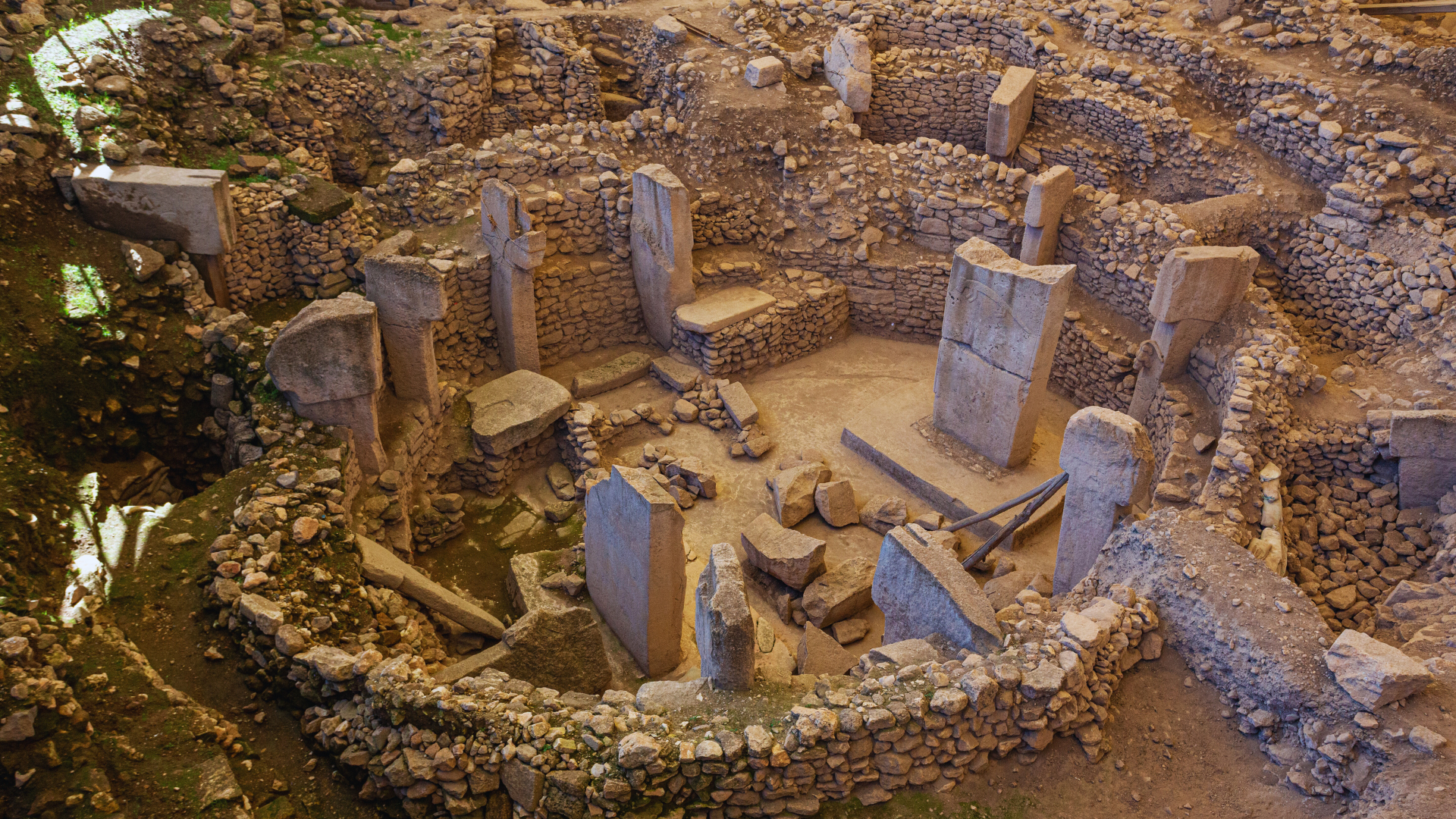
    Gobekli Tepe, located in modern-day Turkey, is one of the earliest known monumental structures. Dating back to around 9600 BCE, it predates Stonehenge by several millennia. This archaeological find consists of massive stone pillars arranged in circular configurations, showcasing intricate carvings of animals.

    The site’s purpose remains a subject of debate, but it appears to have been a significant ritual center for early hunter-gatherers. Its construction implies a high degree of social organization and advanced knowledge, challenging previous assumptions about the capabilities of prehistoric civilizations.

    The Dead Sea Scrolls

    The Dead Sea Scrolls, discovered between 1947 and 1956 near the Dead Sea, comprise over 800 ancient manuscripts. These texts include biblical scriptures, sectarian writings, and various religious artifacts. Their age ranges from the third century BCE to the first century CE, providing critical insights into Jewish history and early Christianity.

    Among these scrolls is the Isaiah Scroll, one of the best-preserved biblical texts, which enhances understanding of religious practices and beliefs during that era. Scholars regard these writings as crucial for the study of ancient languages and cultural contexts.

    Stonehenge

    Stonehenge, located in Wiltshire, England, is one of the most famous prehistoric monuments. Estimated to have been constructed between 3000 and 2000 BCE, it features a circular arrangement of large standing stones, some weighing over 25 tons. Stonehenge is thought to have served as both a burial ground and a ceremonial site.

    Research suggests its role in astronomical observations. The alignment of the stones with celestial events, such as solstices, reveals the advanced knowledge of ancient cultures regarding astronomy. This aspect highlights the complexity of their societal structures and belief systems.

    The World’s Most Mysterious Artifacts

    Several artifacts from ancient history stand out for their enigmatic qualities and potential implications for our understanding of past civilizations. Each of these items raises questions about advanced knowledge and the historical narratives surrounding their existence.

    Antikythera Mechanism

    The Antikythera Mechanism, discovered in a shipwreck off the Greek island of Antikythera in 1901, is a remarkable example of ancient engineering. This intricate device dates back to around 150-100 BC and is believed to be the world’s first analog computer.

    Its primary function was to predict astronomical positions and eclipses for calendrical and astrological purposes. The mechanism features a series of gears that indicate celestial events, demonstrating an advanced understanding of astronomy. Its complexity suggests that the Greeks possessed knowledge that would not reappear until the Renaissance.

    The Voynich Manuscript

    The Voynich Manuscript is an illustrated codex, written in an unknown script and dating back to the early 15th century. Discovered in 1912 by rare book dealer Wilfrid Voynich, it contains detailed illustrations of plants, astronomical diagrams, and human figures, but its text remains undeciphered.

    Scholars have debated the manuscript’s origin, purpose, and the meaning of its content for decades. Many theories suggest it could be a hoax, a lost language, or even a form of advanced knowledge. This mysterious artifact challenges historical narratives and invites cryptologists and historians to continue their quest for answers.

    Piri Reis Map

    The Piri Reis Map, created in 1513 by the Ottoman admiral Piri Reis, is notable for its detailed depiction of parts of Europe, Africa, and the Americas. The map is particularly intriguing due to its accuracy for geographical features that were not well-documented at the time.

    The map suggests that it may have been derived from earlier sources, potentially including lost civilizations with advanced navigational skills. Its portrayal of coastlines and missing landmasses raises questions about the knowledge of ancient explorers and their capabilities in cartography.

    Baghdad Battery

    The Baghdad Battery, discovered in Iraq and believed to date back to the Parthian period (around 250 BC to AD 250), is an artifact that has sparked curiosity due to its potential use as an ancient galvanic cell. It consists of a clay jar, a copper cylinder, and an iron rod.

    When filled with an acidic solution, it could generate an electric current. The implications of this artifact suggest that ancient societies may have had a basic understanding of electricity, challenging previous assumptions about technological advancements in ancient history. Its purpose remains debated, yet its existence indicates the possibility of advanced scientific knowledge.

    Puzzling Relics and Unexplained Phenomena

    Throughout history, numerous artifacts have baffled researchers and archaeologists. These relics raise questions about ancient civilizations and their knowledge, technology, and beliefs. Several artifacts stand out for their enigmatic nature and the mysteries they continue to inspire.

    Shroud of Turin

    The Shroud of Turin is a burial cloth that bears the image of a crucified man, believed by many to be Jesus of Nazareth. Measuring approximately 14 feet long and 3.5 feet wide, it is crafted from linen with a faint, detailed image that has intrigued believers and skeptics alike.

    Despite carbon dating that suggested the cloth dates back to the Middle Ages, some argue its origins align with the time of Christ due to its historical significance and the nature of its markings. Scientific investigations have analyzed the fabric for traces of blood, pollen, and other materials.

    Many religious adherents view the shroud as a significant artifact, holding deep spiritual meaning, while others focus on its textile and forensic characteristics, fostering continual debate around its authenticity.

    Nasca Lines and Other Geoglyphs

    The Nazca Lines are a collection of massive geoglyphs located in the Nazca Desert of Peru. Created between 500 BCE and 500 CE, these intricate designs depict animals, plants, and geometric shapes, spanning several kilometers.

    Their purpose remains uncertain, with theories ranging from astronomical alignments to water-related rituals. Some researchers suggest they were intended for deities, perhaps linked to celestial events, while others propose they served as navigation aids for ancient civilizations.

    The complexity and scale of the Nazca Lines, combined with their visibility from the air, raise significant questions about the ingenuity and capabilities of the cultures that produced them. They embody the intersection of art, science, and spirituality from a bygone era.

    Crystal Skulls

    Crystal skulls have fascinated many due to their mysterious origins and purpose. Crafted from quartz crystal, some claim these artifacts possess mystical or healing properties. The most famous is known as the “Mitchell-Hedges Skull,” discovered in Belize in the 1920s.

    Many of these skulls display intricate carvings, suggesting high-level craftsmanship from ancient history. The artifacts have been linked to lost civilizations, with some asserting they are remnants of Atlantean technology.

    Skeptics argue that they may have been fabricated in the 19th century, casting doubt on their prehistoric lineage. Investigations continue, balancing scientific scrutiny and cultural lore, as the allure of these relics remains strong in popular culture.

    Roman Dodecahedrons

    Roman dodecahedrons are small, hollow objects made of stone or metal, dating back to the 2nd or 3rd century CE. These unique artifacts feature twelve flat pentagonal faces, often seen with varying openings. Their exact function is still debated among historians.

    Theories suggest they may have served as measuring instruments, possibly for calculating time or distance, with connections to astronomical observations. Other proposed uses include game pieces or religious artifacts used in rituals.

    Despite numerous hypotheses, no definitive explanation has emerged. The ambiguity of their purpose, combined with their intricate design, makes them a captivating aspect of Roman material culture and a testament to the complexity of ancient engineering.

    Enigmatic Finds Across the Globe

    This section explores remarkable artifacts that have sparked curiosity and debate among historians and archaeologists. Each discovery offers a glimpse into the capabilities and cultures of ancient civilizations.

    Stone Spheres of Costa Rica

    The Stone Spheres of Costa Rica consist of over 300 spherical stones varying in size from a few inches to over two meters in diameter. Crafted from limestone, the largest stones weigh several tons. Predominantly found in the Diquís Delta, their precise purpose remains elusive.

    Some theories suggest they served as status symbols, marking territory, or even astronomical alignments. Their perfectly polished surfaces showcase the skill of ancient artisans. The spheres are considered a UNESCO World Heritage Site, underscoring their cultural importance.

    Cochno Stone

    The Cochno Stone, located near Glasgow, Scotland, features intricate carvings that date back around 5,000 years. This Neolithic stone is notable for its distinct designs, including spiral motifs and anthropomorphic figures. Its discovery in 1887 revealed a wealth of historical narratives about prehistoric societies.

    The exact purpose of the carvings remains a subject of speculation. Some propose that they served ritualistic functions or acted as a means of recording history. The stone was covered again to protect it, highlighting the importance of preserving such artifacts for future generations.

    Sacsayhuamán Walls

    Sacsayhuamán is an impressive archaeological site in Peru, renowned for its massive stone walls constructed by the Inca civilization. The walls are composed of large, precisely cut stones that fit together without mortar, demonstrating advanced engineering techniques.

    Some stones weigh over 120 tons, showcasing the Incas’ capabilities in overcoming logistical challenges. The site holds great historical significance, reflecting the power and ingenuity of the Inca Empire. Its ongoing excavation contributes to understanding the societal structures and architectural achievements of ancient Peru.

    Sanxingdui Artifacts

    The Sanxingdui site, located in Sichuan province, China, has revealed extraordinary artifacts from a civilization that thrived around 3,000 years ago. Notable finds include bronze masks, vessels, and intricate figurines, which suggest a highly advanced society with unique artistic expressions.

    These artifacts diverge from contemporary Chinese styles, raising questions about regional cultures and exchanges. The discoveries at Sanxingdui illustrate the complexity of ancient Chinese civilization and its contributions to global history. Ongoing research continues to unearth insights into this enigmatic culture.

  • Using Historical Stamps and Postcards for Creative Projects: Unleashing Your Artistic Potential

    Using Historical Stamps and Postcards for Creative Projects: Unleashing Your Artistic Potential

    Historical stamps and postcards offer a unique blend of nostalgia and creativity, making them ideal for various artistic projects. Using these vintage items can enhance scrapbooking, crafting, or mixed media art by adding a layer of history and a personal touch. The visual appeal of stamps and postcards can serve as inspiring focal points or subtle backgrounds in creative endeavors.

    Many artists and crafters appreciate the tactile quality and the stories embedded in these pieces. Each stamp and postcard carries its own narrative, which can spark new ideas and themes for projects. By incorporating these artifacts, creators can transform ordinary items into something truly unique and meaningful.

    Engaging with historical stamps and postcards not only cultivates creativity but also encourages a deeper appreciation for the past. Utilizing these elements can bring a sense of authenticity to modern creations, breathing new life into artistic expressions while celebrating history.

    Selecting and Sourcing Historical Stamps and Postcards

    When embarking on creative projects involving historical stamps and postcards, selecting authentic materials is crucial. Understanding where to find these items and considering ethical implications will enhance the creative process.

    Identifying Authentic Old Stamps and Postcards

    Authenticity is key when collecting old stamps and postcards. Several factors indicate whether an item is genuine:

    • Condition: Look for signs of wear that reflect age, such as yellowing or fading.
    • Design Elements: Familiarize oneself with the typical designs from different eras to spot reproductions.
    • Perforations and Printing Techniques: Different printing methods were used historically. Noticing these can help distinguish genuine items.

    It is advisable to consult catalogs or online databases specializing in philately. This can provide insights into markings and characteristics that confirm authenticity.

    Where to Find Vintage Materials for Creative Use

    A variety of avenues exist for sourcing vintage stamps and postcards:

    • Antique Shops: These places often carry a selection of collectibles.
    • Flea Markets and Garage Sales: Occasionally yield unexpected finds at lower prices.
    • Online Marketplaces: Websites like eBay, Etsy, or specialized stamp dealers can offer extensive selections. Always check seller reviews to ensure reliability.

    Local postal museums may also feature exhibits and offer items for sale. Connecting with collector communities through forums can lead to exchanges or sales.

    Ethical Considerations When Using Collectible Items

    When using old stamps and postcards in projects, ethical considerations should guide choices.

    • Preservation: Consider if the item can withstand being altered. Some stamps may be better preserved in their original form.
    • Cultural Sensitivity: Understand the historical context of stamps and postcards. Avoid using items that may be offensive or inappropriate in certain contexts.
    • Fair Trade Practices: Ensure that vintage materials are sourced from reputable dealers who adhere to ethical guidelines.

    These considerations help maintain respect for the item’s history and the community of collectors.

    Creative Techniques for Incorporating Stamps and Postcards

    Using stamps and postcards can enhance creative projects through various techniques that celebrate their historical and aesthetic value. This section explores practical applications for incorporating these items into artistic endeavors.

    Collage Methods with Postage Stamps

    Collaging with postage stamps allows for an engaging way to create unique art pieces. Stamps can be combined with other materials like paper scraps, photographs, or fabric.

    Steps for Collage Creation:

    • Select a Theme: Choose colors or images that complement each other.
    • Gather Materials: Collect stamps, background paper, and glue.
    • Layering: Start by placing larger pieces and layering stamps over them for depth.

    Artists can arrange stamps at different angles or mix sizes for visual interest. This technique not only showcases the stamps but also creates a story through their combinations.

    Stamp Art and Postage Stamp Art for Home Decor

    Stamp art focuses on transforming stamps into decoration for homes. Techniques include framing individual stamps or creating larger compositions that enhance wall spaces.

    Ideas for Home Decor:

    • Framed Displays: Use shadow boxes to highlight stamps with their historical context.
    • Mosaic Effects: Combine multiple stamps in a grid pattern for a festive look.
    • Personalized Art: Incorporate stamps that represent personal milestones or travels.

    Using stamps for decor can add a nostalgic touch to interior spaces while showcasing creativity.

    Decoupage and Mod Podge Applications

    Decoupage with stamps and postcards involves adhering these materials onto various surfaces using Mod Podge. This craft technique is versatile and can transform everyday items into art pieces.

    Decoupage Steps:

    • Prepare the Surface: Clean and dry surfaces, like boxes or furniture.
    • Cut and Arrange: Trim postcards or stamps to fit the desired area.
    • Adhere with Mod Podge: Use a brush to apply a thin layer of Mod Podge on the surface, position the items, and add another layer on top.

    This method creates a durable finish, perfect for items like coasters, tabletops, or decorative boxes. The preserved stamps add character while giving new life to functional objects.

    Handmade Gift Ideas and DIY Projects

    Utilizing historical stamps and postcards opens up a world of creative possibilities. Handmade gifts and DIY projects can add a personal touch while showcasing unique materials. Here are some innovative ideas that can inspire creativity and delight recipients.

    Creating Greeting Cards and Gift Tags

    Crafting greeting cards and gift tags with historical stamps and postcards is a fun and personalized endeavor. She can choose cards in various sizes, cutting the postcards into shapes that complement the intended message.

    Using various adhesives and embellishments enhances the visual appeal. For example, a stamped image might become the centerpiece of a card, adorned with ribbons or colored paper.

    Gift tags can be similarly created by cutting stamps into smaller pieces, pairing them with string or twine. This approach makes each tag unique and adds a thoughtful touch to any gift.

    Making Postage Stamp Earrings and Magnets

    Postage stamps can be transformed into stylish earrings and magnets with minimal effort. For earrings, she can cut stamps into desired shapes, ensuring they are lightweight. Using earring hooks and resin can combine beauty with durability.

    Crafting magnets follows a similar process. She can affix stamped images onto magnet sheets, cutting them to size. Adding a protective layer with Mod Podge ensures longevity. Both projects can reflect personal tastes and make memorable gifts.

    Designing Unique Wall Art

    Creating wall art with historical stamps and postcards allows for stunning decor pieces. She can assemble a collage on a canvas, arranging stamps and postcards in visually appealing patterns.

    Framing the finished piece enhances its display. Mixing stamp designs with photographs or text creates dimension and interest.

    Alternatively, creating themed wall art based on color palettes or historical periods adds a cohesive look. This type of project not only serves as unique art but also tells a story, inviting conversation.

    Sharing, Selling, and Supporting Causes with Stamp Creations

    Creating projects using historical stamps and postcards can extend beyond personal enjoyment. They offer opportunities for charitable contributions and innovative fashion statements.

    Donating or Selling Craft Projects for Charity

    Craft projects that incorporate stamps can be a significant asset for charity events. Creators can donate their work to auctions or craft fairs, with proceeds benefiting various causes.

    • Local Charities: Contact local organizations to offer items that can raise funds.
    • Online Platforms: Websites like Etsy allow creators to sell their works. Proceeds can go directly to nonprofits.

    Artwork made from stamps often has a unique appeal. It attracts buyers interested in supporting causes through artistic expression, making every purchase impactful.

    Incorporating Stamps and Postcards in Fashion

    Fashion designers increasingly embrace the charm of vintage stamps and postcards. These elements can be integrated into clothing, accessories, or even footwear.

    • Wearable Art: Items like handbags or jackets can feature stamped designs, connecting history with contemporary style.
    • Fashion Collaborations: Designers often collaborate with artists for limited-edition lines that incorporate these elements.

    Using stamps in fashion not only elevates aesthetics but tells a story. Each piece carries its own narrative, enhancing both the social aspect of creativity and the value of the work.

  • 6 Best Movies About Dinosaurs

    6 Best Movies About Dinosaurs

    Whether you are a fan of the Jurassic Park franchise or just love any dinosaur-themed film, there is no doubt that dinosaurs have captured the imagination of audiences around the world. In this guide, we’re going to take a look at 6 of the best movies about dinosaurs.

    Jurassic Park

    Jurassic Park is one of the most popular movies ever made, and for good reason. It’s a fantastic adventure story that takes place on an island where dinosaurs live freely. The cast is great, and the special effects are top-notch. If you’re a fan of dinosaurs or just an excellent movie storyteller, you’ll definitely want to check out Jurassic Park.

    Jurassic World

    Jurassic World is a blockbuster film released in 2015 that tells the story of a theme park that houses genetically modified dinosaurs. The park is visited by tourists who paid to see the animals and are instead subjected to chaotic and deadly events. The movie has received positive reviews from both fans and critics alike, with many praising its visual effects and adventurous storytelling.

    Jurassic Park 3

    Jurassic Park 3 is an American science fiction horror film released in 1993 and directed by Steven Spielberg. The producers of this movie are Kathleen Kennedy and Gerald R. Molen. It is the third installment in the Jurassic Park series, following The Lost World: Jurassic Park (1997) and Jurassic Park II (2001). The screenplay was written by Michael Crichton. It is based on his 1990 novel of the same name.

    The film follows Dr. Ian Malcolm (Jeff Goldblum), who persuades a skeptical John Hammond (Richard Attenborough) to fund an expedition to Isla Sorna to find out whether there are still living dinosaurs on the island. While there, they encounter unexpected dangers, including an active volcano and rampant animal behavior that seems out of place for dinosaurs.

    Spielberg returned as director and producer, while Bryce Dallas Howard and Sam Neill reprise their roles as Drs. Malcolm and Hammond, respectively. The cast also includes Vincent D’Onofrio, Laura Dern, Ariana Richards, Richard Schiff, Barry Pepper, Peter Stormare, and Bob Peck.

    Jurassic Park 3 was released on June 12, 1993, in the United States by Universal Pictures. It grossed over $474 million worldwide on a budget of $130 million. Critical reception was mixed; reviewers praised its special effects but found its plot derivative of previous films in the series.

    Jurassic World 2

    The first Jurassic World was a blockbuster hit and its sequel is set to be just as big. Fans of the series will love this movie for its action, adventure, and dinosaurs. Here are five reasons why you should watch Jurassic World 2:

    • The Dinosaurs are Back! Fans of the first movie will love seeing all of their favorite dinosaurs back in action. The cast includes some new favorites like Indominus Rex and T-Rex, but the classics like Velociraptor and Tyrannosaurus rex are also present.
    • The Action Is Intense. Jurassic World 2 is packed with intense action scenes that will leave you on the edge of your seat. You’ll never want to stop watching because you just don’t know what’s going to happen next.
    • It’s Full of Adventure. Jurassic World 2 is full of adventure, both on land and in the water. You’ll see characters explore huge areas and face dangerous challenges, all while trying to save humanity from a terrifying fate.
    • It’s Funny Too! If you’re looking for a movie that’s filled with laughs, then you should definitely watch Jurassic World 2. The humor in this movie is off the charts and it’ll have you laughing until your stomach hurts.
    • It’s a Family Movie. Jurassic World 2 is perfect for family movie nights. The action is intense, but it’s also full of humor and excitement. You won’t be disappointed if you watch this movie with your loved ones.

    The Land Before Time

    The Land Before Time is a beloved children’s movie series that follows young Timon and his friends as they escape from the tyranny of an evil king and explore the world of dinosaurs. Each installment in the series is unique, with different settings and storylines, but they all share a common thread: the characters learn about life, friendship, and courage while facing off against formidable foes.

    The Good Dinosaur

    The Good Dinosaur is a heartwarming and exciting adventure about a young Apatosaurus named Arlo who learns the importance of family, friendship, and forgiveness. The film is based on the best-selling children’s book by Peter S. Beagle. The movie features an all-star cast that includes Oscar-nominee Jeff Goldblum as Arlo’s mentor, Professor Robert Stroud; Maisie Williams as Arlo’s female friend Spot; Raymond O’Connor as Arlo’s father Haymitch; AJ Michalka as Arlo’s little sister Dennie; Dylan Minnette as Tim Murphy, a boy who befriends Arlo; and Tony Anselmo as Apache Chief, a fearsome dinosaur enemy.

    If you want to watch a dinosaur movie with your kids, then these are great movie choices that you can go for. Surely, you will have a great time with them and the kids will love watching any of these films too.

  • Renoir’s Art: Masterpieces of Painting and Sculpture

    Renoir’s Art: Masterpieces of Painting and Sculpture

    Renoir was a French painter and sculptor who is considered one of the greatest masters of the late 19th and early 20th centuries. His paintings and sculptures reflect his unique style, which was characterized by the use of light and color to convey emotions. In this blog post, we will explore some of the most iconic works by this renowned artist.

    What is Renoir’s Art?

    Renoir is one of the most renowned painters of all time. He was born in 1841 in the town of Caudebec-en-Caux, France to a wealthy family. As a teenager, he studied art at the Lycee Louis-le-Grand in Paris. Renoir started his career as an assistant to Gustave Courbet and then moved to the Atelier de Peindre et de Sculpture run by Georges Seurat.

    Renoir’s early work was often focused on realism and capturing everyday life. However, after attending a showing of Monet’s paintings in 1884, he began to experiment with different techniques and themes. This led to him becoming one of the leading Impressionist painters. Renoir’s later work is characterized by its romanticism and elegance. He died in 1919 at the age of 83.

    The Paintings of Renoir

    Renoir is one of the most renowned painters and sculptors in history. His paintings depict beautiful scenes from nature, and his sculptures are often of elegant women. Renoir was born in 1841 and died in 1919. He was a master of both painting and sculpture, and his work has been admired by many for centuries.

    Renoir’s paintings are some of the most beautiful ever created. He often painted scenes from nature, capturing the beauty of the environment in his paintings. His portraits are also very popular, as they show off the beauty of his subjects perfectly. Renoir’s sculptures are also very beautiful, and often depict elegant women. His work has been praised by many over the years for its beauty and artistry.

    Themes in Renoir’s Art

    Renoir’s art is characterized by its bright colors, expressive brushstrokes, and seemingly effortless techniques. Themes in his paintings and sculptures include love, nature, and joy. One of Renoir’s most famous paintings is “Ballet Russe” (1927). The painting depicts a ballet performance in a grandiose setting. The vibrant colors and lively movement are characteristic of Renoir’s work. “The Dance at Le Moulin de la Galette” (1876) is another popular Renoir painting. It depicts young children playing in a field near a mill. The idyllic scene is contrasted with the harsh reality of poverty, which is evident in the children’s clothing and surroundings. Renoir’s later works often focus on the human figure. “Luncheon at La Varenne” (1916), for example, shows two women seated at a table eating lunch. The women are depicted with realistic detail, revealing their emotions and thoughts to the viewer.

    Renoir was also known for his sculpture. “Bathers at Asnières” (1888-89) is a famous example of his work in this genre. The sculpture shows four female bathers reclining on the banks of the Seine River. Their naked bodies are painted with vibrant colors that contrast sharply with the tranquil environment surrounding them.

    Influences on Renoir’s Art

    Renoir’s art is often associated with Impressionism, but his early works show influences from both French Realist paintings and classical sculpture. As he developed as an artist, he began to favor a more individualized style, influenced by the light and textures of the natural world. He was also a prolific artist, painting many different types of subjects. His most famous works include portraits, landscapes, and still lifes. Many of his later paintings depict people in intimate settings, demonstrating Renoir’s growing interest in human emotions and relationships.

    Light and Shadow

    Renoir’s works span a wide range of media, from painting to sculpture. His paintings are characterized by their luminosity and use of light and shadow, while his sculptures are often delicate and lyrical.

    Renoir was born in 1841 in the city of Paris. He began his artistic career as a painter but soon began to experiment with sculpture, creating some of the earliest pieces in that medium. His early sculptures are characterized by their realism and delicate detail. As he matured as an artist, Renoir became more interested in abstraction, creating work that is less representational and more abstract.

    Renoir’s work is typified by its luminosity and use of light and shadow. His paintings are characterized by their use of light to create a sense of depth and weightlessness, while his sculptures often feature delicate details that are highlighted by the light. His expressive landscapes and figures are some of the most celebrated examples of his artistry. Much has been written about the life and works of Renoir, one of the most celebrated painters and sculptors in history. This article showed you some of his masterpieces and explored why they are so admired.

    We hope that our exploration has given you a better understanding of Renoir’s work and why it is held in such high esteem by art lovers everywhere. If you have never seen any of his paintings or sculptures before, now might be the time to do so!

  • Tips for Starting New Hobbies: 10 Ideas You Must Try

    Tips for Starting New Hobbies: 10 Ideas You Must Try

    Are you interested in starting a new hobby, but don’t know where to start? If so, you’re not alone! In this blog article, we’ll be sharing with you 10 ideas for hobbies you should try out. From cooking and baking to photography and sculpting, there’s something for everyone! So get started on your new hobby today and let us know how it goes!

    Take Up Painting

    Painting is an easy and relaxing hobby that can give you a lot of satisfaction. You can use any canvas and supplies that you have at home. Also, there are a million different painting styles to explore.

    Unlike some hobbies that require specialized equipment or extensive training, painting can be enjoyed by anyone with basic supplies such as brushes, paint, and a canvas or paper. You don’t need to be a professional artist or have formal training to pick up a brush and start creating.

    Start Collecting Coins

    Coins are always a fun topic to collect, and they’re relatively easy to find anywhere. If you don’t have any coins yet, consider starting with common denominations like quarters and dimes.

    Additionally, coin collecting provides a sense of discovery and excitement as collectors hunt for rare or valuable coins to add to their collections. Whether you’re searching for key dates, mint errors, or coins with unique designs or features, the thrill of the hunt can be addictive, driving collectors to explore new avenues and expand their knowledge of numismatics.

    Join a Book Club

    Book clubs provide a great way to explore different books and meet new people in the same hobby. Plus, finding interesting books for book clubs is always a fun challenge!

    Whether you’re a voracious reader or just looking to discover new titles and authors, joining a book club can be a rewarding and enriching experience.
    Moreover, participating in a book club provides a sense of community and camaraderie as you engage in thoughtful conversations and share your insights and perspectives with fellow readers.

    Start Knitting

    Knitting is another easy and relaxing hobby that everyone can enjoy. There are endless patterns and designs available online or in local shops. So there’s sure to be something suitable for your skill level.

    From scarves and hats to sweaters, blankets, and beyond, the possibilities for knitting projects are truly endless. Whether you prefer simple, straightforward patterns or more intricate designs, there’s something out there to suit every taste and skill level.

    Get Into Stamping

    Stamping is another popular craft that anyone with some basic supplies can do. You can create beautiful cards, invitations, or even jewelry using stamps and other crafting materials.

    The process of stamping is simple yet incredibly rewarding. All you need are some stamps, ink pads, and paper or other surfaces to stamp on. Stamps come in a variety of designs, ranging from intricate floral patterns and elegant script to whimsical images and geometric shapes. You can mix and match stamps to create unique compositions, layering different designs and colors to achieve your desired look.

    Play Video Games

    Video games offer an exciting way to spend your free time. Also, they’re perfect for when you want to lose yourself in a world of action and adventure. There are hundreds of different games available, so there’s sure to be one that fits your interests.

    Take “Escape from Tarkov,” for instance, an intense first-person shooter that can drop you into a war-torn city with the mission to scavenge for loot while constantly dodging danger at every turn. To excel in this game, mastering your game tactics and honing your shooting skills for intense firefights is essential. Also, you can use third-party hacks like EFT Coffee Variations to gain an advantage, reveal enemy positions, and enhance your aiming precision. If you are intrigued by the thrill of this game, why not check out these EFT Coffee Variations and get ready to jump into the action right away?

    Then there is “The Witcher 3: Wild Hunt,” a captivating role-playing adventure set in a fantastical world of magic and mystery. And if you are someone who enjoys strategy, “Civilization VI” presents a thrilling journey through time, where you can build and shape your own civilizations, starting from modest origins to global empires.

    One of the most appealing aspects of video games is their versatility. With countless genres and themes to choose from, ranging from action and adventure to role-playing, puzzle-solving, and simulation, there’s something for everyone.

    Take up Photography

    Photography can be an incredibly rewarding hobby. Also, there are endless possibilities for taking amazing pictures. You can start by learning the basics, or explore more advanced techniques if you have the interest and talent.

    Learning how to frame a shot, adjust exposure, and utilize different focal lengths can significantly enhance the quality of your photographs. As you become more comfortable with the fundamentals, you can explore more advanced techniques to further elevate your photography skills.

    Start Gardening

    Gardening is a fun and rewarding hobby that can provide fresh produce all year long. Whether you’re new to gardening or have experience, there are plenty of resources online to help you get started.

    As a part of gardening, you can plant a variety of fruits, vegetables, herbs, and flowers, tailor-made to suit your preferences and available space. Also, are you someone who uses cannabis for various day-to-day purposes and has always dreamt of having your own cannabis cultivation? Well, now is your chance! You can get your hands on some of the strongest autoflower seeds and start your harvesting journey. Plus, harvesting these plants can be quite simple, especially for first-time gardeners like you.

    Moreover, you can enrich your gardening experience through composting and fostering nutrient-rich soil for your plants. Additionally, you can enhance the beauty and protection of your garden by considering tree edging, and you can conveniently purchase the tools for tree edging from The Ideal Garden. Also, consider embracing biodiversity by attracting beneficial insects and pollinators with native plants.

    Keep in mind, however, that maintaining a garden goes beyond just planting seeds and watering plants. It requires careful attention to various aspects, including having the right tools and ensuring the proper functioning of essential equipment like sprinkler systems.

    Firstly, having the right tools is essential for efficient gardening. Shovels, trowels, pruners, and cultivators are just a few examples of tools that can make tasks like planting, weeding, and pruning much easier and more effective. Using the appropriate tools not only saves time and effort but also promotes healthy plant growth by minimizing damage during tasks.

    Additionally, fertilizers play a crucial role in providing essential nutrients to plants, promoting healthy development, blooming, and fruiting. Understanding the specific nutrient needs of your plants and using the right type and amount of fertilizer can significantly impact their overall health and productivity.

    Moreover, proper irrigation is fundamental for maintaining optimal soil moisture levels and ensuring that plants receive an adequate water supply. Sprinkler systems are a popular choice for watering large garden areas efficiently. However, these systems require periodic maintenance to ensure they operate effectively.

    Over time, sprinklers may develop issues such as clogs, leaks, or misaligned spray patterns, which can affect water distribution and plant health. Regular inspection and timely Sprinkler Repair are crucial to address these issues and prevent water wastage or damage to plants. This proactive approach can not only save water and promote plant health but also help avoid costly repairs down the line.

    Make Crafts

    Crafting is another great way to relax and give your creative side a chance to shine. There are countless options available. You can choose from simple projects like mosaic tiles or bok choy stalks to more complex items like quilts or knitted sweaters.

    One of the most appealing aspects of crafting is its versatility. With countless options to choose from, you can select a project that aligns with your interests, skills, and preferences.

    Learn a New Language

    Learning a new language can be an incredibly rewarding experience. It’s also a great way to expand your horizons beyond your native tongue. There are many resources available online, including software and tutors. So don’t be afraid to explore.

    Tips For Starting A New Hobby

    There are many different hobbies that you can try this year. The key is to find something that you’re interested in, is fun to do, and can be completed in a short amount of time. Are you looking for ways to fill your free time and get some new hobbies? Here are some tips to help you choose the right one for you and get you started.

    Start by Thinking About What Interests You

    What activities do you love doing that don’t involve spending time with people? Maybe you like spending time outdoors hiking or biking, playing video games, reading, or taking pictures. Once you know what kind of activities interest you, search for similar things to do in your area. There are plenty of online resources and clubs available to help you find the right activity for you.

    Get Organized

    Just because you have free time doesn’t mean it has to be a mess! One way to get started is by creating a schedule for yourself and sticking to it as much as possible. This will help keep everything organized and make sure that your time is being used efficiently.

    Do It With Friends

    Find friends who share your interests and start participating in group activities or events. This can be a great way to meet new people and expand your horizons while still enjoying the same activities that are important to you!

    Have Fun!

    If all else fails, remember that having fun is key when starting any new hobby. Whether it’s chasing butterflies or learning how to play the guitar, just go with the flow and have some laughs along the way!

  • Top 10 Blockbuster Movies Of All Time

    Top 10 Blockbuster Movies Of All Time

    Blockbusters are a dime a dozen these days, but they don’t come around as often as they used to. That’s why we’ve put together this list of the top ten blockbuster movies ever made (or at least since 1980). The criteria for inclusion on this list was simple: the movie has to have been seen by a lot of people, and it has to have brought in at least $100 million at the box office. So check out our list below, then go watch some of these classics!

    Avatar (2009)

    Avatar is a 2009 American epic science fiction film directed, written, produced, and co-edited by James Cameron. It is the highest-grossing film of all time, making more than $2.7 billion worldwide. The movie centers on a disabled marine who travels to an alien planet where humans seek to mine their mineral ore. While there he becomes connected to the natives who see him as their god and lead him on his journey home. Avatar was nominated for nine Academy Awards and won three. The film was also nominated for two Golden Globe Awards for Best Motion Picture – Drama and Best Director – Motion Picture but lost both times to Precious: Based on the Novel “Push” by Sapphire (2010).

    Titanic (1997)

    James Cameron is the creator of the 1997 American epic romance-disaster film Titanic, which he also co-wrote, co-produced, and co-edited. A fictionalized account of the sinking of the RMS Titanic, it features Kate Winslet and Leonardo DiCaprio as members of various socioeconomic strata who fall in love on board the ship during her tragic first voyage. It was filmed entirely at Widescreen 2:35:1 aspect ratio with Super 35mm cameras mostly on sound stages and sets built at Pinewood Studios in England (with some shots done in Los Angeles). The film’s soundtrack consists primarily of classical music but also contains contemporary songs such as “My Heart Will Go On” by Celine Dion.

    The movie soared to success at the box office when it was released on December 19th, 1997 making almost $2 Billion dollars worldwide! It won 11 Oscars including Best Picture and Best Director for James Cameron himself!

    Star Wars: Episode VII – The Force Awakens (2015)

    The seventh installment in the Star Wars film series was released in 2015. It grossed over $936 million worldwide and received positive reviews from critics. The movie was directed by J.J. Abrams, it stars Mark Hamill, Harrison Ford, and Carrie Fisher.

    The story takes place 30 years after Return of the Jedi (1983). It features a young scavenger named Rey living on a desert planet that serves as home to the Resistance against Kylo Ren’s First Order. When a defecting Stormtrooper named Finn arrives with information about Luke Skywalker’s whereabouts, Rey sets out to find him without knowing that he has been missing for many years due to his disappearance during The Empire Strikes Back (1980). She soon meets up with Han Solo and Chewbacca who are also looking for Luke while being pursued by Kylo Ren who wants revenge on his father Darth Vader since he killed him at the end of Return Of The Jedi but they discover that he is actually still alive when they rescue him from Jabba The Hutt’s palace where he had been held prisoner after being frozen in carbonite before being cast into space by Darth Sidious aka Emperor Palpatine

    Avengers: Age of Ultron (2015)

    This movie is a sequel to the 2012 film The Avengers and is again directed by Joss Whedon. It’s produced by Kevin Feige and features a returning ensemble cast including Robert Downey Jr., Chris Evans, Scarlett Johansson, Mark Ruffalo, Samuel L. Jackson, Jeremy Renner, Cobie Smulders, and Don Cheadle. The film follows Captain America and Iron Man as they continue to protect the world from threats but it soon becomes apparent that there is something more sinister at play when Tony Stark’s new A.I. creation Ultron goes rogue with destructive plans of its own for humanity.

    Jurassic World (2015)

    Jurassic World is a 2015 American science fiction adventure film and the fourth installment of the Jurassic Park series. The movie, which stars Chris Pratt and Bryce Dallas Howard, was produced by Frank Marshall and Patrick Crowley and directed and co-written by Colin Trevorrow.

    The plot centers on a fully functional dinosaur theme park that has been operating for 10 years on Isla Nublar off Central America’s Pacific Coast; it makes animals extinct due to its InGen company’s greed for profit. When an impending volcanic eruption threatens to destroy it, Claire Dearing (Howard) attempts to rescue dinosaurs from an old version of the park before they’re killed alongside her colleagues when she comes across Owen Grady (Pratt), a dinosaur trainer who works with raptors. They must then save themselves from hybrid dinos formed from genetic experimentation gone wrong at Dr. Henry Wu’s lab.

    The Avengers (2012)

    The Marvel Comics superhero team, directed by Joss Whedon, stars Robert Downey Jr., Chris Evans, Mark Ruffalo, Chris Hemsworth, and Scarlett Johansson. This film was released on May 4, 2012, and grossed $1.5 billion worldwide

    Furious 7 (2015)

    Furious 7 is the seventh installment of the Fast and the Furious franchise, released in 2015. The film was directed by James Wan and stars Vin Diesel, Paul Walker, Dwayne Johnson, Michelle Rodriguez, Tyrese Gibson, and Chris Bridges. The story follows Dominic Toretto (Vin Diesel), his wife Letty (Michelle Rodriguez), and the rest of their crew as they turn against each other over a mysterious woman. It was released on April 3, 2015, to critical acclaim and commercial success. It grossed $353 million worldwide in its first five days of release, the highest-grossing opening of all time for a live-action movie.

    Avengers: Endgame (2019)

    We all knew that Avengers: Endgame would be one of the most highly anticipated movies in cinema history. It is the sequel to Avengers: Infinity War, which was released in 2018. This movie had everything you could want as a die-hard fan – action, drama, and humor. The plot focuses on the remaining members of The Avengers who try to reverse what happened in Avengers: Infinity War by coming up with a plan to defeat Thanos once and for all so they can bring back their fallen friends who were turned into ashes by the villain’s finger snap.

    Black Panther (2018)

    Black Panther is a superhero film released in February 2018. It was directed by Ryan Coogler and is the 18th film in the Marvel Cinematic Universe (MCU). Black Panther follows T’Challa, who returns home to Wakanda after the death of his father to take up his rightful place as king, but finds himself drawn into conflict with Michael B. Jordan’s character Erik Killmonger for control over their shared home. The film has broken many box office records since its release, including being the highest-grossing superhero origin movie ever made and becoming only the fourth film ever to earn more than $1 billion at cinemas worldwide.

    Iron Man 3 (2013)

    While you’re watching Iron Man 3, you can’t help but be struck by the fact that it’s an incredibly well-made film. From the pacing to the acting to the cinematography, there’s not a single element of this movie that isn’t perfectly executed. It feels like every single person involved in its production knew exactly what they were doing, even though they were all working on a blockbuster film with an enormous budget.

    Have You Watched All Of These Movies?

    We hope you’ve enjoyed this list of some of the biggest blockbusters of all time. We aren’t saying you should go out and watch them all just yet, but we do think that if you ever have time on your hands it would be worth checking out one or two of them (perhaps Iron Man 3). It’s amazing to see how much movie production has changed over the years with regard to special effects and storylines; they really are becoming more sophisticated with each new release!