Author: Becky Hart

  • The History Behind the Most Iconic Travel Destinations: Uncovering Their Cultural Significance and Legacy

    The History Behind the Most Iconic Travel Destinations: Uncovering Their Cultural Significance and Legacy

    Travel destinations often carry rich histories that reflect cultural and societal developments over time. Understanding the origins of these iconic places reveals how they became symbols of beauty, adventure, and heritage. Each destination holds stories of transformation, influenced by historical events, architecture, and the mingling of diverse cultures.

    For instance, the ancient ruins of Rome echo the grandeur of an empire that once dominated the world. Similarly, the Great Wall of China stands as a testament to the ingenuity and determination of the nation throughout the centuries. These examples illustrate how history shapes not only the physical aspects of destinations but also the experiences travelers seek.

    Exploring these well-known sites provides visitors with a deeper appreciation for their significance. The stories behind the Eiffel Tower, the Pyramids of Giza, and the Taj Mahal inspire a connection that enriches the travel experience. Understanding their histories enhances the journey, making each visit far more than a mere sightseeing excursion.

    Origins and Evolution of Iconic Travel Destinations

    Travel destinations have their roots in ancient civilizations and evolve through significant shifts in culture and architecture. Their ongoing allure stems from a blend of history, human ingenuity, and the cultural heritage that each site embodies.

    Ancient Civilizations and Their Enduring Legacy

    Ancient civilizations such as the Egyptians, Greeks, and Romans laid the groundwork for iconic destinations. The Great Pyramids of Giza exemplify Egyptian innovation and draw millions due to their historical significance and mystique.

    In Greece, landmarks like the Parthenon symbolize not only architectural prowess but also cultural ideals of democracy and philosophy. Similarly, Roman structures like the Colosseum display engineering mastery while telling stories of societal values and entertainment. These sites remain timeless links to early human achievements, captivating travelers with their historical context.

    The Rise of Architectural Marvels Across Continents

    The evolution of travel destinations reflects the rise of architectural marvels across continents. Structures such as the Taj Mahal in India merge artistry with deep emotional significance, attracting visitors who explore its rich history.

    In South America, Machu Picchu represents the ingenuity of the Inca civilization, showcasing advanced agricultural terraces and celestial alignments. European cathedrals, such as Notre-Dame de Paris, highlight grand Gothic architecture and community devotion, further enhancing their status as travel icons. Each architectural achievement not only conveys beauty but also encapsulates the cultural narratives of its respective era.

    Cultural Heritage and Human Ingenuity

    Cultural heritage plays a vital role in the evolution of travel destinations. Places like Angkor Wat in Cambodia reveal the artistic talents and religious beliefs of the Khmer Empire. These sites are not merely relics but living expressions of human creativity.

    Festivals, traditional crafts, and local cuisines associated with iconic destinations further enrich their appeal. They invite travelers to engage with history and appreciate multiculturalism. The integration of these elements showcases how human ingenuity transforms ordinary locations into extraordinary places of interest, merging the past and present.

    Unveiling the Stories Behind the World’s Most Iconic Landmarks

    Travel destinations often hold captivating stories that reveal cultural values and historical significance. The following encounters with iconic landmarks offer insight into their crucial roles in shaping civilizations.

    The Great Wall of China: Defense and Dynasty

    The Great Wall of China stretches over 13,000 miles, built primarily between the 7th century BC and the 16th century. Its construction involved multiple dynasties, including the Qin and Ming.

    Originally aimed at defending against invasions from nomadic tribes, it also facilitated trade and control over the Silk Road. Workers, including soldiers, criminals, and peasants, labored under difficult conditions.

    The wall is not a single continuous structure but a series of walls and fortifications. Today, it symbolizes Chinese strength and historical perseverance.

    Pyramids of Giza: Ancient Egyptian Culture and Engineering

    The Pyramids of Giza, constructed around 2570 BC, showcase the sophisticated engineering of ancient Egypt. The most famous, the Great Pyramid, served as a tomb for Pharaoh Khufu.

    Built using approximately 2.3 million blocks of stone, its precise alignment with cardinal points demonstrates advanced architectural knowledge. The pyramids reflect beliefs in the afterlife, highlighting the importance of burial practices in ancient Egyptian culture.

    Additionally, they symbolize the societal structure, showcasing the power and vision of the pharaohs during a time of monumental accomplishments.

    Machu Picchu: Incan Civilization and Rediscovery

    Machu Picchu, often called the “Lost City of the Incas,” was built in the 15th century during the reign of Emperor Pachacuti. This site sits high in the Andes Mountains, exemplifying Incan architectural prowess.

    The site includes terraced fields, temples, and residential areas, illustrating the Incas’ ability to adapt to their mountainous environment. Its purpose likely remains a mystery, although theories suggest it was a royal estate or a religious site.

    Rediscovered in 1911 by Hiram Bingham, Machu Picchu has become a symbol of Incan heritage, attracting thousands of visitors annually.

    Colosseum and Roman Forum: Roman Empire and Entertainment

    The Colosseum, built around AD 70-80, stands as an iconic symbol of the Roman Empire. This architectural marvel could hold up to 80,000 spectators, hosting gladiatorial contests and public spectacles.

    Adjacent to it, the Roman Forum served as the heart of political, social, and economic life in ancient Rome. This area included temples, marketplaces, and government buildings, facilitating civic engagement and cultural activities.

    Both landmarks represent the grandeur of Roman architecture and the complexities of Roman society, reflecting a civilization that made a lasting impact on history.

    Architectural Brilliance and Cultural Significance Worldwide

    Across the globe, iconic travel destinations showcase remarkable architectural achievements and rich cultural histories. From ancient temples to well-preserved landmarks, each site reflects the ingenuity and artistry of its time.

    Angkor Wat and Khmer Architecture

    Angkor Wat, located in Cambodia, stands as a pinnacle of Khmer architecture. Constructed in the early 12th century, it originally served as a Hindu temple dedicated to the god Vishnu. The structure embodies universal concepts in its vast layout, showcasing intricate bas-reliefs that depict historical and mythical narratives.

    Its architectural style includes the use of sandstone blocks carved with precision. The temple complex exemplifies a blend of functionality and aesthetic elegance. It is surrounded by a moat and encompasses multiple enclosures, emphasizing both grandeur and spiritual symbolism. Today, Angkor Wat is a UNESCO World Heritage site, attracting millions of visitors yearly.

    Petra and the Wonders of Ancient Engineering

    Petra, known as the “Rose City,” is a historical and archaeological marvel in Jordan. Carved into rose-red cliffs, it showcases the ingenuity of the Nabataean people. Dating back to the 5th century BCE, this city features sophisticated water conduit systems, ensuring survival in a harsh desert environment.

    Notable structures include Al-Khazneh, or the Treasury, famous for its facade adorned with Corinthian columns. The integration of Hellenistic architectural styles reflects a blend of cultural influences. Petra’s significance lies not only in its grand architecture but also in its role as a vital trading hub in ancient times.

    Acropolis and Parthenon: Greek Innovation

    The Acropolis of Athens is a symbol of ancient Greece and democracy, with the Parthenon at its heart. Completed in the 5th century BCE, this temple dedicated to Athena demonstrates Classical architectural principles, including Doric columns and sophisticated symmetry.

    The use of entasis, a slight curvature in columns, creates an illusion of perfection. The Parthenon’s friezes and sculptures tell rich stories of Greek mythology. As a UNESCO World Heritage site, the Acropolis remains a testament to artistic excellence and civic pride in ancient civilizations.

    Alhambra and Cross-Cultural Influences

    The Alhambra, located in Granada, Spain, exemplifies Moorish architecture and its influence on European styles. Built during the Nasrid dynasty in the mid-13th century, this palatial fortress showcases intricate tile work, stucco ornamentation, and expansive gardens.

    Its layout includes notable structures such as the Nasrid Palaces and the Generalife gardens, reflecting a deep connection with nature. The architectural blend illustrates a cultural crossroads, integrating Islamic and Christian elements after the Reconquista. The Alhambra has become an enduring symbol of Spain’s rich and complex history, attracting admirers from around the world.

    Modern Impact and Ongoing Legacy of Historic Landmarks

    Historic landmarks continue to shape modern culture and tourism. Their influence extends beyond mere attractions, impacting communities and fostering pride. These sites embody history, culture, and the stories that connect the past to the present.

    Influence on Tourism and Travel Experiences

    Historic landmarks play a central role in global tourism. They attract millions each year, providing unique travel experiences. Places like the Eiffel Tower in Paris and Chichen Itza in Mexico draw visitors not only for their beauty but also for their historical significance.

    Travelers seek authentic interactions at these sites, enriching their experiences. Iconic landmarks facilitate educational opportunities, as visitors learn about the culture and history surrounding them. Local economies benefit significantly, with tourism generating jobs and income.

    UNESCO World Heritage Sites and Preservation

    UNESCO World Heritage Sites represent cultural and natural treasures significant to humanity. Sites like Stonehenge and Borobudur exemplify the balance between preserving history and accommodating tourism. UNESCO designations promote global awareness, encouraging countries to prioritize the conservation of these landmarks.

    These sites often inspire community pride and engagement. Local populations play critical roles in preserving history and sharing stories, which deepens connections among residents and visitors. Preservation efforts ensure that future generations can appreciate and learn from these important locations.

    Iconic Structures of the Modern Era: Eiffel Tower and Statue of Liberty

    The Eiffel Tower and the Statue of Liberty exemplify iconic modern landmarks that symbolize broader cultural values. The Eiffel Tower, completed in 1889, has become synonymous with Paris, representing artistic innovation and French culture.

    The Statue of Liberty, dedicated in 1886, stands as a beacon of freedom and democracy in the United States. Both structures inspire awe and attract millions, reinforcing their roles as symbols of hope and hospitality. They resonate with visitors, making them vital parts of the cities’ identities.

    Interactive Exhibits and Storytelling in Historical Sites

    Many historic sites now feature interactive exhibits to engage visitors. Storytelling enhances the travel experience, connecting guests to the history behind each landmark. These narratives enrich the understanding of places like Chichen Itza and Stonehenge, making each visit more meaningful.

    Technology, including augmented reality apps and guided tours, allows visitors to access deeper insights about the sites. This interaction fosters a sense of connection and appreciation for the shared cultural history. Sites adapt to modern expectations while preserving their core stories, ensuring relevance in a changing world.


  • The Importance of Exploring Local History in Your Own Community

    The Importance of Exploring Local History in Your Own Community

    Exploring local history offers individuals a unique opportunity to connect with their community in meaningful ways. By engaging with the past, residents can foster a deeper appreciation for their surroundings and the stories that have shaped their neighborhood. This exploration often reveals hidden narratives that contribute to a sense of identity and belonging, enhancing the community’s cultural fabric.

    Local history also serves as a foundation for understanding contemporary issues. As individuals learn about the struggles and triumphs of those who came before them, they can draw parallels to modern challenges and recognize patterns over time. This knowledge empowers citizens to contribute to their community more effectively and make informed decisions based on historical context.

    Additionally, investigating local history can be a catalyst for community involvement. Local events, such as historical tours, heritage fairs, or storytelling sessions, encourage participation and strengthen communal ties. When individuals immerse themselves in the rich narratives of their area, they foster a collective pride that inspires future generations to preserve and celebrate their heritage.

    Understanding Local History and Its Community Impact

    Exploring local history enriches community identity and strengthens connections among residents. It fosters a deeper understanding of heritage and informs current societal dynamics. This section addresses the significance of local history and its impact on community engagement.

    Defining Local History and Its Scope

    Local history encompasses the study of communities and their development over time. It includes not just events or figures, but also the everyday lives of residents. By examining local history, individuals gain insight into their community’s unique heritage.

    Key areas of focus include:

    • Historical events
    • Architectural heritage
    • Cultural traditions

    Understanding these elements helps highlight the community’s distinct characteristics and challenges. This intimate knowledge fosters pride and belonging. It contributes to communal identity, recognizing the interconnectedness of residents with their surroundings.

    The Role of Community in Preserving The Past

    Communities play a pivotal role in preserving local history. Their engagement ensures that stories remain alive and relevant. This can take shape in various ways, such as:

    • Organizing historical societies
    • Curating local museums
    • Hosting educational programs

    Community members often collaborate to collect oral histories, photographs, and artifacts. Such initiatives encourage active participation and inclusivity. They empower individuals to share their experiences, reinforcing bonds among diverse populations.

    Connections Between Local and Broader Historical Contexts

    Local history does not exist in isolation. It interacts with national and global narratives, revealing common themes and contrasts. For instance, local events may reflect larger historical movements like migration or industrialization.

    By understanding these connections, individuals can see how local histories contribute to broader contexts. They learn how local identity shapes and is shaped by national culture. This perspective enriches their appreciation for both their community and the world at large.

    Educational and Personal Benefits of Exploring Local History

    Exploring local history offers numerous advantages, particularly in education and personal experiences. It enriches knowledge, strengthens community ties, and fosters lifelong learning.

    Enhancing Education Through Local Narratives

    Local history provides rich educational opportunities that shape understanding of broader historical contexts. Schools often incorporate local narratives into their curricula, bridging gaps between national history and community experiences.

    Students engage with primary sources such as letters, photos, and interviews from local residents. These materials promote critical thinking and analytical skills. Understanding history from a local perspective helps students relate better to their studies.

    For educators, involving local history makes lessons more relevant and engaging. Students are more likely to participate when they can see connections to their lives, resulting in deeper learning.

    Fostering a Sense of Identity and Belonging

    Engaging with local history fosters a strong sense of identity. People often feel more connected to their community when they learn about its past.

    By understanding local traditions, values, and stories, individuals develop pride in their heritage. This connection can lead to increased civic involvement and a desire to preserve local culture.

    Many people choose to start fresh in a new city to find better jobs or a different way of life. This change often has many requirements like research into the local area and its specific needs.

    For example, Moving to Las Vegas means learning about the desert heat and how people get around the valley. New residents adapt to these daily realities while they build their new lives.

    Understanding these practical details helps someone feel at home much faster. It makes the transition into the local culture much easier for everyone involved.

    Communities also benefit from shared narratives that strengthen bonds among residents. Local events, such as historical reenactments or festivals, promote collective memory, encouraging participation and celebration of cultural diversity.

    Building Personal Connections to the Community

    Exploring local history allows individuals to forge personal connections with their community. By engaging with historical sites or events, they gain insight into their neighbors’ experiences.

    These interactions can lead to valuable relationships and collaborations. For example, local historical societies often host events that encourage community participation, promoting networking among residents.

    When people understand their community’s history, they often feel more invested in participating in local affairs. This sense of ownership contributes to community development and empowerment.

    Promoting Lifelong Learning and Critical Thinking

    Local history serves as a catalyst for lifelong learning. Engaging with community history encourages curiosity about the past and opens avenues for deeper research.

    Individuals may undertake projects that involve collecting oral histories or researching local landmarks. Such activities foster critical thinking and analytical skills, as one must evaluate sources and interpret findings.

    Workshops, lectures, and community programs often focus on local history, providing opportunities for ongoing education. This commitment to learning cultivates an informed citizenry and strengthens community resilience.

    Methods for Discovering and Preserving Local History

    Exploring and preserving local history involves engaging with various resources, institutions, and community narratives. This section outlines key methods that individuals can use to connect with their community’s heritage.

    Exploring Primary Sources and Oral Histories

    Primary sources are original documents or artifacts that provide firsthand accounts of historical events. Examples include letters, photographs, and newspapers. These materials offer valuable insights into local narratives.

    Oral histories are personal recollections collected through interviews. They capture individual experiences and perspectives, enriching the community’s historical landscape.

    To find primary sources, community members can visit local archives, libraries, or historical societies. Engaging with older generations can yield oral histories that reflect their lived experiences, further illuminating the past.

    Engaging with Local Museums and Historical Societies

    Local museums serve as custodians of regional heritage. They often house artifacts, exhibits, and documents that depict the community’s history. Museums are essential for education and exploration.

    Historical societies play a vital role in research and preservation efforts. They often organize events, workshops, and talks to engage the community further. Becoming a member allows individuals to access resources and contribute to preservation efforts.

    Visiting these institutions fosters connections with history, providing opportunities to learn, volunteer, and facilitate community programs.

    Storytelling as a Tool for Cultural Preservation

    Storytelling is a powerful way to pass down cultural heritage. It transforms historical accounts into narratives that resonate emotionally with audiences. Through storytelling, individuals can connect experiences from the past to the present.

    Community events such as storytelling nights encourage the sharing of local tales. This practice strengthens social bonds and keeps history alive. Utilizing platforms like local podcasts or neighborhood gatherings can broaden the reach of these stories.

    Engaging in storytelling helps ensure that the community’s heritage endures, allowing future generations to understand and appreciate their roots.

    Celebrating Community Heritage and Landmarks

    Exploring local history fosters a deep appreciation for community heritage and the significance of landmarks. Engaging with traditions, recognizing historical markers, and commemorating events brings communities together.

    Recognizing Local Traditions and Customs

    Local traditions and customs enrich community identity. They often reflect the historical journey of the area and shape its cultural landscape. Festivals, crafts, and culinary practices passed down through generations embody unique stories.

    For example, regional dances or crafts can reveal the influences of various cultures on a community. Engaging in these practices allows residents to connect with their roots. Participation in local events fosters pride and ensures that these traditions are preserved for future generations.

    Appreciating Historical Landmarks and Markers

    Historical landmarks serve as tangible connections to the past. They provide insights into the architectural styles, social structures, and historical events that shaped the community.

    Markers often denote significant locations such as battlefields, homesteads, or sites of industrial innovation. Visiting these sites encourages individuals to reflect on their local history and its impact on contemporary society. Preservation efforts ensure that these landmarks remain intact for educational purposes and community pride.

    Commemorating Significant Historical Events

    Marking significant historical events is vital to community awareness and education. This may include memorials for local heroes or celebrations of pivotal moments in history.

    Communities can organize events, such as parades or reenactments, to honor these occasions. These activities not only pay tribute to the past but also create opportunities for dialogue about progress and change. Educating residents about these events fosters a robust understanding of local history and its continuing relevance.

    Through the recognition of traditions, appreciation of landmarks, and commemoration of events, communities can celebrate their rich heritage meaningfully and memorably.

  • The Influence of Ancient Philosophies on Modern Self-Care Practices

    The Influence of Ancient Philosophies on Modern Self-Care Practices

    Ancient philosophies offer timeless wisdom that resonates with the modern quest for self-care. Practices rooted in Stoicism, Buddhism, and Taoism emphasize mindfulness, balance, and inner strength, which are crucial for navigating today’s fast-paced world. These philosophical teachings provide a framework for individuals seeking to enhance their well-being through reflective practices and intentional living.

    As the pressures of contemporary life mount, many turn to these ancient ideologies for guidance. The principles of moderation, self-reflection, and compassion found in these philosophies are increasingly relevant today. Adopting these values can empower individuals to cultivate a deeper connection with themselves and their surroundings.

    Exploring the intersections between ancient thought and modern self-care reveals practical strategies for personal growth. By integrating philosophical insights into daily routines, individuals can foster resilience and emotional health. The lasting impact of these philosophies helps shape a more thoughtful approach to self-care that is both profound and practical.

    Foundations of Ancient Philosophy in Self-Care

    Ancient philosophies laid the groundwork for modern self-care practices, emphasizing values like balance, wellness, and the interconnectedness of mind and body. These philosophies continue to inform contemporary approaches to personal well-being.

    Principles from Ancient Civilizations

    Ancient civilizations, such as those in Greece, China, and India, contributed immensely to self-care concepts. They advocated for a holistic approach, viewing health as a balance between physical, emotional, and spiritual well-being.

    The Greeks, particularly through Socrates and Aristotle, promoted self-examination and moderation. Their ideas encourage individuals to reflect on their life choices, cultivating a sense of balance.

    In contrast, Chinese philosophy emphasizes harmony with nature and the flow of energy, or Qi. Practices like Tai Chi and acupuncture stem from this understanding. Similarly, Ayurveda from India focuses on bodily systems and the importance of diet, lifestyle, and mental health.

    Core Philosophies Impacting Modern Practices

    Several core philosophies emerged from ancient thought that directly impact modern self-care. Stoicism, with its focus on resilience and personal agency, encourages individuals to manage their emotions and reactions, fostering mental clarity.

    Buddhism contributes mindfulness practices, promoting awareness and meditation. These techniques help manage stress and encourage present-moment awareness, forming essential components of self-care in today’s society.

    Additionally, Confucianism underlines the importance of community and relationships. Modern self-care often emphasizes social connections as vital for emotional stability, reflecting ancient teachings.

    Interconnectedness of Mind and Body

    The view of the mind and body as interconnected began with ancient philosophies. Greek thinkers, like Hippocrates, advised on the relationship between mental states and physical health, laying the foundation for modern psychology.

    Eastern philosophies similarly emphasize this connection. In Traditional Chinese Medicine, emotional health is directly linked to physical health. Practices like meditation and yoga support this unity, showing that emotional well-being can impact physical conditions.

    Modern self-care increasingly recognizes the need for a multi-faceted approach, integrating mindfulness, physical activity, and emotional support. This holistic perspective aligns closely with ancient principles, demonstrating their lasting relevance.

    Transformative Practices: From Ancient Rituals to Modern Wellness

    Ancient philosophies have shaped numerous transformative practices essential for modern self-care. These practices promote physical health, mental clarity, and emotional balance, making them indispensable in contemporary wellness routines.

    Meditation, Mindfulness, and Balance

    Meditation and mindfulness have roots in ancient traditions, particularly in Eastern philosophies. They foster a deep sense of awareness and presence, which can enhance emotional resilience. Regular engagement in these practices helps individuals manage stress, improve concentration, and cultivate inner peace.

    Meditative techniques often involve focused breathing and visualization. Incorporating a few minutes daily can create a significant impact. Furthermore, many modern self-care routines integrate mindfulness exercises, such as mindful eating or walking, to enhance daily experiences.

    Physical Activity and Exercise

    Ancient cultures recognized the significance of physical activity in promoting health and longevity. Practices like yoga and tai chi combine physical movement with mindfulness, promoting balance and flexibility. This holistic approach connects the body and mind, ensuring that physical exercise also benefits mental clarity.

    Modern wellness emphasizes regular physical activity through various forms of exercise. From structured workouts to recreational sports, the choices available cater to diverse preferences. A consistent exercise routine can help detoxify the body and enhance overall vitality.

    Healing Through Natural Remedies and Herbal Medicine

    Ancient healing practices often utilized natural remedies and herbal medicine to treat ailments. These approaches focus on the body’s innate ability to heal itself, harnessing the power of plants and natural substances. Modern self-care increasingly incorporates these techniques, promoting wellness without relying solely on pharmaceuticals.

    Herbal tinctures, teas, and essential oils are common in today’s practices. For instance, chamomile and lavender are known for their calming effects. Incorporating these remedies into daily routines enhances both physical health and emotional well-being.

    Holistic Approaches to Mental Health

    Holistic mental health approaches draw from ancient wisdom, recognizing the interconnectedness of mind, body, and spirit. Techniques such as aromatherapy, journaling, and gratitude practices are increasingly popular in modern self-care. They encourage individuals to explore their feelings and foster emotional balance.

    The integration of physical health, spiritual practices, and emotional clarity forms the foundation of holistic mental health. This multifaceted approach proves effective for managing anxiety and depression. By considering the whole person, one can achieve lasting wellness and inner harmony.

    Philosophical Schools and Their Modern Self-Care Influence

    Ancient philosophies provide valuable insights into modern self-care practices. They emphasize resilience, control, and happiness, helping individuals navigate personal growth and wellness.

    Stoicism: Resilience, Control, and Inner Strength

    Stoicism teaches that individuals can cultivate resilience by focusing on what is within their control. This philosophy encourages people to differentiate between external events and their reactions.

    By practicing self-discipline and mindfulness, they can develop inner strength. Techniques such as negative visualization prepare individuals for life’s challenges by fostering acceptance and reducing anxiety.

    In modern self-care, Stoicism is reflected in practices like journaling and cognitive reframing. These methods promote emotional regulation and help people respond to stress more effectively.

    Epicureanism: The Pursuit of Happiness and Well-Being

    Epicureanism posits that happiness is achieved through the pursuit of simple pleasures and meaningful connections. This philosophy prioritizes mental well-being over material wealth, emphasizing the importance of friendship and community.

    Modern wellness trends incorporate these ideas by encouraging mindfulness and gratitude practices. They advocate for savoring experiences rather than accumulating possessions.

    Epicurean practices also include moderation, which contributes to long-term well-being. This is evident in the promotion of balanced diets and self-care routines that focus on nurturing both the body and mind.

    Yoga and Ayurveda: Ancient Pathways to Health

    Yoga and Ayurveda are interconnected systems rooted in ancient Indian philosophy. They emphasize holistic health—integrating body, mind, and spirit.

    Yoga promotes physical and mental well-being through postures and breath control. It enhances flexibility, strength, and stress relief, making it a valuable component of modern self-care.

    Ayurveda offers personalized approaches to health. It focuses on diet, herbal remedies, and lifestyle choices tailored to individual constitutions. This alignment with natural rhythms supports overall wellness.

    Both practices underline the significance of balance within oneself, reflecting a growing trend in self-care focused on integration and harmony.

    Traditional Chinese Medicine and Integration

    Traditional Chinese Medicine (TCM) emphasizes balance among bodily systems. It uses techniques such as acupuncture, herbal medicine, and tai chi to promote health.

    Modern self-care has increasingly integrated TCM principles. Practices like acupuncture are now widely accepted for managing stress and pain.

    TCM’s focus on prevention rather than treatment resonates with current wellness approaches. This philosophy encourages proactive health measures, such as mindfulness practices and dietary adjustments, contributing to lasting well-being.

    Influential Ancient Cultures Shaping Modern Self-Care

    Ancient cultures have left significant legacies that continue to inform modern self-care practices. The contributions of ancient Greece, Rome, Egypt, and the Mayans play a pivotal role in shaping contemporary approaches to health and wellness.

    Contributions from Ancient Greece

    Ancient Greece set the foundation for many principles of modern self-care. The Greeks emphasized the importance of balance through the concept of harmony between body and mind. Figures such as Hippocrates promoted the idea that health was tied to diet and lifestyle.

    Asclepius, the Greek god of healing, was central to practices involving healing temples. Public baths and gymnasiums were commonplace, focusing on both physical fitness and hygiene. Ancient Greeks also valued communal activities, as seen in the Olympic Games, which fostered physical competition and wellness.

    Ancient Rome’s Lasting Legacy

    Ancient Rome adopted and advanced many Greek health concepts, emphasizing public health through structured sanitation systems and communal baths. The Romans promoted the idea of wellness through regular hygiene, exercise, and nutrition.

    Roman surgical practices were notably progressive for their time, laying the groundwork for modern medicine. They created elaborate public bathhouses that served as social hubs. These baths facilitated relaxation and community bonding, integral aspects of self-care that persist today.

    Wellness Practices in Ancient Egypt

    Ancient Egyptians placed high importance on spiritual and physical well-being. They believed that health was a gift from the gods and practiced various rituals to maintain it. Their use of herbal medicine is well-documented, reflecting a deep understanding of natural remedies.

    They also engaged in sun worship and meditation, illustrating a holistic approach to health. Public health measures included maintaining cleanliness and employing skilled practitioners for care. Such practices set precedents for modern integrative self-care.

    Impact of Mayan Principles

    Mayan civilization incorporated a holistic approach to health, intertwining spirituality with physical care. They practiced advanced agricultural methods, recognizing the importance of nutrition in well-being. Herbal remedies and ritualistic practices were fundamental in maintaining health.

    The Mayans also emphasized mental health, fostering community gatherings and promoting mindfulness. Their understanding of disease and its connection to environmental factors still resonates in modern self-care philosophies. The blend of body, mind, and community remains a vital aspect of contemporary wellness practices.

  • The Most Intriguing Artifacts Ever Discovered: Unveiling Mysteries from Our Past

    The Most Intriguing Artifacts Ever Discovered: Unveiling Mysteries from Our Past

    Throughout history, countless archaeological discoveries have unveiled artifacts that offer a glimpse into ancient civilizations. These items not only tell stories of the past but also provoke curiosity about the lives of those who came before. Among the most intriguing artifacts ever discovered are the Antikythera Mechanism, the Terracotta Army, and the Rosetta Stone, each providing unique insights into human achievement and culture.

    Artifacts like these serve as powerful reminders of humanity’s enduring quest for knowledge and innovation. Each discovery opens a window into the technological advancements, artistic expressions, and everyday lives of ancient peoples. By examining these remarkable objects, one can appreciate the complexities and richness of human history.

    The field of archaeology continues to evolve, revealing new finds that challenge existing narratives. As researchers unearth more artifacts, they add depth to our understanding of ancient societies and their contributions to modern civilization. These findings stimulate ongoing interest and dialogue about our collective heritage.

    Groundbreaking Archaeological Discoveries

    Numerous archaeological discoveries have transformed our understanding of ancient civilizations. These findings, encompassing advanced knowledge and practices of prehistoric peoples, offer valuable insights into human history and cultural development.

    Gobekli Tepe

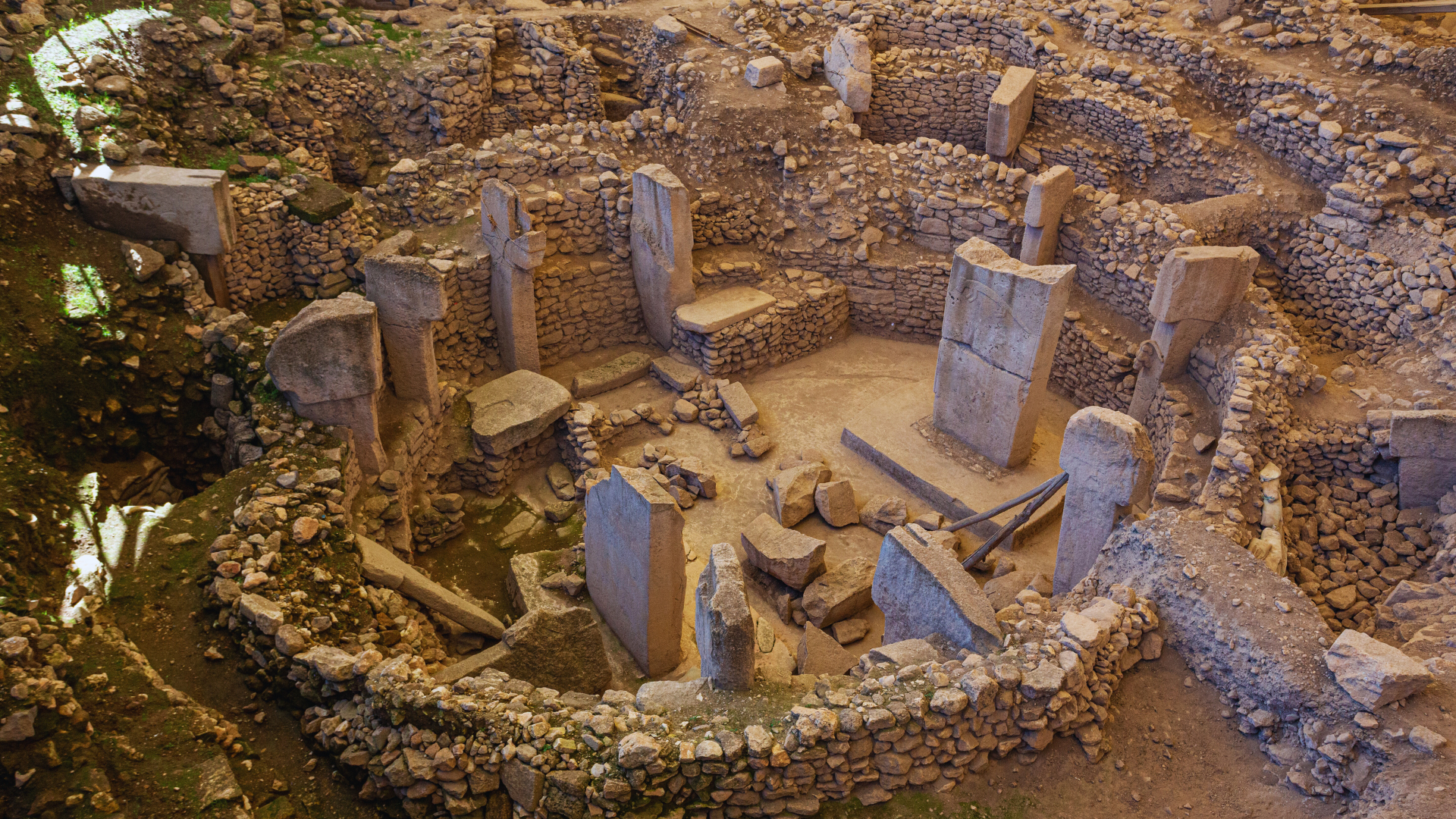
    Gobekli Tepe, located in modern-day Turkey, is one of the earliest known monumental structures. Dating back to around 9600 BCE, it predates Stonehenge by several millennia. This archaeological find consists of massive stone pillars arranged in circular configurations, showcasing intricate carvings of animals.

    The site’s purpose remains a subject of debate, but it appears to have been a significant ritual center for early hunter-gatherers. Its construction implies a high degree of social organization and advanced knowledge, challenging previous assumptions about the capabilities of prehistoric civilizations.

    The Dead Sea Scrolls

    The Dead Sea Scrolls, discovered between 1947 and 1956 near the Dead Sea, comprise over 800 ancient manuscripts. These texts include biblical scriptures, sectarian writings, and various religious artifacts. Their age ranges from the third century BCE to the first century CE, providing critical insights into Jewish history and early Christianity.

    Among these scrolls is the Isaiah Scroll, one of the best-preserved biblical texts, which enhances understanding of religious practices and beliefs during that era. Scholars regard these writings as crucial for the study of ancient languages and cultural contexts.

    Stonehenge

    Stonehenge, located in Wiltshire, England, is one of the most famous prehistoric monuments. Estimated to have been constructed between 3000 and 2000 BCE, it features a circular arrangement of large standing stones, some weighing over 25 tons. Stonehenge is thought to have served as both a burial ground and a ceremonial site.

    Research suggests its role in astronomical observations. The alignment of the stones with celestial events, such as solstices, reveals the advanced knowledge of ancient cultures regarding astronomy. This aspect highlights the complexity of their societal structures and belief systems.

    The World’s Most Mysterious Artifacts

    Several artifacts from ancient history stand out for their enigmatic qualities and potential implications for our understanding of past civilizations. Each of these items raises questions about advanced knowledge and the historical narratives surrounding their existence.

    Antikythera Mechanism

    The Antikythera Mechanism, discovered in a shipwreck off the Greek island of Antikythera in 1901, is a remarkable example of ancient engineering. This intricate device dates back to around 150-100 BC and is believed to be the world’s first analog computer.

    Its primary function was to predict astronomical positions and eclipses for calendrical and astrological purposes. The mechanism features a series of gears that indicate celestial events, demonstrating an advanced understanding of astronomy. Its complexity suggests that the Greeks possessed knowledge that would not reappear until the Renaissance.

    The Voynich Manuscript

    The Voynich Manuscript is an illustrated codex, written in an unknown script and dating back to the early 15th century. Discovered in 1912 by rare book dealer Wilfrid Voynich, it contains detailed illustrations of plants, astronomical diagrams, and human figures, but its text remains undeciphered.

    Scholars have debated the manuscript’s origin, purpose, and the meaning of its content for decades. Many theories suggest it could be a hoax, a lost language, or even a form of advanced knowledge. This mysterious artifact challenges historical narratives and invites cryptologists and historians to continue their quest for answers.

    Piri Reis Map

    The Piri Reis Map, created in 1513 by the Ottoman admiral Piri Reis, is notable for its detailed depiction of parts of Europe, Africa, and the Americas. The map is particularly intriguing due to its accuracy for geographical features that were not well-documented at the time.

    The map suggests that it may have been derived from earlier sources, potentially including lost civilizations with advanced navigational skills. Its portrayal of coastlines and missing landmasses raises questions about the knowledge of ancient explorers and their capabilities in cartography.

    Baghdad Battery

    The Baghdad Battery, discovered in Iraq and believed to date back to the Parthian period (around 250 BC to AD 250), is an artifact that has sparked curiosity due to its potential use as an ancient galvanic cell. It consists of a clay jar, a copper cylinder, and an iron rod.

    When filled with an acidic solution, it could generate an electric current. The implications of this artifact suggest that ancient societies may have had a basic understanding of electricity, challenging previous assumptions about technological advancements in ancient history. Its purpose remains debated, yet its existence indicates the possibility of advanced scientific knowledge.

    Puzzling Relics and Unexplained Phenomena

    Throughout history, numerous artifacts have baffled researchers and archaeologists. These relics raise questions about ancient civilizations and their knowledge, technology, and beliefs. Several artifacts stand out for their enigmatic nature and the mysteries they continue to inspire.

    Shroud of Turin

    The Shroud of Turin is a burial cloth that bears the image of a crucified man, believed by many to be Jesus of Nazareth. Measuring approximately 14 feet long and 3.5 feet wide, it is crafted from linen with a faint, detailed image that has intrigued believers and skeptics alike.

    Despite carbon dating that suggested the cloth dates back to the Middle Ages, some argue its origins align with the time of Christ due to its historical significance and the nature of its markings. Scientific investigations have analyzed the fabric for traces of blood, pollen, and other materials.

    Many religious adherents view the shroud as a significant artifact, holding deep spiritual meaning, while others focus on its textile and forensic characteristics, fostering continual debate around its authenticity.

    Nasca Lines and Other Geoglyphs

    The Nazca Lines are a collection of massive geoglyphs located in the Nazca Desert of Peru. Created between 500 BCE and 500 CE, these intricate designs depict animals, plants, and geometric shapes, spanning several kilometers.

    Their purpose remains uncertain, with theories ranging from astronomical alignments to water-related rituals. Some researchers suggest they were intended for deities, perhaps linked to celestial events, while others propose they served as navigation aids for ancient civilizations.

    The complexity and scale of the Nazca Lines, combined with their visibility from the air, raise significant questions about the ingenuity and capabilities of the cultures that produced them. They embody the intersection of art, science, and spirituality from a bygone era.

    Crystal Skulls

    Crystal skulls have fascinated many due to their mysterious origins and purpose. Crafted from quartz crystal, some claim these artifacts possess mystical or healing properties. The most famous is known as the “Mitchell-Hedges Skull,” discovered in Belize in the 1920s.

    Many of these skulls display intricate carvings, suggesting high-level craftsmanship from ancient history. The artifacts have been linked to lost civilizations, with some asserting they are remnants of Atlantean technology.

    Skeptics argue that they may have been fabricated in the 19th century, casting doubt on their prehistoric lineage. Investigations continue, balancing scientific scrutiny and cultural lore, as the allure of these relics remains strong in popular culture.

    Roman Dodecahedrons

    Roman dodecahedrons are small, hollow objects made of stone or metal, dating back to the 2nd or 3rd century CE. These unique artifacts feature twelve flat pentagonal faces, often seen with varying openings. Their exact function is still debated among historians.

    Theories suggest they may have served as measuring instruments, possibly for calculating time or distance, with connections to astronomical observations. Other proposed uses include game pieces or religious artifacts used in rituals.

    Despite numerous hypotheses, no definitive explanation has emerged. The ambiguity of their purpose, combined with their intricate design, makes them a captivating aspect of Roman material culture and a testament to the complexity of ancient engineering.

    Enigmatic Finds Across the Globe

    This section explores remarkable artifacts that have sparked curiosity and debate among historians and archaeologists. Each discovery offers a glimpse into the capabilities and cultures of ancient civilizations.

    Stone Spheres of Costa Rica

    The Stone Spheres of Costa Rica consist of over 300 spherical stones varying in size from a few inches to over two meters in diameter. Crafted from limestone, the largest stones weigh several tons. Predominantly found in the Diquís Delta, their precise purpose remains elusive.

    Some theories suggest they served as status symbols, marking territory, or even astronomical alignments. Their perfectly polished surfaces showcase the skill of ancient artisans. The spheres are considered a UNESCO World Heritage Site, underscoring their cultural importance.

    Cochno Stone

    The Cochno Stone, located near Glasgow, Scotland, features intricate carvings that date back around 5,000 years. This Neolithic stone is notable for its distinct designs, including spiral motifs and anthropomorphic figures. Its discovery in 1887 revealed a wealth of historical narratives about prehistoric societies.

    The exact purpose of the carvings remains a subject of speculation. Some propose that they served ritualistic functions or acted as a means of recording history. The stone was covered again to protect it, highlighting the importance of preserving such artifacts for future generations.

    Sacsayhuamán Walls

    Sacsayhuamán is an impressive archaeological site in Peru, renowned for its massive stone walls constructed by the Inca civilization. The walls are composed of large, precisely cut stones that fit together without mortar, demonstrating advanced engineering techniques.

    Some stones weigh over 120 tons, showcasing the Incas’ capabilities in overcoming logistical challenges. The site holds great historical significance, reflecting the power and ingenuity of the Inca Empire. Its ongoing excavation contributes to understanding the societal structures and architectural achievements of ancient Peru.

    Sanxingdui Artifacts

    The Sanxingdui site, located in Sichuan province, China, has revealed extraordinary artifacts from a civilization that thrived around 3,000 years ago. Notable finds include bronze masks, vessels, and intricate figurines, which suggest a highly advanced society with unique artistic expressions.

    These artifacts diverge from contemporary Chinese styles, raising questions about regional cultures and exchanges. The discoveries at Sanxingdui illustrate the complexity of ancient Chinese civilization and its contributions to global history. Ongoing research continues to unearth insights into this enigmatic culture.

  • Tips for Maintaining a Balanced Lifestyle While Traveling: Essential Strategies for Health and Well-being

    Tips for Maintaining a Balanced Lifestyle While Traveling: Essential Strategies for Health and Well-being

    Traveling offers a chance to explore new places, meet interesting people, and create lasting memories. Amidst the excitement, maintaining a balanced lifestyle can be challenging. Practical tips for sustaining well-being while on the move can empower travelers to enjoy their journeys without sacrificing their health and routines.

    Prioritizing physical activity, even in small doses, helps keep energy levels high. Simple strategies such as taking walking tours or utilizing hotel gym facilities can make a significant difference. Staying mindful of nutrition by seeking out local, healthy foods fosters both physical and mental wellness.

    Mindfulness and stress management are equally important. Incorporating practices like meditation or journaling can help travelers stay grounded. By integrating these habits into their travels, they can ensure a fulfilling experience that aligns with their lifestyle goals.

    Prioritize Nutrition and Healthy Eating Habits

    Maintaining proper nutrition while traveling can significantly impact overall well-being. By focusing on nutritious food choices, portion control, and local cuisine, travelers can better support their health and energy levels.

    Choose Nutritious Options and Balanced Meals

    Travelers should prioritize nutritious options that include a variety of food groups. A balanced meal consists of lean protein, whole grains, and plenty of fruits and vegetables. For protein sources, consider options like grilled chicken, fish, or legumes. Whole grains such as brown rice, quinoa, or whole-wheat pasta provide sustained energy. Including colorful vegetables not only enhances flavor but also ensures essential vitamins and minerals.

    When dining out, look for meals that explicitly state healthy components. Different cultures often offer traditional dishes that are both flavorful and nutritious. Scanning menus for phrases like “grilled,” “baked,” or “steamed” can indicate healthier cooking methods. Avoid fried foods and rich sauces to maintain a balanced diet.

    Smart Snacking and Portable Snacks

    Smart snacking is crucial while traveling. Portable snacks make maintaining a healthy diet easier. Options include nuts, seeds, whole-grain bars, or pre-cut fruits and vegetables. These foods are not only easy to carry but also provide essential nutrients and energy on the go.

    To stay prepared, travelers can pack snacks in a small container or resealable bag. This way, they can bypass less healthy options found in convenience stores or airports. Choosing snacks that offer a mix of protein and fiber can help curb hunger and prevent overeating during meals.

    Explore Local Cuisine and Markets

    When traveling, embracing the local cuisine is an excellent way to discover nutritious foods. Many cultures utilize whole foods and fresh ingredients, promoting nutrient-dense options. Visiting local markets can yield an array of fruits, vegetables, and whole grains.

    Trying local dishes such as stews or salads can introduce healthy ingredients into the diet. Opt for meals that highlight seasonal produce, as they are often fresher and more flavorful. This not only supports health but also enhances the travel experience by connecting with the culture through food.

    Practice Portion Control and Mindful Eating

    Portion control is essential for maintaining a balanced diet while traveling. Mindful eating encourages awareness of hunger cues, allowing individuals to enjoy their meals without overeating. At restaurants, travelers can consider sharing dishes or ordering smaller portion sizes.

    Being mindful involves savoring each bite and focusing on the meal rather than distractions. Recognizing when to stop eating is critical, especially in unfamiliar settings where food might be abundant or enticing. Paying attention to satiety signals can help maintain a healthy balance, ensuring an enjoyable travel experience without sacrificing nutrition.

    Stay Hydrated and Energized Throughout Your Travels

    Maintaining hydration and energy levels is crucial for anyone traveling. Understanding how to manage fluid intake, food choices, and alcohol consumption can significantly impact travel experiences.

    Maintain Optimal Hydration

    Staying hydrated is essential for both physical performance and mental clarity. Travelers should aim to drink at least 8-10 glasses of water each day, adjusting for climate and activity level.

    Carrying a reusable water bottle makes it easier to track and encourage regular hydration. To enhance water intake, travelers can include:

    • Hydrating foods: Cucumbers, oranges, and watermelon.
    • Electrolyte-rich drinks: Coconut water or sports drinks on hot days.

    Recognizing signs of dehydration, such as fatigue or dizziness, helps travelers take immediate action.

    Manage Energy Levels and Address Food Cravings

    Travel can disrupt regular eating patterns, leading to erratic energy levels. It’s vital to consume a balanced diet throughout the journey.

    Travelers should prioritize:

    • Complex carbohydrates: Whole grains, fruits, and vegetables provide steady energy.
    • Protein sources: Lean meats, legumes, and nuts help sustain fullness.

    Packing healthy snacks like energy bars or mixed nuts will help combat sudden cravings and maintain energy. Frequent, smaller meals can combat fatigue while keeping hunger in check.

    Limit Alcohol Consumption and Listen to Your Body

    Excessive alcohol can lead to dehydration and fatigue. Travelers should limit alcohol intake to ensure they remain alert and enjoy their experiences.

    Opting for lighter beverages and alternating with water can mitigate the effects of alcohol.

    Listening to one’s body is equally important. When feeling tired or sluggish, taking a break or opting for non-alcoholic alternatives can help re-energize. Prioritizing self-care during travel ensures a more enjoyable and fulfilling experience.

    Maintain Physical Well-Being and an Active Routine

    To sustain physical well-being while traveling, it is essential to incorporate activity into daily plans and prioritize quality sleep. Managing fatigue and stress also plays a critical role in maintaining energy levels and overall health during trips.

    Incorporate Physical Activity into Your Itinerary

    Travelers should aim to engage in at least 30 minutes of physical activity each day. This can be achieved through various methods, such as walking tours, biking, or even participating in local fitness classes.

    When planning trips, she can include hiking in national parks, swimming at a hotel pool, or taking the stairs instead of elevators. Simple adjustments like these make it easier to stay active.

    Using fitness apps for guidance on workouts or local amenities is also helpful. Many destinations have opportunities for activities that blend enjoyment with exercise.

    Consistent Sleep Schedule and Quality Sleep

    Maintaining a consistent sleep schedule while traveling can be challenging, but it is critical for health. Travelers should try to go to bed and wake up at the same time each day.

    Creating a bedtime routine, even on the road, can enhance sleep quality. This includes limiting screen time before bed and ensuring a comfortable sleep environment.

    Using sleep masks and earplugs can help block disturbances in unfamiliar settings. Travelers may also consider adjusting their sleep patterns gradually before departure to mitigate jet lag and boost their overall well-being.

    Adapt to Travel Fatigue and Reduce Stress

    Travel fatigue is common, but addressing it proactively is vital. Ensuring regular breaks throughout the day can help maintain high energy levels.

    Incorporating stress-reducing practices into the travel routine is equally important. Techniques such as deep breathing exercises or short meditative sessions can provide relief during busy schedules.

    Prioritizing hydration and nutritious meals can prevent burnout and keep the body functioning optimally. Lastly, setting realistic expectations for each day helps manage stress and allows for enjoyable experiences.

    Travel Preparedness and Health Safety

    Traveling can expose individuals to various health risks. Being prepared with the right tools and knowledge ensures a smoother experience. Key aspects include having a first aid kit, maintaining hygiene, and practicing food safety while protecting yourself from the sun.

    Bring a First Aid Kit and Travel Insurance

    A well-stocked first aid kit is essential for any traveler. It should include items like adhesive bandages, antiseptic wipes, pain relievers, and any personal medications. Travelers should also consider including items that cater to specific environments, such as insect repellent or altitude sickness tablets.

    Travel insurance is critical for safeguarding against unexpected health issues or emergencies. It helps cover medical expenses that can arise during a trip. Travelers should choose a policy that includes coverage for pre-existing conditions, trip cancellations, and emergency evacuations. Reading the fine print is crucial to understand what is covered.

    Implement Good Hygiene Practices

    Maintaining good hygiene can prevent illness while traveling. Regular handwashing is one of the most effective practices. Travelers should wash their hands frequently, especially before meals and after using public transportation.

    Using hand sanitizer when soap and water are unavailable is advisable. This can significantly reduce the risk of infections. Additionally, travelers should avoid touching their faces to minimize the transfer of germs.

    Food Safety and Sun Protection Tips

    Food safety is paramount. Travelers should ensure that food is prepared and stored correctly to avoid foodborne illnesses. Eating at reputable restaurants and avoiding street food can reduce risks. Cooking food thoroughly and drinking bottled or purified water are also important.

    Protection from the sun cannot be overlooked. Applying sunscreen with a high SPF is critical, especially in tropical or sunny environments. It should be reapplied every two hours or after swimming. Wearing protective clothing, hats, and sunglasses can further reduce sun exposure and its harmful effects.

  • Travel Journaling for History Enthusiasts: Capturing Time and Place through Written Reflections

    Travel Journaling for History Enthusiasts: Capturing Time and Place through Written Reflections

    Travel journaling offers an enriching experience for history enthusiasts by allowing them to document their observations and reflections during visits to historical sites. This practice not only deepens their understanding of the context and significance of these locations but also helps preserve personal narratives that intertwine with larger historical narratives. Engaging with history becomes more personal and meaningful when one takes the time to record thoughts and feelings in real time.

    Through travel journaling, enthusiasts can capture the essence of historical landmarks, museums, and cultural experiences while connecting these moments to their broader historical interests. They are encouraged to explore not just what they see, but also the stories behind the places, thereby enhancing their connection to the past. This creative outlet fosters a unique dialogue between past and present, enriching the travel experience.

    Additionally, a well-kept travel journal can serve as a valuable resource for future reflections or for sharing experiences with others. It becomes a way to relive the journey, revisit thoughts, and inspire future travels. History enthusiasts who embrace travel journaling can find their experiences transformed into insightful narratives that blend personal exploration with a deeper appreciation of history.

    Why History Enthusiasts Should Keep a Travel Journal

    Travel journaling offers rich benefits for those passionate about history. By documenting their journeys, enthusiasts can capture memories, insights, and reflections that deepen their understanding of diverse cultures and historical contexts.

    Capturing Authentic Travel Memories

    A travel journal serves as a personal keepsake that captures the essence of each journey. It allows history enthusiasts to document specific places visited, events attended, and interactions experienced. This detailed recording provides a tangible connection to past travels.

    Including dates, locations, and historical contexts can enhance these memories. Handwritten notes can hold emotional significance, making the experience more vivid long after the journey ends. Photos, sketches, or clippings can complement written entries, enriching the narrative.

    Preserving Cultural Insights

    Travel journals can be invaluable for recording cultural insights encountered during travels. Descriptions of local architecture, customs, and traditions shed light on historical influences shaping a region.

    Observations about festivals, local cuisine, or everyday life offer perspectives that enhance knowledge. Enthusiasts can also note differences and similarities between their culture and others, leading to a broader understanding of human experiences.

    Such insights not only enrich personal knowledge but can also inspire others. Sharing these observations in future writings or discussions can promote engagement with history among peers.

    Deepening Personal Reflections

    Journaling encourages personal reflection on experiences related to history. As they write, enthusiasts may consider how historical events shape current society. This introspective process can foster a deeper connection to the places visited and the stories encountered.

    By examining their emotions and thoughts during travels, they can gain perspective on their understanding of history. Reflective prompts within the journal may lead to meaningful revelations about personal beliefs and interests.

    Through this process, individuals can create a richer narrative about their identity within the broader tapestry of historical exploration.

    Essential Elements of Travel Journaling for Historical Journeys

    Effective travel journaling enhances the experience of historical journeys by capturing key details and personal insights. Emphasizing daily activities, sensory experiences, and self-reflection adds depth to the travel narrative.

    Incorporating Observations of Daily Activities

    Recording daily activities brings structure to a travel journal. Each entry can begin with a brief outline of the day’s itinerary, noting specific sites visited.

    Travelers should pay attention to the interactions with locals, guided tours, or spontaneous adventures. Notable encounters may include conversations about historical events or the significance of specific locations. This creates a richer context for future reflections.

    Incorporating such observations provides clarity about how daily experiences shape the overall journey.

    Using Sensory Details to Enrich Storytelling

    Sensory details play a crucial role in storytelling, making experiences vivid. Descriptive language engages the reader’s senses, bringing historical sites to life.

    For instance, detailing the scent of ancient ruins or the sounds of a bustling market enriches the narrative. Consider using phrases like “The aroma of spices wafted through the air” or “The echoes of footsteps reverberated off the stone walls.”

    These elements help create a more immersive experience, enabling a deeper connection with the historical context.

    Self-Reflection and Personal Growth Through Journeys

    Self-reflection encourages travelers to evaluate their thoughts and feelings during their journeys. Journaling provides a space for individuals to explore their responses to historical sites and events.

    Questions such as “What did this site mean to me?” or “How has my understanding of history changed?” can prompt meaningful insights.

    This reflective practice allows individuals to document their personal growth, highlighting significant transformations resulting from their travels.

    Recording Day-to-Day Highlights and Travel Moments

    Recording day-to-day highlights serves to encapsulate the essence of the journey. Travelers can curate a list of top experiences, memorable interactions, or newfound knowledge acquired throughout the trip.

    Using bullet points for these highlights can provide a quick reference for later reflection. For instance:

    • Visiting an archaeological site and discovering hidden artifacts
    • Engaging with a guide who shared personal stories of the area
    • Attending a local festival that showcased historical traditions

    These moments not only summarize the journey but also enhance the overall travel narrative, encouraging continued exploration and learning.

    Types of Travel Journals and Creative Approaches

    Travel journaling offers various methods and styles that cater to enthusiasts with different preferences. From traditional diaries to modern digital solutions, each approach facilitates unique ways to document experiences. Below are several types of travel journals and creative techniques that can enhance the process.

    Traditional Travel Diaries and Scrapbooks

    Traditional travel diaries and scrapbooks provide a tactile way to document journeys. These journals often feature hand-written entries alongside photos, tickets, and other memorabilia. A popular choice is Moleskine notebooks, known for their durability and style.

    Travelers can create layouts inspired by their experiences, using decorative elements to personalize their scrapbooks. Incorporating maps, sketches, and captions can add depth to entries. This hands-on approach encourages self-expression and helps cultivate a deeper connection with places visited.

    Several travelers opt for a page-a-day format, recording daily thoughts and observations. This structure can help maintain organization and ensure no details are overlooked.

    Bullet Journaling and Creative Outlets

    Bullet journaling serves as an innovative approach to travel journaling. It combines elements of planning and creative expression. Travelers can customize their journals with themes, symbols, and layouts that reflect individual experiences.

    Key features of bullet journaling include daily logs, collections, and habit trackers. Each page can serve a specific purpose, such as listing travel goals, documenting itineraries, or reflecting on experiences.

    The flexible nature of bullet journaling allows users to adapt their journals to changing needs. They can incorporate doodles, color-coding, and varied typography, turning the process into a creative outlet rather than just documentation.

    Digital Journals and Cloud Storage Solutions

    Digital journals offer a modern twist on traditional travel notes. They enable users to document their journeys through typing, photos, and video. Various travel journal apps enhance this experience by providing templates and reminders.

    Cloud storage solutions ensure that entries are easily accessible and securely backed up. This safeguards memories against loss or damage and allows for seamless syncing across devices. Apps like Day One enable users to record entries, add tags, and even geotag photos for easy reference later.

    The search functions available in digital formats make it simple to locate specific memories or information. Such features are particularly beneficial for history enthusiasts who enjoy exploring past travels.

    Using Prompts and Apps for Organization

    Incorporating prompts can help overcome writer’s block while journaling. Various apps provide tailored travel journal prompts to spark creativity and encourage detailed documentation. These prompts can explore personal reflections, cultural observations, or historical context related to visited sites.

    Additionally, apps offer organization features such as category tagging, which simplifies sorting entries by themes or locations. This results in a more structured approach to journaling while still allowing for unique storytelling.

    Users can utilize checklists and goal-setting features within these apps to maintain focus on their travel objectives. This organized structure can enhance the journaling experience, making it easier to engage with the content later.

    Practical Tips for Successful Travel Journaling

    Effective travel journaling helps enhance the experience for history enthusiasts. By carefully recording thoughts, accommodations, and local experiences, travelers can create valuable keepsakes that enrich their understanding of different cultures and histories.

    Staying Consistent With Your Travel Notes

    Developing a routine for journaling is crucial. Setting aside dedicated time each day, perhaps in the morning or evening, allows for reflection on experiences.

    Travelers can use prompts to guide their writing. For example:

    • What did I learn today?
    • How did the historical context of this place affect my visit?
    • What emotions did I feel while exploring?

    Utilizing bullet points can help list key events or observations quickly.

    By prioritizing daily notes, they ensure their memories remain fresh, which aids in capturing details often forgotten later.

    Capturing Accommodations and Local Experiences

    When documenting accommodations, it’s essential to include details that might evoke nostalgia later. Travelers should note the name, location, and unique features. They might consider aspects such as:

    • Historical significance of the building
    • Architectural style
    • Personal interactions with staff

    Additionally, local experiences should be recorded with attention to cultural insights. This might involve:

    • Describing traditional meals enjoyed
    • Noting local customs observed
    • Documenting spontaneous conversations with residents

    Such descriptions provide context for the travel experience and can bolster engagement with the local history.

    Organizing and Safeguarding Your Keepsake

    Maintaining organization in a travel journal enhances its usability. Using a planner or binder can be effective. Travelers might categorize entries by location or theme.

    Additionally, safeguarding these keepsakes is essential. Here are some methods:

    • Digital backups: Scanning pages or taking photos prevents loss.
    • Loose materials: Use an envelope or pocket for tickets, postcards, and brochures.
    • Consistent format: Creating a uniform layout for entries aids in quick referencing.

    By implementing these strategies, travelers ensure their journals remain not only informative but also a secure representation of their journeys.

  • Using Historical Stamps and Postcards for Creative Projects: Unleashing Your Artistic Potential

    Using Historical Stamps and Postcards for Creative Projects: Unleashing Your Artistic Potential

    Historical stamps and postcards offer a unique blend of nostalgia and creativity, making them ideal for various artistic projects. Using these vintage items can enhance scrapbooking, crafting, or mixed media art by adding a layer of history and a personal touch. The visual appeal of stamps and postcards can serve as inspiring focal points or subtle backgrounds in creative endeavors.

    Many artists and crafters appreciate the tactile quality and the stories embedded in these pieces. Each stamp and postcard carries its own narrative, which can spark new ideas and themes for projects. By incorporating these artifacts, creators can transform ordinary items into something truly unique and meaningful.

    Engaging with historical stamps and postcards not only cultivates creativity but also encourages a deeper appreciation for the past. Utilizing these elements can bring a sense of authenticity to modern creations, breathing new life into artistic expressions while celebrating history.

    Selecting and Sourcing Historical Stamps and Postcards

    When embarking on creative projects involving historical stamps and postcards, selecting authentic materials is crucial. Understanding where to find these items and considering ethical implications will enhance the creative process.

    Identifying Authentic Old Stamps and Postcards

    Authenticity is key when collecting old stamps and postcards. Several factors indicate whether an item is genuine:

    • Condition: Look for signs of wear that reflect age, such as yellowing or fading.
    • Design Elements: Familiarize oneself with the typical designs from different eras to spot reproductions.
    • Perforations and Printing Techniques: Different printing methods were used historically. Noticing these can help distinguish genuine items.

    It is advisable to consult catalogs or online databases specializing in philately. This can provide insights into markings and characteristics that confirm authenticity.

    Where to Find Vintage Materials for Creative Use

    A variety of avenues exist for sourcing vintage stamps and postcards:

    • Antique Shops: These places often carry a selection of collectibles.
    • Flea Markets and Garage Sales: Occasionally yield unexpected finds at lower prices.
    • Online Marketplaces: Websites like eBay, Etsy, or specialized stamp dealers can offer extensive selections. Always check seller reviews to ensure reliability.

    Local postal museums may also feature exhibits and offer items for sale. Connecting with collector communities through forums can lead to exchanges or sales.

    Ethical Considerations When Using Collectible Items

    When using old stamps and postcards in projects, ethical considerations should guide choices.

    • Preservation: Consider if the item can withstand being altered. Some stamps may be better preserved in their original form.
    • Cultural Sensitivity: Understand the historical context of stamps and postcards. Avoid using items that may be offensive or inappropriate in certain contexts.
    • Fair Trade Practices: Ensure that vintage materials are sourced from reputable dealers who adhere to ethical guidelines.

    These considerations help maintain respect for the item’s history and the community of collectors.

    Creative Techniques for Incorporating Stamps and Postcards

    Using stamps and postcards can enhance creative projects through various techniques that celebrate their historical and aesthetic value. This section explores practical applications for incorporating these items into artistic endeavors.

    Collage Methods with Postage Stamps

    Collaging with postage stamps allows for an engaging way to create unique art pieces. Stamps can be combined with other materials like paper scraps, photographs, or fabric.

    Steps for Collage Creation:

    • Select a Theme: Choose colors or images that complement each other.
    • Gather Materials: Collect stamps, background paper, and glue.
    • Layering: Start by placing larger pieces and layering stamps over them for depth.

    Artists can arrange stamps at different angles or mix sizes for visual interest. This technique not only showcases the stamps but also creates a story through their combinations.

    Stamp Art and Postage Stamp Art for Home Decor

    Stamp art focuses on transforming stamps into decoration for homes. Techniques include framing individual stamps or creating larger compositions that enhance wall spaces.

    Ideas for Home Decor:

    • Framed Displays: Use shadow boxes to highlight stamps with their historical context.
    • Mosaic Effects: Combine multiple stamps in a grid pattern for a festive look.
    • Personalized Art: Incorporate stamps that represent personal milestones or travels.

    Using stamps for decor can add a nostalgic touch to interior spaces while showcasing creativity.

    Decoupage and Mod Podge Applications

    Decoupage with stamps and postcards involves adhering these materials onto various surfaces using Mod Podge. This craft technique is versatile and can transform everyday items into art pieces.

    Decoupage Steps:

    • Prepare the Surface: Clean and dry surfaces, like boxes or furniture.
    • Cut and Arrange: Trim postcards or stamps to fit the desired area.
    • Adhere with Mod Podge: Use a brush to apply a thin layer of Mod Podge on the surface, position the items, and add another layer on top.

    This method creates a durable finish, perfect for items like coasters, tabletops, or decorative boxes. The preserved stamps add character while giving new life to functional objects.

    Handmade Gift Ideas and DIY Projects

    Utilizing historical stamps and postcards opens up a world of creative possibilities. Handmade gifts and DIY projects can add a personal touch while showcasing unique materials. Here are some innovative ideas that can inspire creativity and delight recipients.

    Creating Greeting Cards and Gift Tags

    Crafting greeting cards and gift tags with historical stamps and postcards is a fun and personalized endeavor. She can choose cards in various sizes, cutting the postcards into shapes that complement the intended message.

    Using various adhesives and embellishments enhances the visual appeal. For example, a stamped image might become the centerpiece of a card, adorned with ribbons or colored paper.

    Gift tags can be similarly created by cutting stamps into smaller pieces, pairing them with string or twine. This approach makes each tag unique and adds a thoughtful touch to any gift.

    Making Postage Stamp Earrings and Magnets

    Postage stamps can be transformed into stylish earrings and magnets with minimal effort. For earrings, she can cut stamps into desired shapes, ensuring they are lightweight. Using earring hooks and resin can combine beauty with durability.

    Crafting magnets follows a similar process. She can affix stamped images onto magnet sheets, cutting them to size. Adding a protective layer with Mod Podge ensures longevity. Both projects can reflect personal tastes and make memorable gifts.

    Designing Unique Wall Art

    Creating wall art with historical stamps and postcards allows for stunning decor pieces. She can assemble a collage on a canvas, arranging stamps and postcards in visually appealing patterns.

    Framing the finished piece enhances its display. Mixing stamp designs with photographs or text creates dimension and interest.

    Alternatively, creating themed wall art based on color palettes or historical periods adds a cohesive look. This type of project not only serves as unique art but also tells a story, inviting conversation.

    Sharing, Selling, and Supporting Causes with Stamp Creations

    Creating projects using historical stamps and postcards can extend beyond personal enjoyment. They offer opportunities for charitable contributions and innovative fashion statements.

    Donating or Selling Craft Projects for Charity

    Craft projects that incorporate stamps can be a significant asset for charity events. Creators can donate their work to auctions or craft fairs, with proceeds benefiting various causes.

    • Local Charities: Contact local organizations to offer items that can raise funds.
    • Online Platforms: Websites like Etsy allow creators to sell their works. Proceeds can go directly to nonprofits.

    Artwork made from stamps often has a unique appeal. It attracts buyers interested in supporting causes through artistic expression, making every purchase impactful.

    Incorporating Stamps and Postcards in Fashion

    Fashion designers increasingly embrace the charm of vintage stamps and postcards. These elements can be integrated into clothing, accessories, or even footwear.

    • Wearable Art: Items like handbags or jackets can feature stamped designs, connecting history with contemporary style.
    • Fashion Collaborations: Designers often collaborate with artists for limited-edition lines that incorporate these elements.

    Using stamps in fashion not only elevates aesthetics but tells a story. Each piece carries its own narrative, enhancing both the social aspect of creativity and the value of the work.

  • Why Try Local Cuisine: Discover the Rich Flavors and Traditions of Your Destination

    Why Try Local Cuisine: Discover the Rich Flavors and Traditions of Your Destination

    Traveling offers the chance to explore new cultures, and one of the most engaging ways to do this is through local cuisine. Trying local dishes allows a traveler to experience the authentic flavors and traditions of a region, providing a deeper connection to its culture. Each bite tells a story, reflecting the history, geography, and agricultural practices unique to that area.

    Local cuisine can also enhance one’s travel experience by introducing new ingredients and cooking techniques. Discovering these flavors often leads to memorable dining experiences that create lasting impressions, supporting local communities in the process. Engaging with local food opens doors to conversations and connections with residents, enriching the journey further.

    By choosing to explore local cuisine, travelers uncover the heart of a destination. The variety of dishes highlights the creativity and resourcefulness of local chefs who celebrate their heritage through food. This experience not only satisfies hunger but also nourishes a deeper appreciation for the places visited.

    The Fundamentals of Local Cuisine Exploration

    Exploring local cuisine involves several key aspects that enhance the experience.

    First, understanding the cultural significance of food in a region can provide context. Cuisine reflects local traditions, history, and the community’s identity.

    Key Elements to Consider:

    • Ingredients: Local dishes often feature ingredients that are native to the area. This highlights the region’s agricultural practices.
    • Preparation Methods: Different cultures utilize unique cooking techniques, which can affect flavor and presentation.
    • Flavor Profiles: Each region has its distinct combination of spices and textures, offering a variety of taste experiences.

    When trying local cuisine, actively engage with the locals. This can lead to recommendations for authentic dishes or hidden gems in the area.

    Tips for Effective Exploration:

    • Ask Locals: Inquire about popular dishes and where to find them.
    • Visit Markets: Experience local flavors by sampling fresh produce and street food.
    • Participate in Cooking Classes: Hands-on experience can deepen appreciation for the food.

    Documenting the experience can also enhance understanding. Keep notes on dishes tasted, ingredients used, and personal reflections.

    Engaging with local cuisine enriches travel experiences and fosters connections with cultures.

    Benefits of Trying Local Cuisine

    Exploring local cuisine offers numerous advantages. Engaging with regional dishes enriches cultural experiences, supports local economies, provides healthier food options, and promotes sustainable practices.

    Cultural Enrichment

    Local cuisine serves as a gateway to understanding the culture and traditions of a region. Each dish often reflects the history, agriculture, and customs of the area.

    By trying local food, individuals experience flavors and cooking techniques unique to that destination. Heritage recipes passed down through generations provide insights into community values and social practices.

    Moreover, interacting with local chefs can enhance this experience. They often share stories behind their creations that offer a deeper appreciation of the culinary arts.

    Supporting Local Economy

    Choosing local cuisine directly impacts the local economy. By dining at local restaurants and purchasing regional ingredients, visitors help sustain small businesses.

    This practice leads to job creation within the community, benefiting growers, chefs, and waitstaff. An increase in customer traffic can also encourage new restaurants and markets to thrive.

    Additionally, investing in local cuisine minimizes the financial leak associated with chain restaurants. Money spent locally tends to remain in the community, fostering economic growth and stability.

    Healthier Options

    Local cuisine frequently incorporates fresh, seasonal ingredients. This leads to meals that are not only more flavorful but also nutritionally abundant compared to processed foods.

    Eating locally allows individuals to consume meals made with fewer preservatives and artificial ingredients. Farmers’ markets and local eateries usually prioritize fresh produce, meats, and grains.

    Moreover, the traditional cooking methods used can enhance the nutritional profile. Many local dishes showcase simple, wholesome approaches that emphasize natural flavors, benefiting overall health.

    Sustainability

    Trying local cuisine promotes sustainability by reducing the carbon footprint associated with food transportation. Meals made from locally sourced ingredients require less travel, minimizing environmental impact.

    Supporting local farms and producers leads to more sustainable agricultural practices. Many local chefs collaborate directly with farmers, fostering organic and regenerative farming techniques.

    Additionally, seasonal eating encourages biodiversity. It helps maintain a variety of crops, contributing to healthier ecosystems within the region. This commitment to sustainability benefits both the local community and the environment.

    Discovering Authentic Flavors

    Exploring local cuisine often reveals the true essence of a culture. Traditional dishes often reflect the history, geography, and customs of a region.

    By tasting local foods, individuals gain insights into the community’s values and agricultural practices. Seasonal ingredients play a significant role in these cuisines, emphasizing freshness and sustainability.

    Benefits of Trying Local Cuisine:

    • Cultural Connection: Eating local dishes fosters a deeper understanding of the area’s heritage.
    • Unique Ingredients: Locals often use ingredients that are specific to their environment.
    • Support for Small Businesses: Dining at local establishments helps sustain the community.

    Travelers should seek out family-owned restaurants or street vendors. These places often offer dishes prepared with care and traditional techniques. When visiting culinary hubs like London, experiencing a classic Sunday roast Covent Garden (or elsewhere) can reveal regional cooking methods and sourcing standards. Some restaurants also feature rare-breed meats, giant Yorkshire puddings and crispy beef-fat potatoes, giving visitors an authentic taste of local tradition.

    Sampling food at local markets can also be a rewarding experience. Interactions with vendors can lead to stories that enrich the meal.

    Example Local Dishes:

    Region Dish Key Ingredients
    Italy Risotto Arborio rice, broth, cheese
    Mexico Tacos al Pastor Pork, pineapple, corn tortillas
    Thailand Pad Thai Rice noodles, shrimp, peanuts

    Through these experiences, individuals discover not just food, but a rich tapestry of cultural narratives woven through each meal.

    Culinary Diversity and Representation

    Local cuisine offers a rich tapestry of flavors influenced by various regions and cultures. It reflects the unique identity of a place through its specialties, ingredients, and cooking techniques.

    Regional Specialties

    Every region boasts distinct culinary traditions shaped by geography and history. For instance, southern cuisine in the United States features dishes like gumbo and fried chicken, demonstrating a blend of African, Native American, and European influences. In contrast, Mediterranean cuisine highlights the use of fresh vegetables, olive oil, and seafood, shaped by coastal geography.

    Regional specialties showcase not only flavor but also cultural heritage. They tell stories of migration and adaptation, offering patrons an authentic taste of the area. These dishes often utilize locally sourced ingredients, promoting sustainability and supporting local economies.

    Indigenous Ingredients

    Indigenous ingredients play a crucial role in local cuisine. The use of native plants and animals reflects a region’s natural resources and traditional practices. In Mexico, for example, ingredients like corn, beans, and squash are staples, deeply rooted in the culture and history.

    These ingredients contribute to biodiversity and ecosystems. By prioritizing indigenous products, local cuisines help preserve traditional farming practices and knowledge. Additionally, appreciating the distinct flavors of indigenous ingredients fosters a deeper connection to the land and culture, enriching the dining experience.

    Traditional Cooking Techniques

    Traditional cooking techniques are vital in preserving culinary heritage. Methods such as smoking, fermenting, and slow cooking enhance flavors and textures while reflecting cultural practices. In many cultures, these techniques are passed down through generations, embodying family histories and communal gatherings.

    For instance, wood-fired ovens are a hallmark of Italian cooking, imparting unique flavors to pizzas and breads. Similarly, steaming in Asian cuisines retains nutrients and showcases the natural taste of ingredients. Embracing these methods allows diners to appreciate not just the food but the craftsmanship and stories behind it.

    How to Approach Local Cuisine

    Exploring local cuisine involves more than just eating. A thoughtful approach includes investigating dishes, respecting cultural norms, and being open to new experiences.

    Research and Recommendations

    Before trying local cuisine, research is essential. Seek out websites and food blogs that focus on regional dishes. Reviews on platforms like Yelp or TripAdvisor can guide choices.

    Ask locals for recommendations, as they often know the best spots for authentic food. Joining food tours can also provide invaluable insights into lesser-known eateries and traditional dishes.

    Pay attention to seasonal offerings. Many local dishes rely on ingredients that are fresh at different times of the year. Knowing what to look for can enhance the dining experience significantly.

    Food Etiquette and Customs

    Cultural norms surrounding food vary greatly. Understanding these customs can enrich the dining experience. For example, some regions may have specific table manners or rituals related to eating.

    In many cultures, it is customary to wait for the host to start the meal before eating. This shows respect. Additionally, using the right utensils is crucial; some cultures prefer hands, while others may require chopsticks or forks.

    Being aware of local dining customs can prevent unintentional faux pas. For instance, in some countries, tipping is considered polite, while in others, it may be seen as rude.

    Adventurous Eating

    To truly experience local cuisine, one should embrace adventurous eating. This means stepping outside of your comfort zone to try dishes that may seem unfamiliar.

    Street food often provides an authentic taste of local flavors. Items like tacos in Mexico or satay in Indonesia can be both delicious and culturally significant.

    Be open to trying unconventional ingredients. For instance, insects are a delicacy in several countries, while specific plants may be featured prominently in local diets. Approaching these unfamiliar foods with curiosity and an open mind can lead to surprising and enjoyable culinary discoveries.

    Challenges in Local Cuisine Sampling

    Sampling local cuisine can present various challenges for travelers and food enthusiasts. Understanding these challenges can enhance the experience.

    • Cultural Barriers: Different cultures have unique dining customs. Eating with hands, specific table manners, or etiquette around sharing food may create discomfort for some.
    • Ingredient Availability: Certain ingredients may be hard to find or may not be available at all. This can lead to limited options for sampling authentic dishes.
    • Dietary Restrictions: Individuals with food allergies or dietary restrictions may struggle. Local cuisine might include ingredients that could trigger adverse reactions.
    • Language Barriers: Language differences can complicate ordering food. Misinterpretation of menu items can lead to unexpected selections.
    • Hygiene Concerns: Hygiene standards vary by location. Some places may not meet familiar health and safety expectations.
    • Price Variability: Costs can fluctuate dramatically between street vendors and upscale restaurants. Knowing where to find authentic yet affordable options is crucial.
    • Expectation vs. Reality: People may arrive with specific expectations, often based on media portrayals. The authentic experience might differ significantly from those preconceptions.

    Navigating these challenges requires awareness and adaptability. Embracing local cuisine often means stepping out of your comfort zone.

    Building Memories Through Food

    Food often serves as a bridge connecting people and experiences. Sharing meals can create lasting memories tied to specific places and cultures.

    When traveling, trying local cuisine can enhance the experience. Each dish carries stories of tradition and heritage.

    Key Aspects:

    • Cultural Connection: Engaging with local dishes fosters a deeper understanding of a culture’s values.
    • Shared Experiences: Dining with others encourages bonding and communication, building connections.
    • Sensory Memories: Tastes and aromas can trigger memories, transporting individuals back to special moments.

    Exploring local food allows individuals to appreciate culinary art. Each meal provides an opportunity to connect with history and community.

    Food experiences can range from informal street vendors to elegant dining. Each encounter leaves a unique imprint, marking a moment in time.

    Through food, travelers can share stories, laughter, and joy. These shared meals often become cherished memories that last long after the trip.

    Food Tourism’s Impact on Gastronomy

    Food tourism significantly influences local gastronomy. Travelers often seek authentic culinary experiences, leading to a rise in demand for traditional dishes.

    Local chefs and food producers benefit from this trend. Increased tourism can boost their visibility and revenue. They may also innovate by combining local ingredients with modern techniques.

    Regional cuisines often gain recognition through food tourism. Popularity may extend beyond borders, showcasing unique flavors on a global platform. This can lead to the preservation of culinary heritage.

    Key Impacts:

    • Economic Growth: More visitors mean higher spending in local restaurants and markets.
    • Cultural Exchange: Tourists engage with local traditions, fostering appreciation for diverse culinary practices.
    • Sustainability Focus: Increased demand encourages sustainable farming and local sourcing.

    Food tourism can also introduce challenges. Popular destinations may face pressure to commercialize or alter traditional recipes. Maintaining authenticity while meeting tourist expectations requires careful balance.

    In conclusion, food tourism serves as a catalyst in the evolution of gastronomy. It connects people through shared meals and cultural understanding while influencing local culinary landscapes.


  • Stress Management Techniques: Proven Methods for Reducing Anxiety and Enhancing Well-Being

    Stress Management Techniques: Proven Methods for Reducing Anxiety and Enhancing Well-Being

    Stress is a common experience that can significantly impact mental health and overall well-being. Employing effective stress management techniques can help reduce the stress response and mitigate the effects of chronic stress. By incorporating strategies such as mindfulness, regular exercise, and proper time management, individuals can build resilience against daily stressors.

    Many people overlook the importance of addressing stress in their lives. The consequences of untreated stress often lead to more severe health issues, both mentally and physically. Learning how to manage stress not only promotes better mental health but also enhances the ability to cope with life’s challenges.

    In this exploration of stress management techniques, practical methods and actionable insights will be provided. Readers can expect to find approaches that fit various lifestyles, enabling them to take control of their stress and improve their quality of life.

    Understanding Stress and Its Impact on Health

    Stress can significantly influence both mental and physical health. It triggers complex biological responses that affect various body systems and can lead to chronic health issues if not managed effectively.

    The Science of Stress Response

    When faced with a stressor, the body activates the fight-or-flight response. This response triggers the release of hormones like adrenaline and cortisol.

    • Adrenaline: increases heart rate and energy supplies.
    • Cortisol: helps regulate metabolism and immune response.

    These hormones prepare the body to respond to perceived threats. While this response is beneficial in short bursts, prolonged activation can lead to health problems.

    Physical and Psychological Effects of Stress

    Stress affects both the body and mind. Physically, it can lead to elevated blood pressure, tension headaches, and fatigue. One common outcome is insomnia.

    Psychologically, stress can affect mood and lead to conditions such as depression and increased irritability.

    Managing stress is crucial for maintaining physical health and well-being.

    Chronic Stress and Health Risks

    Chronic stress poses significant health risks. Prolonged exposure to stress hormones can weaken the immune system, making an individual more susceptible to infections.

    Moreover, it increases the risk of heart disease and hypertension.

    Unmanaged stress can also lead to other serious issues, including mental health disorders. Recognizing the signs of stress early can aid in effective management.

    Core Stress Management Techniques

    Effective stress management techniques can greatly improve emotional well-being. These methods help individuals better cope with stressors in daily life. Key practices include cognitive behavioral therapy, mindfulness, physical exercise, and various relaxation techniques.

    Cognitive Behavioral Therapy (CBT)

    Cognitive Behavioral Therapy is a structured approach that focuses on identifying negative thought patterns and behaviors contributing to stress. It encourages individuals to challenge and reframe these thoughts. By replacing irrational beliefs with more rational, realistic ones, clients experience reduced anxiety and improved coping skills.

    CBT sessions often involve self-monitoring and strategies to manage stress in real time. Worksheets and exercises may help individuals track their thoughts and behaviors, promoting awareness and change. This technique is widely used and backed by research, showing its effectiveness in managing conditions like anxiety and depression.

    Mindfulness and Meditation

    Mindfulness and meditation practices help individuals stay present in the moment, reducing feelings of overwhelm. Mindfulness includes techniques like deep breathing and body scanning, promoting relaxation and mental clarity. Meditation can involve guided sessions or self-directed practices that encourage a focus on one’s breath or a specific mantra.

    Research indicates that regular mindfulness practice can decrease cortisol levels, the hormone associated with stress. Individuals often report improved focus and emotional regulation after integrating these practices into their daily routines. Classes or apps can provide helpful resources to begin practicing mindfulness and meditation.

    Physical Exercise and Activity

    Physical exercise is a powerful tool for stress management. Engaging in regular physical activity releases endorphins, chemicals in the brain that act as natural painkillers and mood elevators. Activities like walking, running, or yoga can help reduce muscle tension and promote relaxation.

    It is recommended to aim for at least 30 minutes of moderate exercise most days of the week. Finding enjoyable activities increases adherence to exercise routines. Group classes or outdoor activities can provide additional motivation and social support, enhancing the overall stress-relief experience.

    Relaxation Techniques and Deep Breathing

    Relaxation techniques, including deep breathing exercises, promote calmness and reduce stress levels. Deep breathing involves taking slow, controlled breaths to lower heart rate and blood pressure. Techniques like progressive muscle relaxation systematically tense and relax muscle groups, alleviating physical tension.

    Incorporating these techniques into daily life can lead to improved emotional resilience. Short, regular practice sessions, even just five minutes a day, can yield significant benefits. Various guided recordings and apps are available to assist individuals in mastering relaxation techniques, making them accessible anytime, anywhere.

    For a better experience with these techniques, it might be helpful to do them in a setting where the air quality is good. Some individuals may prefer to do them outdoors; others prefer the comfort of indoors. For those who do breathing exercises indoors, it can be beneficial to ensure the indoor air quality is healthy. Various factors, like mold growth or lack of ventilation, can affect this. In order to prevent such problems, homeowners can consult professionals who provide services like heat ducting and Mold Testing in Clive, IA (or elsewhere).

    Building a Resilient Lifestyle

    A resilient lifestyle encompasses healthy habits, strong social connections, and a well-managed work-life balance. Each of these components contributes to an individual’s ability to cope with stress and maintain overall well-being.

    Developing Healthy Habits

    Adopting healthy habits is crucial for building resilience. This includes maintaining a balanced diet rich in fruits, vegetables, whole grains, and lean proteins. Proper nutrition fuels the body and mind, helping to regulate mood and stress levels.

    Regular physical activity also plays a vital role. Engaging in exercise releases endorphins, which can improve mood and promote a sense of well-being. Pairing fitness with adequate sleep routines enhances recovery and cognitive function. Aiming for 7-9 hours of quality sleep per night is essential.

    Practicing gratitude can further strengthen mental resilience. Taking the time to reflect on positive experiences fosters an optimistic outlook, reducing stress and improving emotional stability. Such habits create a strong foundation for effectively managing life’s challenges.

    Foster Strong Relationships and Social Support

    Strong relationships provide significant stress relief. Individuals are encouraged to cultivate connections with family and friends, fostering a support network that can be invaluable during tough times. Sharing experiences and emotions can alleviate feelings of isolation.

    Participating in social activities or community groups can enhance these connections. Leisure activities offer opportunities to bond with others over shared interests, promoting a sense of belonging. These interactions contribute to emotional stability and personal growth.

    Supporting others within this network also builds resilience. Offering help creates a reciprocal relationship where both parties benefit from mutual support. Prioritizing these connections equips individuals with resources to navigate stress more effectively.

    Maintaining Work-Life Balance

    Achieving a healthy work-life balance is essential for resilience. Individuals should set clear boundaries between work and personal time, ensuring that neither encroaches on the other. This separation helps prevent burnout and promotes mental clarity.

    Scheduling regular leisure activities can enhance this balance. Engaging in hobbies or spending time with loved ones allows for relaxation and rejuvenation. It’s important for individuals to reserve time for self-care and personal interests.

    Employers can also foster a healthy work environment by promoting flexible schedules and mutual respect for personal time. This cooperation creates a culture that values well-being, further reinforcing the resilience of the workforce.

    Strategies for Coping with Acute Stressors

    Acute stressors can arise unexpectedly, creating immediate pressure. Effective approaches to coping involve recognizing stress triggers, implementing problem-solving techniques, and regulating emotions through acceptance.

    Identifying and Managing Stress Triggers

    Recognizing stress triggers is the first step in effective stress management. Triggers can be external, such as deadlines or conflicts, or internal, like self-doubt. Keeping a stress diary helps individuals pinpoint patterns and recognize recurring situations that generate stress.

    Once triggers are identified, strategies to manage them can be employed. This may involve setting realistic deadlines, improving communication skills, or developing assertiveness. The key is to take action by addressing the sources of stress directly or adjusting one’s response to them.

    Effective Problem-Solving Techniques

    Problem-focused coping is essential for managing acute stressors. This approach involves breaking down overwhelming tasks into smaller, manageable steps. Creating a prioritized list can help individuals focus on what needs to be accomplished first.

    Additionally, brainstorming solutions empower individuals to take charge. This may include seeking advice from trusted colleagues or friends. Adopting a mindset of optimism can also foster resilience, allowing individuals to view challenges as opportunities for growth rather than insurmountable obstacles.

    Emotion Regulation and Acceptance

    Emotion-focused coping strategies help individuals manage their emotional responses to stress. Techniques such as mindfulness and deep breathing exercises can enhance emotional regulation. Practicing awareness of one’s feelings allows for a more balanced response to stressors.

    Acceptance plays a crucial role in coping with stress. Rather than resisting uncomfortable emotions, embracing them helps to reduce their intensity. Commitment to self-care practices, such as regular exercise and healthy eating, supports emotional well-being and builds resilience in the face of acute stress.


  • Mindfulness and Relaxation: Techniques for Stress Relief and Inner Peace

    Mindfulness and Relaxation: Techniques for Stress Relief and Inner Peace

    In an increasingly fast-paced world, many individuals seek effective ways to manage stress and promote mental well-being. Mindfulness and relaxation practices have emerged as vital tools in this pursuit, helping people cultivate a more balanced and centered life. Engaging in mindfulness can significantly reduce anxiety and enhance relaxation, offering numerous benefits for both mental and physical health.

    Practices such as meditation, deep breathing, and mindful movement allow individuals to reconnect with the present moment. These techniques are not only accessible for beginners but can also be seamlessly integrated into daily routines. By fostering a deeper sense of awareness, mindfulness encourages a more peaceful state of mind, which is essential for relaxation.

    Exploring mindfulness and relaxation techniques can empower individuals to take control of their emotional landscape. With just a few simple practices, anyone can enhance their overall well-being and navigate the complexities of modern life with greater ease.

    Understanding Mindfulness

    Mindfulness is a practice rooted in ancient traditions that has gained significant recognition in contemporary settings, particularly in psychology. This section explores its historical origins, psychological applications, and essential concepts.

    Historical Background

    Mindfulness has its roots in Buddhist teachings, specifically the practice of sati, which means awareness or remembering. This concept emphasizes being present and fully engaging with the moment without judgment.

    In the 1970s, Jon Kabat-Zinn introduced mindfulness to Western medicine through his Mindfulness-Based Stress Reduction (MBSR) program. This marked the beginning of incorporating mindfulness into therapeutic practices, making it more accessible to the general public.

    As time progressed, studies began to explore its benefits, establishing a scientific foundation that validates its effectiveness in improving mental health and well-being.

    Mindfulness in Psychology

    In psychology, mindfulness is frequently utilized as a therapeutic tool. Techniques such as mindfulness meditation help individuals become aware of their thoughts and feelings without reacting impulsively. This can lead to decreased anxiety and improved emotional regulation.

    Mindfulness-Based Cognitive Therapy (MBCT) combines traditional cognitive behavioral strategies with mindfulness practices. Research indicates that this approach effectively reduces relapse rates in individuals with recurrent depression.

    Moreover, mental health professionals recognize mindfulness as beneficial for managing stress, enhancing self-awareness, and promoting emotional resilience. The integration of mindfulness into therapy has led to a shift in understanding mental health, emphasizing the importance of present-moment awareness.

    Key Concepts and Terminology

    Several key concepts characterize mindfulness practice.

    • Present-Moment Awareness: Focusing attention on the current experience rather than dwelling on the past or worrying about the future.
    • Non-Judgment: Observing thoughts and feelings without labeling them as good or bad.
    • Acceptance: Embracing thoughts and emotions as they are, fostering a sense of peace.

    Terminology related to mindfulness also includes terms like meditation, awareness, and intention. These concepts help practitioners cultivate a deeper understanding of their behaviors and reactions.

    By grasping these foundational elements, individuals can better engage with mindfulness practices and enhance their overall well-being.

    Benefits of Mindfulness

    Mindfulness offers various advantages that impact physical health, mental well-being, and emotional regulation. Engaging in mindfulness practices can lead to significant improvements across these domains.

    Physical Health Improvements

    Mindfulness has been linked to numerous physical health benefits. Regular practice can lower blood pressure and improve heart health. Studies suggest that it may reduce inflammation, aiding in the management of chronic illnesses.

    Additionally, mindfulness techniques can promote better sleep quality, which is essential for physical recovery and overall well-being. Practicing mindfulness also encourages a healthier lifestyle by fostering awareness of the body’s needs, which can lead to better nutrition and exercise habits.

    Mental Well-Being

    Mindfulness significantly contributes to enhanced mental well-being. It can help reduce symptoms of anxiety and depression by encouraging individuals to stay present rather than worry about the future or dwell on the past.

    Moreover, mindfulness improves focus and attention, making it easier for individuals to engage in daily tasks. This practice cultivates a sense of calmness, which can lead to a more positive outlook on life.

    Emotional Regulation

    Practicing mindfulness supports effective emotional regulation. It enables individuals to recognize their emotions without judgment, fostering a deeper understanding of internal experiences. This awareness helps reduce impulsive reactions to stressors.

    Mindfulness practices encourage patience and resilience, allowing individuals to respond thoughtfully to challenges. By developing this skill, they can improve interpersonal relationships and reduce conflict in their personal and professional lives.

    Relaxation Techniques

    Relaxation techniques can significantly reduce stress and enhance overall well-being. Common methods include breathing exercises, guided imagery, and progressive muscle relaxation. Each technique offers unique benefits for achieving a calm state of mind.

    Breathing Exercises

    Breathing exercises focus on slowing down the breath to promote relaxation. One simple method is the 4-7-8 technique. Inhale through the nose for 4 seconds, hold the breath for 7 seconds, and exhale through the mouth for 8 seconds.

    Benefits of this exercise include:

    • Reduced anxiety: Calms the nervous system.
    • Improved concentration: Helps clear the mind.
    • Increased oxygen flow: Enhances physical relaxation.

    Practicing these exercises for just a few minutes can lead to noticeable shifts in mood and tension.

    Guided Imagery

    Guided imagery involves visualizing peaceful scenes to promote relaxation. It often uses audio recordings or a facilitator to lead participants through a mental journey.

    Key steps include:

    • Find a quiet space: Minimize distractions.
    • Close your eyes: Focus inward.
    • Visualize calming imagery: Picture a tranquil beach or forest.

    This technique can help with stress reduction and can lead to deeper emotional healing. It encourages the mind to connect with calming visuals, facilitating relaxation on multiple levels.

    Progressive Muscle Relaxation

    Progressive muscle relaxation (PMR) is a method that combines physical and mental relaxation. It involves tensing and then relaxing each muscle group in the body, usually starting from the toes and working upwards.

    The main steps are:

    • Tense the muscles: Hold for about five seconds.
    • Release and relax: Notice the sensation of relaxation that follows.

    Practicing PMR can help individuals:

    • Reduce physical tension.
    • Become more aware of their bodies.
    • Alleviate anxiety symptoms.

    This technique can be especially helpful before sleep or during anxious moments, as it promotes a comprehensive sense of tranquility.

    Incorporating Mindfulness into Daily Life

    Integrating mindfulness into daily routines can enhance mental clarity and emotional well-being. Practicing mindfulness through various activities can create moments of calm and focus throughout the day.

    Mindful Eating

    Mindful eating encourages individuals to fully engage their senses while consuming food. This practice involves paying close attention to flavors, textures, and aromas.

    To start, one can begin with small portions, allowing for slower consumption. Setting aside distractions, like phones or television, fosters a more peaceful eating environment.

    Here are key aspects of mindful eating:

    • Chewing slowly: Take time to chew each bite thoroughly.
    • Listening to hunger cues: Recognize true hunger versus emotional eating.
    • Gratitude practice: Acknowledge where food comes from before eating.

    These steps cultivate a more appreciative and healthier approach to meals.

    Mindful Movement

    Engaging in mindful movement focuses on the connection between body and mind. Activities like yoga, tai chi, or even simple stretching can help enhance body awareness.

    When practicing mindful movement, one should concentrate on the sensations in the body. This might include noticing the tension in muscles or the rhythm of breath.

    Key components to consider include:

    • Slower pace: Practicing movements deliberately and with intention.
    • Breath synchronization: Coordinating breath with movements enhances focus.
    • Non-judgmental awareness: Observing feelings and thoughts without criticism.

    These practices contribute to a deeper understanding of one’s body and promote relaxation.

    Creating a Mindfulness Routine

    Establishing a mindfulness routine helps cultivate consistency. A routine can start with short practices, gradually increasing duration as comfort grows.

    Setting a specific time each day for mindfulness, such as morning or evening, encourages adherence. Individuals might use reminders to stay committed.

    Essential elements to incorporate include:

    • Guided meditations: Utilize apps or online resources for structure.
    • Gratitude journaling: Spend a few minutes writing about positive experiences.
    • Breathing exercises: Simple deep breaths can help ground and center.

    Consistency in practice leads to more profound benefits over time.

    Mindfulness Meditation

    Mindfulness meditation is a practice that cultivates awareness and presence in the moment. It involves various techniques that can enhance relaxation and improve mental well-being. Individuals interested in adopting this practice can explore different meditation methods and develop a consistent routine.

    Meditation Techniques

    Several techniques are available for practicing mindfulness meditation.

    • Breath Awareness: Focusing on the breath is a fundamental technique. This involves observing inhalation and exhalation without trying to control them.
    • Body Scan: This method involves mentally scanning the body for tension. It encourages relaxation by bringing attention to different body parts, often starting from the toes and moving upwards.
    • Guided Meditation: Utilizing audio recordings or apps can provide direction. This method is particularly useful for beginners, as it leads them through the meditation process with prompts.

    Each technique serves to anchor the mind, fostering a sense of peace and reducing distractions.

    Developing a Meditation Practice

    Creating a consistent meditation practice requires structure and dedication.

    • Set a Schedule: Designating a specific time daily helps integrate mindfulness into one’s routine. Even five to ten minutes can be beneficial.
    • Choose a Comfortable Space: Finding a quiet and comfortable location reduces distractions. A dedicated area can make the practice feel special and focused.
    • Start Small: Beginners should not aim for lengthy sessions immediately. Starting with short durations makes the habit more manageable and encourages consistency.
    • Stay Flexible: It is important to adapt the practice as needed. Some days may require adjustments based on one’s schedule or energy levels.

    These steps can assist individuals in cultivating a sustainable mindfulness meditation practice.

    Mindfulness and Stress Management

    Mindfulness plays a crucial role in recognizing and managing stress. By developing awareness of stress signals and utilizing mindfulness-based practices, individuals can effectively reduce stress levels and enhance their overall well-being.

    Recognizing Stress Signals

    Recognizing stress signals is the first step in effective stress management. Common physical signals include increased heart rate, shallow breathing, and muscle tension. Emotional signals often manifest as irritability, anxiety, or mood swings.

    Key stress signals:

    • Physical: Fatigue, headaches, digestive issues.
    • Emotional: Frustration, overwhelm, difficulty concentrating.

    Increasing awareness of these signs enables individuals to respond proactively. Practicing mindfulness helps cultivate this awareness, leading to timely interventions and healthier coping strategies.

    Mindfulness-Based Stress Reduction

    Mindfulness-Based Stress Reduction (MBSR) is a structured program aimed at reducing stress through mindfulness practices. Developed by Dr. Jon Kabat-Zinn, MBSR incorporates techniques such as meditation, body scanning, and mindful breathing.

    Benefits of MBSR:

    • Increased self-awareness: Participants learn to observe thoughts and feelings without judgment.
    • Improved emotional regulation: Mindfulness helps individuals respond to stressors with clarity.

    The program typically spans eight weeks, allowing individuals to experience significant stress reduction. Regular practice enhances resilience, fosters a calmer mindset, and equips individuals to tackle life’s challenges more effectively.

    Mindfulness in Different Cultures

    Mindfulness practices have roots in various cultural traditions. Each culture incorporates unique elements that shape its understanding and application of mindfulness.

    Eastern Traditions

    Eastern traditions, particularly in Buddhism, emphasize mindfulness as a central practice. The concept, known as Sati, involves maintaining a moment-to-moment awareness of thoughts, feelings, and experiences.

    In these cultures, mindfulness is often practiced through meditation. Techniques such as Vipassana focus on self-observation and insight into the nature of existence.

    Key components include:

    • Breath Awareness: Attention to breathing as a grounding practice.
    • Walking Meditation: Combining movement with mindfulness.
    • Insight Meditation: Cultivating deeper awareness of one’s thoughts and emotions.

    These practices are integral to spiritual development and are often used to achieve inner peace and clarity.

    Adaptation in Western Cultures

    In Western cultures, mindfulness has been integrated into various therapeutic approaches. Concepts from Eastern mindfulness were popularized by figures like Jon Kabat-Zinn.

    Programs like Mindfulness-Based Stress Reduction (MBSR) focus on reducing stress through mindfulness techniques. They often include practices like mindful breathing and body scans.

    Common applications include:

    • Therapeutic Settings: Used in Cognitive Behavioral Therapy (CBT) to help manage anxiety.
    • Corporate Wellness Programs: Emphasizing mental well-being in the workplace.

    This adaptation maintains the essence of traditional practices while appealing to contemporary needs. Mindfulness is now widely recognized for its benefits across different facets of life.

    Challenges and Misconceptions

    Many individuals face challenges and hold misconceptions about mindfulness practice. Addressing these can enhance understanding and encourage more people to engage in mindfulness and relaxation techniques.

    Common Mindfulness Myths

    Several myths surround mindfulness that can deter individuals from trying it. A prevalent misconception is that mindfulness requires an empty mind. The practice actually involves acknowledging thoughts without judgment, allowing engagement rather than avoidance.

    Another myth is that mindfulness is a quick fix for stress or anxiety. In reality, it is a skill that develops over time with consistent practice. Many believe that mindfulness necessitates long hours of meditation. In fact, even a few minutes daily can yield benefits.

    Overcoming Barriers to Practice

    Barriers to practicing mindfulness often include time constraints and misconceptions about the method. Many people feel they lack sufficient time, but mindfulness can be integrated into daily activities, such as during meals or commutes.

    Another barrier is discomfort with stillness. Individuals may feel unsettled when trying to sit quietly. Gradual introduction through guided sessions can alleviate this discomfort.

    Access to resources also presents a challenge. With the growth of technology, numerous apps and online resources can aid practice. Taking small, actionable steps can overcome barriers and foster a more consistent mindfulness practice.

    Future Directions in Mindfulness Research

    Research on mindfulness continues to evolve, with several promising avenues for exploration.

    • Integration with Technology
        • The use of apps and virtual reality in mindfulness practice could enhance accessibility.
        • Studies may examine the effectiveness of these tools compared to traditional methods.
    • Neurobiology of Mindfulness
        • Investigating the impact of mindfulness on brain structure and function remains a key area.
        • Research may focus on the relationship between mindfulness practices and changes in brain connectivity.
    • Long-term Effects of Mindfulness
        • Understanding how sustained practice affects mental and physical health over time is essential.
        • Longitudinal studies could shed light on the durability of mindfulness benefits.
    • Diverse Populations and Settings
        • Future studies should include diverse demographics to understand mindfulness’ effects across cultures.
        • Research might explore how mindfulness practices can be adapted for various settings, such as schools or workplaces.
    • Mindfulness and Chronic Illness
      • Investigating the role of mindfulness in managing chronic conditions could provide valuable insights.
      • Research may assess how mindfulness techniques can support patients in their treatment plans.

    As mindfulness research expands, these directions hold the potential to deepen understanding and improve practices.

    Mindfulness in Education and the Workplace

    Mindfulness practices are increasingly integrated into educational settings and corporate environments, offering significant benefits. By fostering a culture of mindfulness, both students and employees can experience enhanced focus, reduced stress, and improved emotional well-being.

    School-Based Programs

    Many schools are implementing mindfulness programs aimed at enhancing students’ mental health and academic performance. These programs often include practices such as meditation, breathing exercises, and mindful movement.

    Benefits observed in participating students include improved attention spans, better emotional regulation, and reduced anxiety levels. Programs like Mindful Schools and The Calm Classroom provide teachers with resources to integrate mindfulness into daily routines.

    Research indicates that schools adopting mindfulness practices can see better classroom behavior and increased academic achievement. Teachers report less stress, leading to a more conducive learning environment.

    Corporate Mindfulness Training

    Corporate mindfulness training programs generally guided by an expert fitness business consultant, are crafted to enhance employee well-being and boost productivity. Organizations offer workshops that teach mindfulness techniques, stress reduction strategies, and ways to enhance focus.

    Companies like Google and Apple have implemented mindfulness initiatives that lead to higher employee satisfaction and creativity. Training often includes guided meditations, mindfulness-based stress reduction (MBSR) techniques, and group discussions.

    The impact on workplace culture can be profound. Employees often report decreased burnout, improved collaboration, and enhanced decision-making skills. This shift can lead to a more resilient workforce better equipped to manage challenges.

    Resources and Further Reading

    Books

    • “The Miracle of Mindfulness” by Thich Nhat Hanh: A practical guide to mindfulness techniques and practices.
    • “Wherever You Go, There You Are” by Jon Kabat-Zinn: Offers insights into mindfulness and its application in daily life.

    Articles

    • Mindful.org: Provides articles and resources on mindfulness practices.
    • Psychology Today: Contains numerous articles about relaxation techniques and mindfulness research.

    Apps

    • Headspace: A user-friendly app offering guided meditations and mindfulness exercises.
    • Calm: Focuses on relaxation with sleep stories, meditations, and breathing exercises.

    Online Courses

    • Mindfulness-Based Stress Reduction (MBSR): An evidence-based program designed to teach mindfulness and relaxation techniques.
    • Coursera: Mindfulness Specialization: A series of courses offering insights into mindfulness practices and theories. 

    These resources can assist individuals in exploring mindfulness further and practicing relaxation techniques effectively. Each resource provides tools for deepening understanding and application in everyday life.