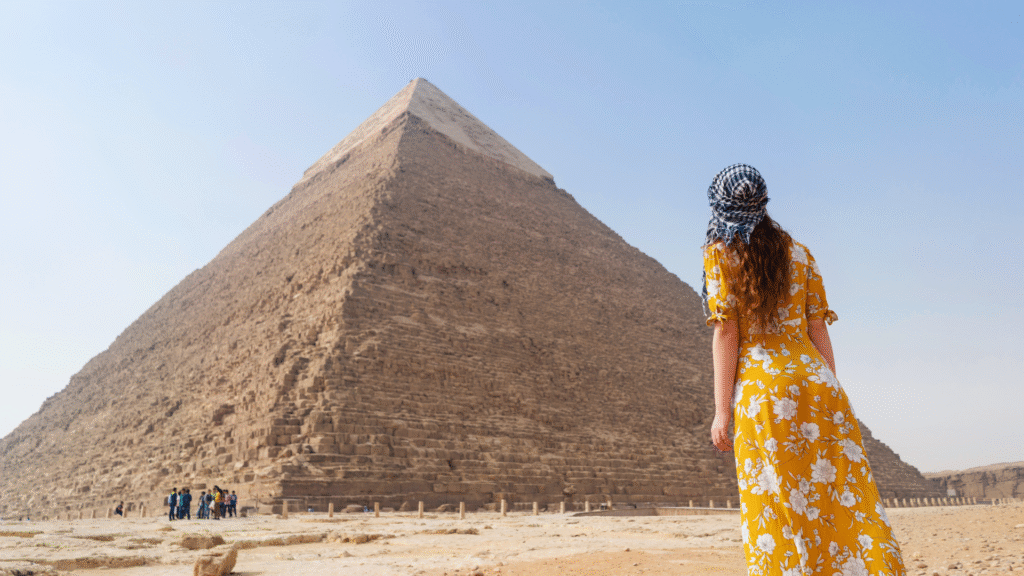
Traveling with a deeper sense of curiosity transforms the way individuals experience new places and cultures. By approaching travel with an open mind and a willingness to explore beyond the surface, travelers can uncover hidden gems and forge meaningful connections with local communities. This mindset not only enhances personal growth but also enriches the journey itself, making every trip memorable.
Curiosity encourages engagement with environments and people, prompting questions that lead to authentic interactions. Travelers who actively seek to learn about the history, traditions, and nuances of their destinations will often find themselves rewarded with insights that guide their experiences. Embracing this approach allows for a more immersive travel experience, paving the way for unexpected adventures.
Ultimately, adopting a curious perspective leads to a more fulfilling travel experience. This journey goes beyond visiting landmarks; it delves into the richness of human experience, encouraging travelers to connect with the world in profound ways. As individuals embark on their next adventure, nurturing that sense of curiosity can open doors to a wealth of knowledge and enjoyment.
Cultivating Curiosity for Meaningful Travel
Traveling with curiosity opens doors to unique experiences and personal growth. Engaging deeply with new environments fosters self-discovery and enhances problem-solving skills. Here are key approaches to enrich travel experiences.
Embracing a Growth Mindset on the Road
A growth mindset empowers travelers to view challenges as learning opportunities. Instead of feeling daunted by language barriers or unfamiliar customs, they can embrace these moments for exploration.
Travelers can practice mindfulness by reflecting on their experiences. Journaling or discussing new encounters can deepen understanding.
Additionally, seeking out local workshops or classes allows travelers to gain skills and insights. Engaging with local experts transforms ordinary visits into immersive learning experiences.
Asking Better Questions About People and Places
Curiosity is fueled by asking thoughtful questions. Instead of simple inquiries, travelers can explore more profound subjects. For example, instead of “Where is a good restaurant?” they might ask “What is the story behind this dish?”
Engaging locals through conversations about their lives provides valuable perspectives. Understanding cultural significance offers insights that guide one’s travel journey.
Travelers can also study the history of the places they visit in advance. Knowledge about historical events and cultural practices enriches their interaction with the environment.
Being Open to Unexpected Opportunities
Serendipity often leads to unforgettable experiences. Being flexible with itineraries allows travelers to explore spontaneous invitations. For instance, joining a local festivity or a community gathering can create genuine connections. Such experiences often lead to unexpected friendships and stories.
Travelers should also be willing to explore less mainstream attractions. Visiting off-the-beaten-path locations can yield unique insights and deepen cultural appreciation. Cultivating curiosity transforms travel from mere exploration into a meaningful journey. Engaging with new experiences paves the way for personal growth and discovery.
Immersive Exploration of Cultures and Histories
Traveling with curiosity involves a deep engagement with local cultures and histories. By connecting authentically, individuals can foster empathy and compassion while gaining insight into the rich diversity that shapes human experiences.
Connecting with Local Cultures Authentically
To connect authentically with local cultures, travelers should prioritize genuine interactions. Engaging with locals in markets, cafes, or during festivals creates opportunities for meaningful conversations. Visiting family-run establishments instead of major chains often leads to richer experiences.
It is beneficial to ask questions about cultural practices, traditions, and everyday life. This not only displays interest but also opens doors to personal stories and insights that may not be offered in guidebooks. Utilizing the local language, even in basic terms, can also enhance connections.
Learning from Cultural Diversity and Heritage
Cultural exploration requires an appreciation for diversity and heritage. Museums play a crucial role by showcasing artifacts and artworks that illuminate a culture’s history. Participating in workshops, such as traditional crafts or cooking classes, allows travelers to gain hands-on experience and better understand local customs.
Visiting ancient temples provides a glimpse into a culture’s spiritual history and architectural achievements. These sites often house stories that reflect the values and beliefs of a society. Engaging with knowledgeable local guides can deepen this understanding, revealing the context behind significant events and practices.
Participating in Community Traditions
Travelers can further enrich their experience by actively participating in community traditions. Joining local festivals or seasonal celebrations enables them to witness and engage with age-old customs. Events like harvest festivals or religious ceremonies offer valuable insights into how communities unite and celebrate their shared history.
Additionally, volunteering for community projects fosters a sense of connection and purpose. These interactions encourage travelers to contribute to preserving local cultures while deepening their respect for diversity. Engaging in such activities builds lasting memories and promotes cultural exchange that benefits both visitors and hosts.
Discovering Natural Wonders with a Curious Lens
Travelers can immerse themselves in the beauty of nature by adopting a curious lens. This perspective enhances their appreciation of landscapes, wildlife, and the impacts of climate change, fostering a deeper connection to the environment.
Seeking Extraordinary Landscapes
Natural wonders like Iceland’s glaciers and Peru’s mountains captivate travelers. These locations offer unique terrains shaped by powerful geological forces.
Iceland’s glaciers, for instance, provide insight into climate dynamics. Observing these majestic ice formations highlights their role in the ecosystem and the urgent need for climate action.
Machu Picchu, nestled in the Andes, showcases stunning views and ancient architecture. Exploring its surroundings encourages visitors to reflect on the relationship between humans and the natural world. Such landscapes inspire curiosity and a longing to understand the forces that shape them.
Observing Biodiversity and Environmental Connections
Biodiversity presents another layer of exploration. Ecosystems containing diverse plant and animal species are essential for resilience. Travelers focused on sustainability can learn how these species interact and coexist.
Visiting locations like Peru allows individuals to observe varied ecosystems, from tropical rainforests to high-altitude environments. Recognizing interconnectedness can spark questions about conservation and environmental stewardship.
In Iceland, the presence of unique species adapted to harsh environments underscores nature’s adaptability. Travelers can appreciate how each organism contributes to the balance of the ecosystem, reinforcing their curiosity about environmental challenges and solutions.
Adapting to Natural Challenges
Experiencing natural wonders requires adaptation to challenges posed by the environment. Travelers often face unpredictable weather in these stunning locations.
In Iceland, one must prepare for sudden changes, like storms or volcanic eruptions. Understanding these phenomena can enhance the travel experience, prompting awareness of Earth’s volatility.
In Peru, the altitude at Machu Picchu can be challenging for some. Acclimatizing and respecting one’s limits offers an opportunity to engage with nature more thoughtfully. Through these experiences, travelers develop resilience and learn to appreciate the beauty of overcoming difficulties in extraordinary environments.
Transformative Experiences and Lasting Impact
Travel can instigate profound change, leading to personal growth and lasting memories. Engaging in adventures not only enhances one’s problem-solving skills but also fosters self-discovery and broadens perspectives.
Building Empathy and Broadening Perspectives
Travel can expose individuals to diverse cultures and lifestyles, which cultivates empathy. By interacting with locals, travelers often gain insights into different societal issues. This awareness can challenge preconceived notions, prompting individuals to reflect on their beliefs and biases.
For example, a traveler may visit a community that relies on sustainable living practices. This experience might inspire them to adopt environmentally friendly habits back home. Such transformative moments highlight the interconnectedness of humanity and encourage individuals to appreciate differences.
Adventurous Learning and Personal Growth
Engaging in adventurous activities, like skydiving or hiking in unfamiliar terrains, can significantly contribute to personal growth. These experiences push individuals out of their comfort zones, enhancing their willingness to take risks.
Adventurous learning also sharpens problem-solving skills. Faced with unexpected challenges, travelers must adapt and find creative solutions. This adaptability can translate into everyday life, where they apply newfound resilience and confidence in various situations.
Making Memories Through Meaningful Encounters
Meaningful encounters during travel create lasting memories that shape one’s identity. Sharing stories with fellow travelers or locals can form connections that endure long after the trip ends.
Participating in community events or volunteer opportunities can deepen these connections. Such experiences allow travelers to engage with others on a personal level, often leading to transformative insights about themselves and the world. These memories become anchors in one’s life, often influencing personal values and choices long after the journey concludes.